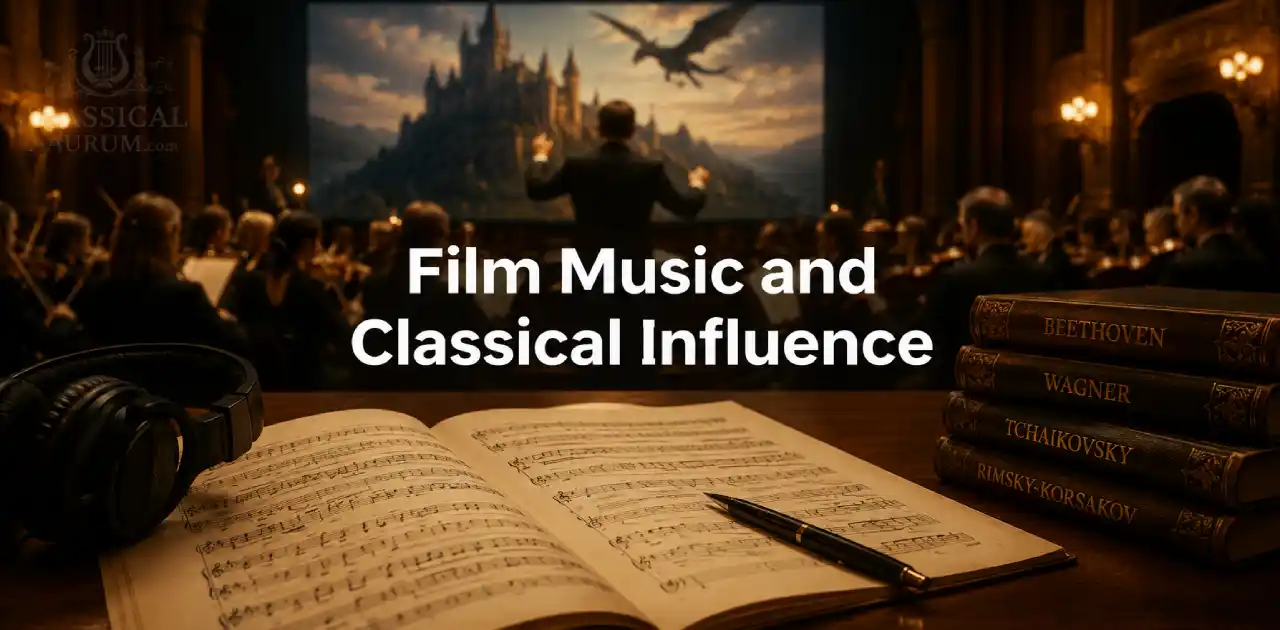
Film Music and Classical Influence
The Enduring Connection Between Film Music and Classical Influence
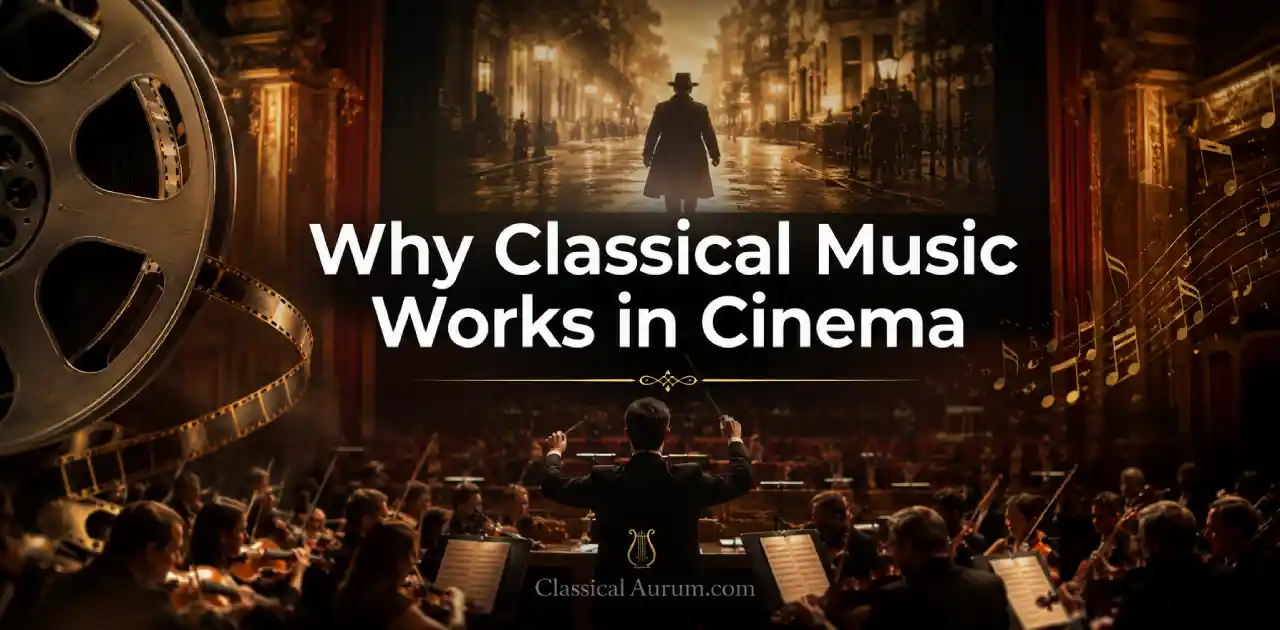
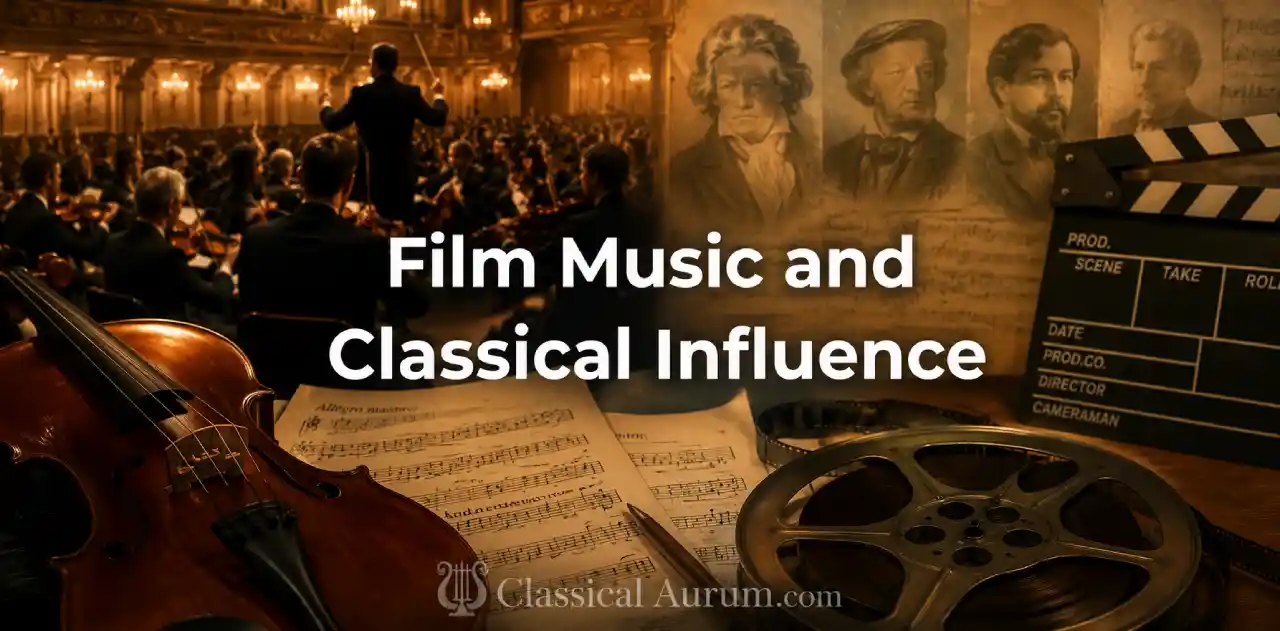
Film music has become one of the most recognizable forms of orchestral composition in the modern world. Millions of listeners encounter symphonic music every day through movies without realizing how deeply those soundtracks are rooted in the traditions of classical music. Behind unforgettable cinematic moments lies a musical language developed over centuries by composers who transformed harmony, orchestration, rhythm, and dramatic expression.
The relationship between classical music and film scoring is neither accidental nor superficial. Early film composers were often trained in conservatories where they studied the works of Bach, Mozart, Beethoven, Wagner, Mahler, Debussy, Stravinsky, and countless others. Their education shaped the way they approached storytelling, allowing them to translate centuries of musical innovation into a new artistic medium.
Today, the influence of classical music continues to define many of the world’s greatest film scores. Whether audiences are watching epic adventures, emotional dramas, fantasy sagas, or science fiction masterpieces, they are often hearing musical ideas whose origins stretch back hundreds of years.
The Birth of Symphonic Film Music
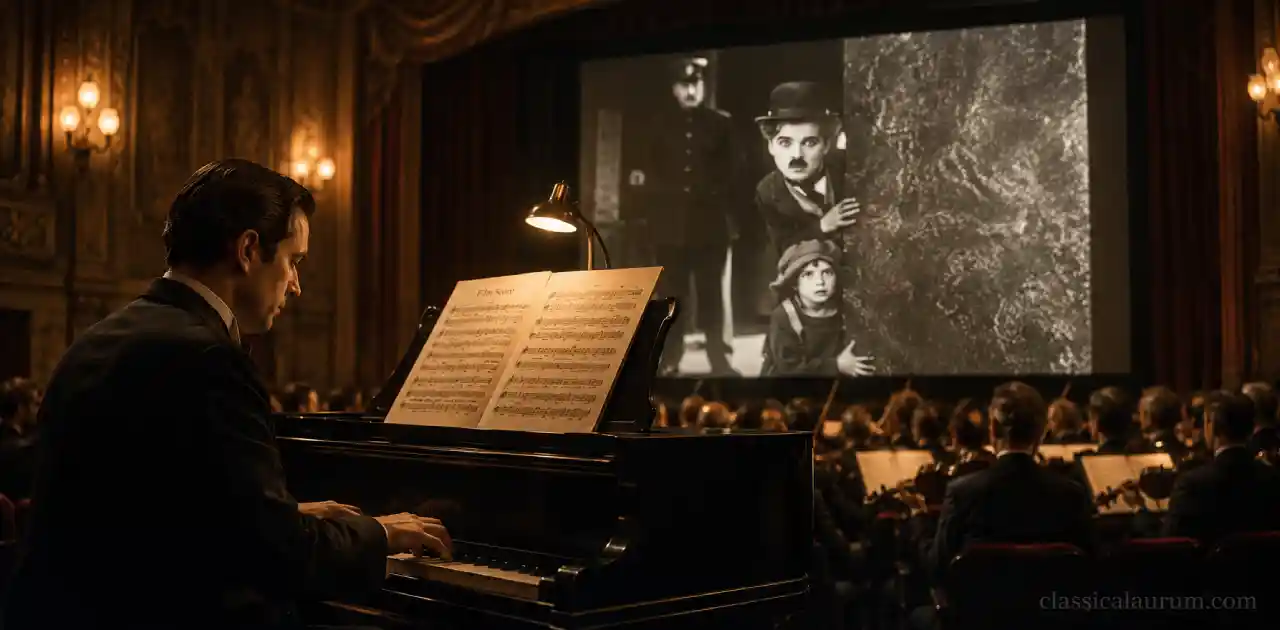
When silent films first appeared, theaters frequently employed pianists or orchestras to accompany the images. Musicians selected pieces from the classical repertoire because those compositions already carried recognizable emotional qualities. A tragic scene could be supported by Beethoven or Tchaikovsky, while comic moments might feature Rossini or Offenbach.
As sound technology evolved during the late 1920s, original film scores became increasingly important. Hollywood quickly discovered that audiences responded powerfully to rich orchestral music.
Many early film composers had emigrated from Europe, bringing with them the traditions of late Romantic symphonic writing. Figures such as Max Steiner, Erich Wolfgang Korngold, and Franz Waxman established the orchestral vocabulary that would define cinema for decades.
Rather than abandoning classical principles, these composers adapted them for a visual narrative. Their scores maintained sophisticated harmony, thematic development, and complex orchestration while serving the emotional needs of each film.
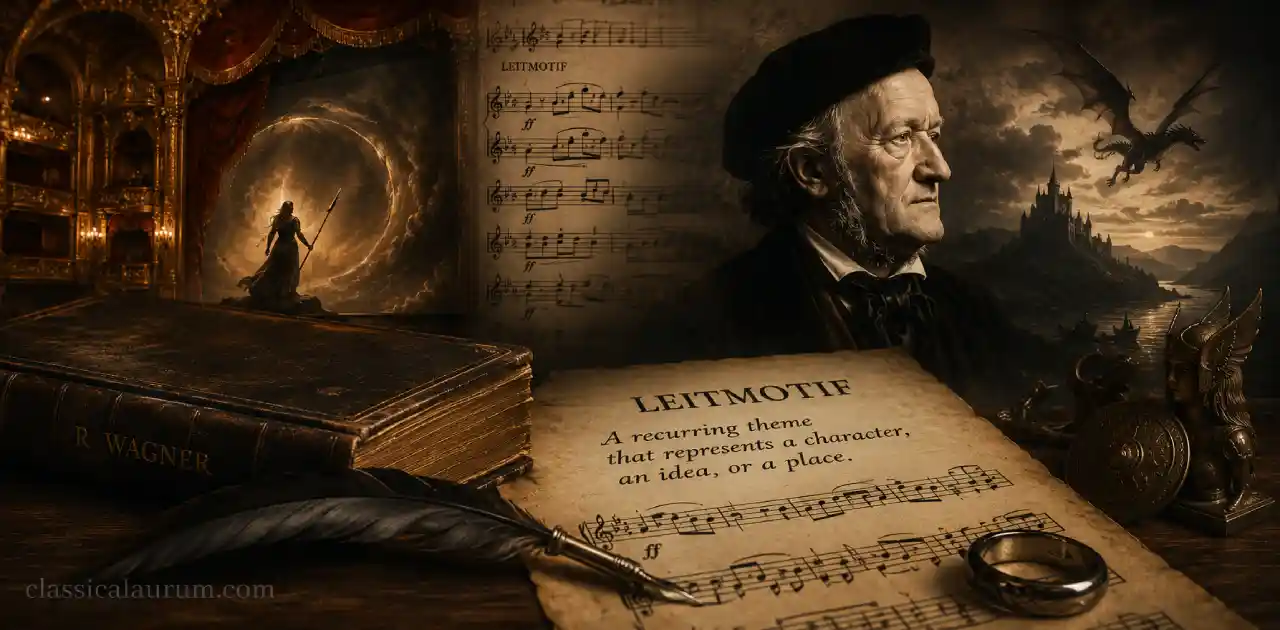
Leitmotifs: Wagner’s Lasting Legacy
One of the most influential concepts inherited from classical music is the leitmotif.
Originally developed extensively by Richard Wagner in his operas, a leitmotif is a recurring musical theme associated with a character, place, object, or idea. Every time that element appears, the audience subconsciously recognizes the corresponding musical identity.
Film composers embraced this technique because it provides remarkable narrative clarity. Rather than relying solely on dialogue, music reminds viewers of emotional connections and hidden relationships.
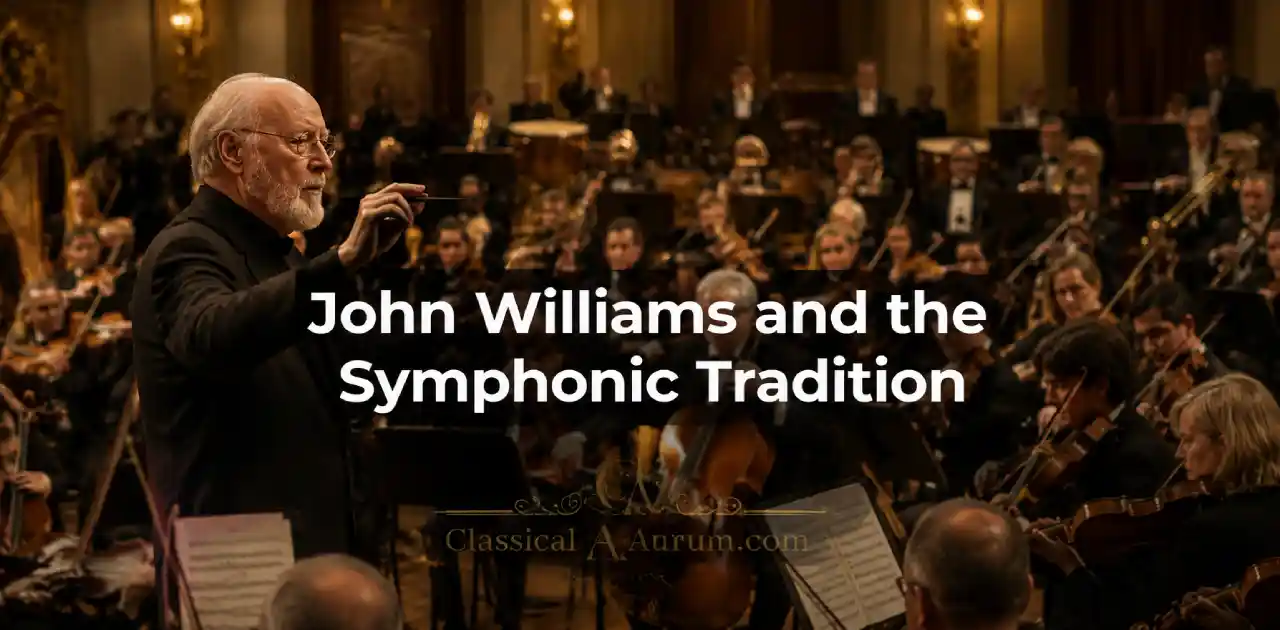
John Williams famously employed Wagnerian leitmotifs throughout the Star Wars saga. Each major character possesses distinctive musical material that evolves as the story progresses. Similar techniques appear throughout The Lord of the Rings, Harry Potter, Indiana Jones, and countless other film franchises.
The success of leitmotifs demonstrates how nineteenth-century operatic innovation continues to shape twenty-first-century cinema.
The Symphony Orchestra as the Voice of Cinema
The modern film orchestra closely resembles the traditional symphony orchestra developed during the nineteenth century.
Strings remain the emotional foundation of most cinematic scores. Violins create soaring melodies, violas add warmth, cellos provide lyrical depth, and double basses establish dramatic weight.
Woodwinds introduce color and personality. Flutes often represent innocence, clarinets convey intimacy, oboes suggest melancholy, while bassoons can create humor or mystery.
Brass instruments supply grandeur, heroism, and power. Trumpets announce triumph, horns evoke nobility, trombones intensify conflict, and tubas reinforce dramatic climaxes.
Percussion expands emotional intensity through timpani, cymbals, bass drums, and countless auxiliary instruments. Modern composers frequently combine traditional percussion with electronic sounds while preserving classical orchestral balance.
This orchestral palette remains one of the greatest inheritances from classical music.
Harmony and Emotional Storytelling
Classical harmony provides the emotional architecture of film music.
Major keys traditionally express optimism, celebration, or victory. Minor keys often communicate sadness, uncertainty, or introspection. Chromatic harmony increases tension, while unexpected modulations create surprise or emotional transformation.
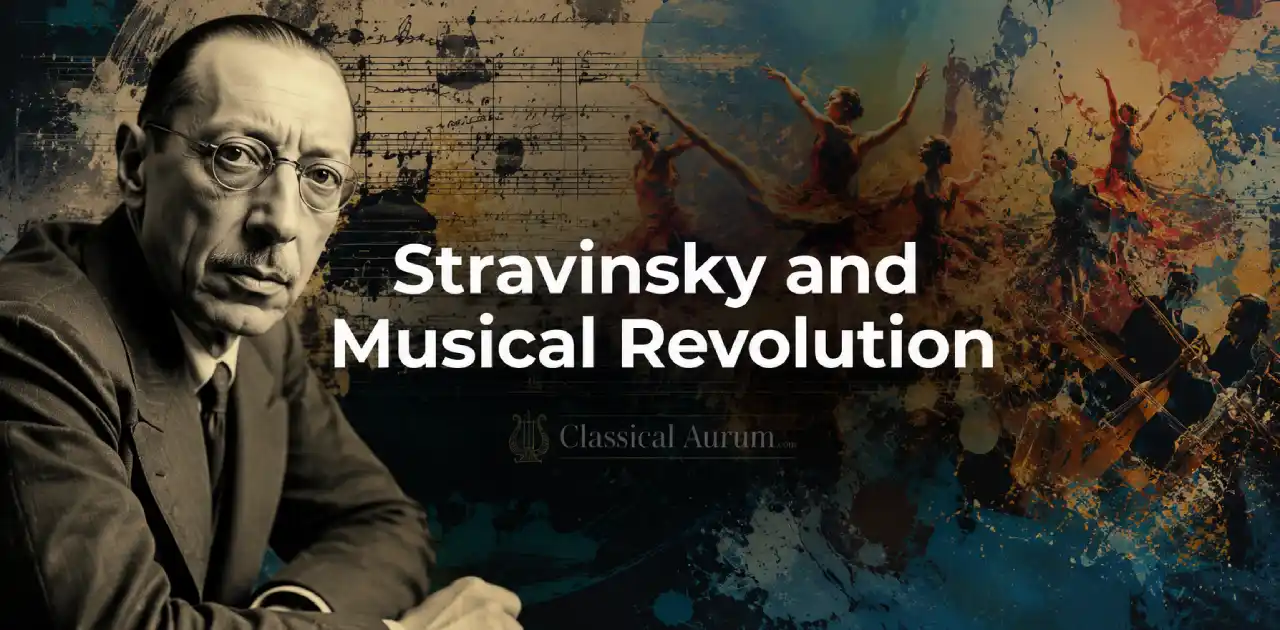
Romantic composers greatly expanded harmonic possibilities during the nineteenth century. Wagner introduced daring chromaticism. Mahler enlarged emotional contrasts. Debussy explored impressionistic colors. Stravinsky revolutionized rhythm and dissonance.
Modern film composers draw upon all these innovations.
A suspense sequence may feature unresolved harmonies inspired by twentieth-century modernism. A romantic scene often recalls the lush harmonic language of late Romantic composers. Fantasy films frequently employ modal writing that echoes medieval or Renaissance traditions.
These harmonic choices shape emotional perception even when audiences remain unaware of the underlying musical techniques.
Counterpoint, Texture, and Musical Complexity
Film music often appears deceptively simple, yet many scores contain sophisticated contrapuntal writing inherited from Baroque masters.
Johann Sebastian Bach demonstrated how independent melodic lines could interact without losing clarity. This principle remains valuable for film composers who must support dialogue while maintaining musical interest.
Layered textures allow different emotional elements to coexist. A melody may express hope while lower voices introduce subtle anxiety. Rhythmic ostinatos generate momentum beneath lyrical themes. Brass fanfares can coexist with delicate string figures, creating rich musical landscapes.
These compositional techniques enable film scores to communicate multiple emotional dimensions simultaneously.
The audience experiences this complexity intuitively, even if individual musical devices remain unnoticed.
Classical Composers Who Inspired Hollywood
Numerous classical composers have profoundly influenced cinematic music.
Richard Wagner contributed dramatic continuity, orchestral richness, and leitmotif technique.
Ludwig van Beethoven demonstrated how music could embody heroic struggle and psychological transformation.
Gustav Mahler expanded orchestral color and emotional scale, inspiring epic cinematic writing.
Claude Debussy introduced impressionistic harmony that influenced fantasy, romance, and dream sequences.
Igor Stravinsky revolutionized rhythm, orchestral color, and dramatic intensity, particularly in action music.
Sergei Prokofiev successfully composed for both concert halls and films, demonstrating how sophisticated orchestral writing could serve visual storytelling.
Dmitri Shostakovich also bridged the worlds of concert music and cinema, showing that artistic depth and narrative effectiveness could coexist.
These composers collectively established many of the musical languages that continue to shape contemporary film scores.
Modern Film Composers and Classical Tradition
Although contemporary technology has transformed music production, many leading film composers continue to rely upon classical foundations.
John Williams remains perhaps the most celebrated example. His orchestral mastery reflects deep familiarity with Romantic symphonic traditions.
Howard Shore constructed the musical world of The Lord of the Rings using thematic development reminiscent of Wagnerian opera.
James Horner frequently blended Celtic influences with late Romantic orchestration, creating emotionally memorable scores.
Alexandre Desplat combines refined orchestration with subtle harmonic sophistication inspired by French classical traditions.
Thomas Newman explores innovative textures while maintaining careful orchestral craftsmanship.
Hans Zimmer introduced new approaches by integrating electronics with traditional orchestras. Even so, many of his harmonic structures and orchestral techniques remain deeply connected to classical principles.
Their diverse styles illustrate how classical heritage continues evolving rather than remaining fixed in history.
Why Film Music Introduces Millions to Classical Music
For many listeners, film soundtracks become the first gateway into orchestral music.
A memorable cinematic score often encourages audiences to explore the composers who inspired it. Someone captivated by Star Wars may eventually discover Wagner. Admirers of fantasy scores frequently develop an appreciation for Mahler or Sibelius. Lovers of impressionistic film music often become interested in Debussy or Ravel.
This educational pathway has enormous cultural significance.
Film music demonstrates that orchestral composition remains vibrant and emotionally relevant. Rather than existing only in concert halls, classical traditions continue reaching global audiences through contemporary storytelling.
Streaming platforms, concert performances of film scores, and soundtrack recordings have further strengthened this relationship. Symphony orchestras worldwide regularly perform complete film scores live alongside screenings, attracting new generations of concertgoers.
Cinema therefore functions not only as entertainment but also as a bridge connecting modern audiences with centuries of musical heritage.
The Future of Classical Influence in Film Music
Artificial intelligence, virtual instruments, and digital production continue changing the technical process of composing film music. Nevertheless, the artistic foundations established by classical composers remain remarkably resilient.
Great film scores succeed because they communicate universal human emotions through carefully structured musical language. Melody, harmony, orchestration, rhythm, thematic development, and dramatic pacing remain as important today as they were centuries ago.
Future composers will undoubtedly continue experimenting with new technologies and global musical influences. Yet the enduring lessons of Bach, Beethoven, Wagner, Mahler, Debussy, Stravinsky, and countless other classical masters will remain essential components of cinematic storytelling.
Film music demonstrates that classical traditions are not relics of the past. They are living artistic resources that continue inspiring creativity across every generation.
For listeners exploring both concert music and cinema, understanding this relationship reveals a deeper appreciation of how music shapes emotion, memory, and narrative. The enduring dialogue between classical composition and film scoring ensures that the symphonic tradition will continue resonating with audiences around the world, proving that the language of classical music remains timeless in the ever-evolving art of cinema.

About the Author
Juan Daniel Cabrio
Argentine Classical Guitarist · Researcher · Educator
Juan Daniel Cabrio is an Argentine classical guitarist, researcher and educator. Founder of Classical Aurum, he shares educational and cultural content about classical music, composers, instruments, repertoire, music history and performance practice.
View full biographyExplore more Classical Aurum articles related to this topic.