Film Music and Classical Influence
Film Music and Classical Influence
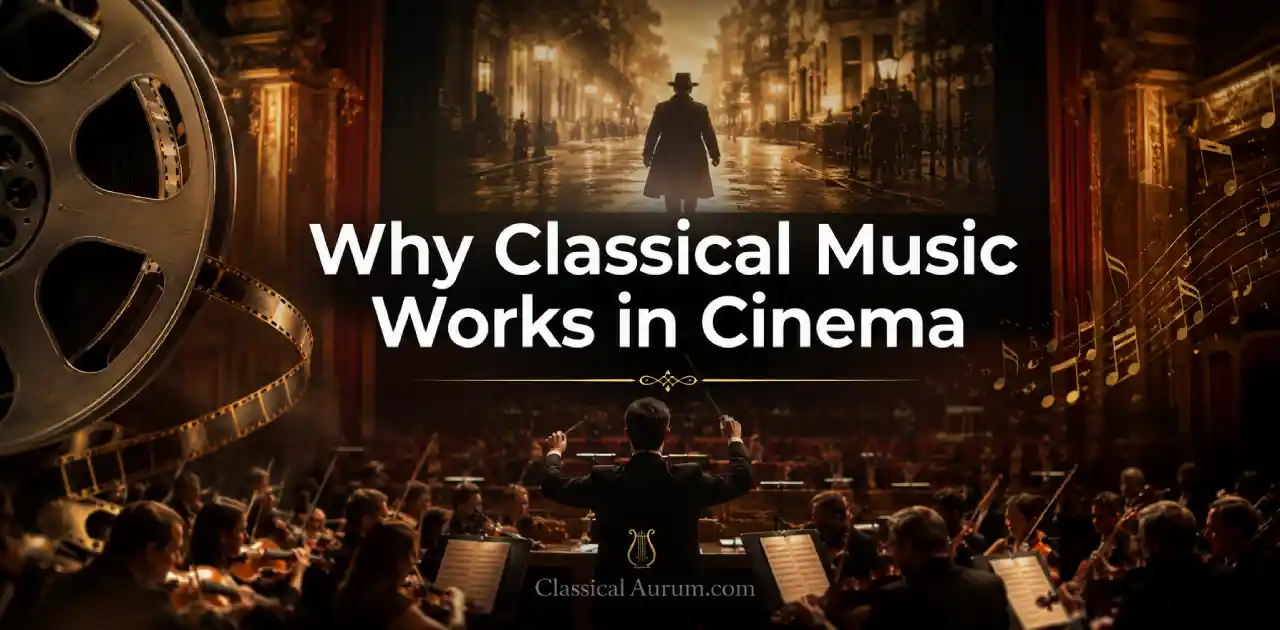
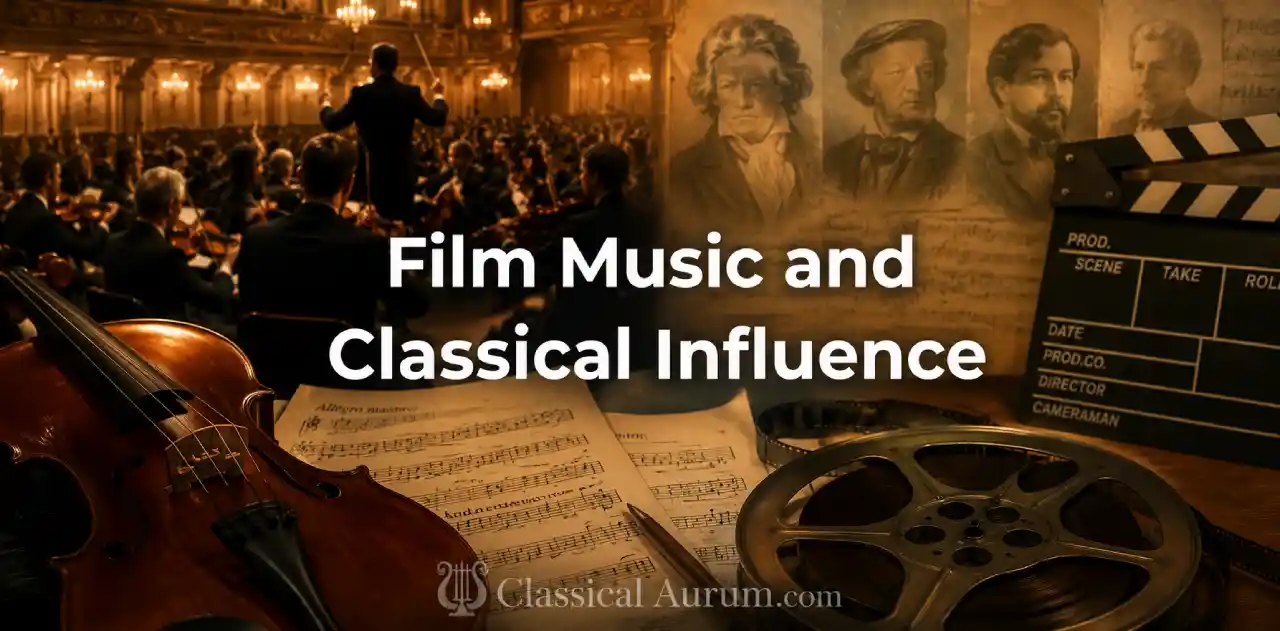
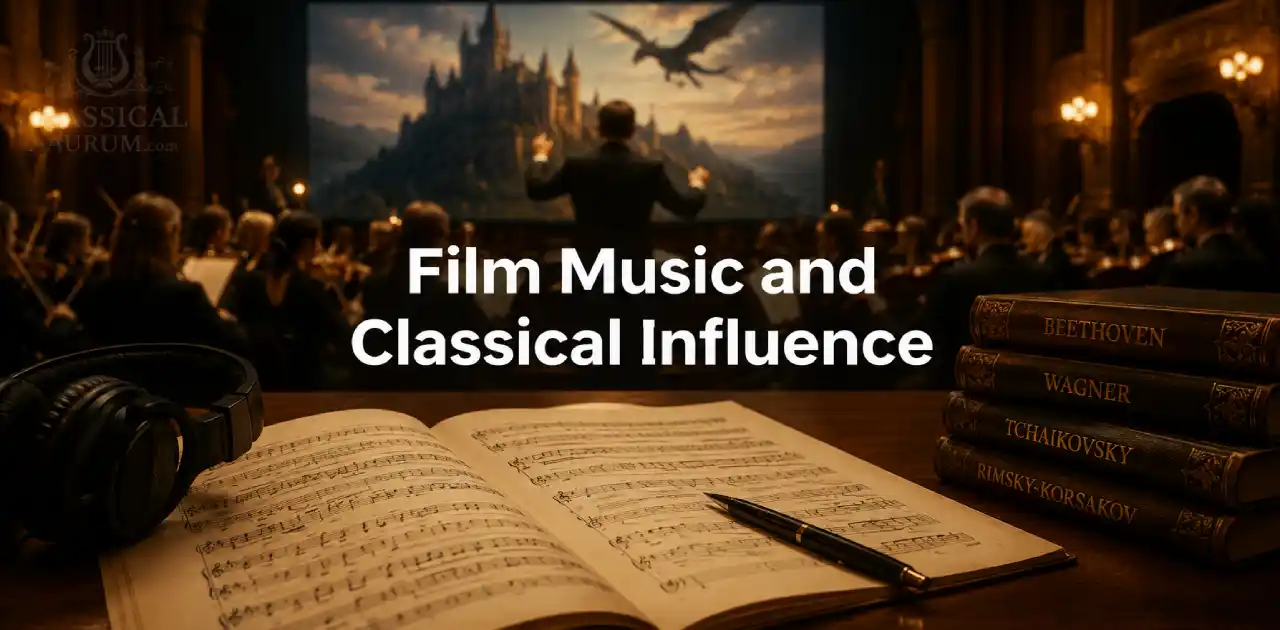
Cinema has become one of the most influential artistic expressions of the modern era, and music has always been central to its emotional power. While audiences often remember unforgettable melodies from blockbuster films, many may not realize that these soundtracks are deeply rooted in the traditions of classical music. From orchestration and harmony to thematic development and dramatic storytelling, the language of the concert hall has profoundly shaped the music heard in theaters around the world.
The relationship between film music and classical influence is not accidental. During the early decades of cinema, many composers received formal classical training and naturally applied centuries of musical knowledge to the new medium. As motion pictures evolved, symphonic writing became the standard for epic storytelling, allowing orchestras to express emotions that dialogue alone could never convey.
Today, film scores continue to preserve and reinvent classical traditions. Modern composers combine orchestral techniques with electronic sounds, world instruments, and innovative production methods while maintaining the structural principles established by generations of classical masters. Understanding these connections offers listeners a deeper appreciation of both cinema and classical music.
The Classical Roots of Film Music
When silent films dominated the early twentieth century, music served a practical and artistic purpose. Pianists, organists, and eventually orchestras accompanied screenings to enhance dramatic moments, create atmosphere, and guide audience emotions. Since most professional musicians were trained in the European classical tradition, they naturally relied on works by composers such as Mozart, Beethoven, Schubert, Tchaikovsky, and Wagner.
Related: Music as a Reflection of the Human Spirit
As filmmaking became more sophisticated, directors sought original scores capable of matching increasingly complex narratives. This demand attracted composers with strong backgrounds in harmony, counterpoint, orchestration, and symphonic composition. Their education provided the perfect foundation for creating music that could evolve alongside characters and stories.
The influence of the Romantic era proved especially significant. Nineteenth-century composers emphasized emotional expression, colorful orchestration, and dramatic contrasts—qualities ideally suited to cinema. Their musical language became the blueprint for countless film scores that followed.
Related: Classical Music and Philosophy
Rather than simply borrowing melodies, film composers absorbed the structural thinking of classical music. They learned how to build tension through harmonic progression, shape long musical arcs, and balance orchestral colors to support visual storytelling. These techniques remain fundamental in contemporary film composition.
Leitmotifs: Giving Characters a Musical Identity
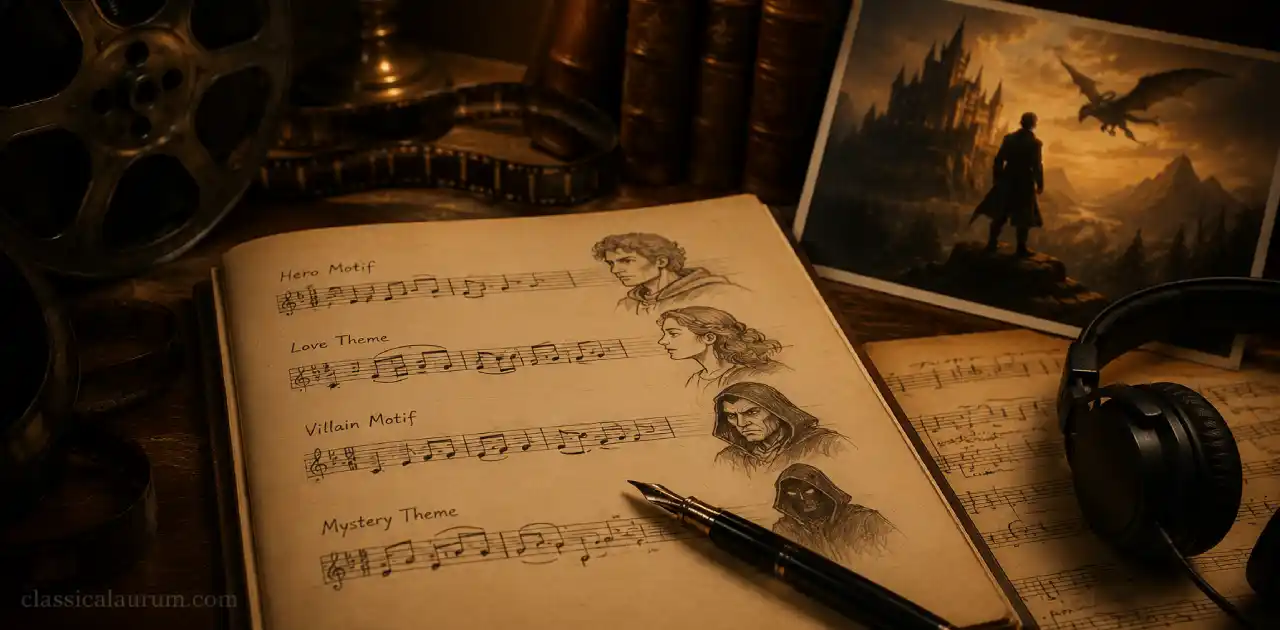
One of the most enduring contributions of classical music to cinema is the leitmotif. Popularized by Richard Wagner in his operas, a leitmotif is a recurring musical idea associated with a specific character, object, location, or emotional concept.
Film composers quickly recognized the dramatic potential of this technique. Instead of relying solely on dialogue or visual cues, they could remind audiences of important narrative elements through recognizable musical themes. Even subtle variations in harmony, tempo, or orchestration could reveal a character’s transformation throughout the story.
Some of the most memorable soundtracks in film history rely heavily on leitmotifs. Heroic themes, mysterious motifs, romantic melodies, and villainous signatures become instantly recognizable after only a few notes. As the narrative develops, these themes evolve alongside the characters, creating emotional continuity across an entire film or even multiple installments of a series.
This approach reflects classical compositional thinking, where themes are rarely static. Just as Beethoven transformed simple motives into monumental symphonic movements, film composers reshape musical ideas to mirror changing dramatic circumstances.
The result is music that tells its own story, often communicating emotions before audiences consciously recognize what is happening on screen.
The Symphony Orchestra as Cinema’s Emotional Voice
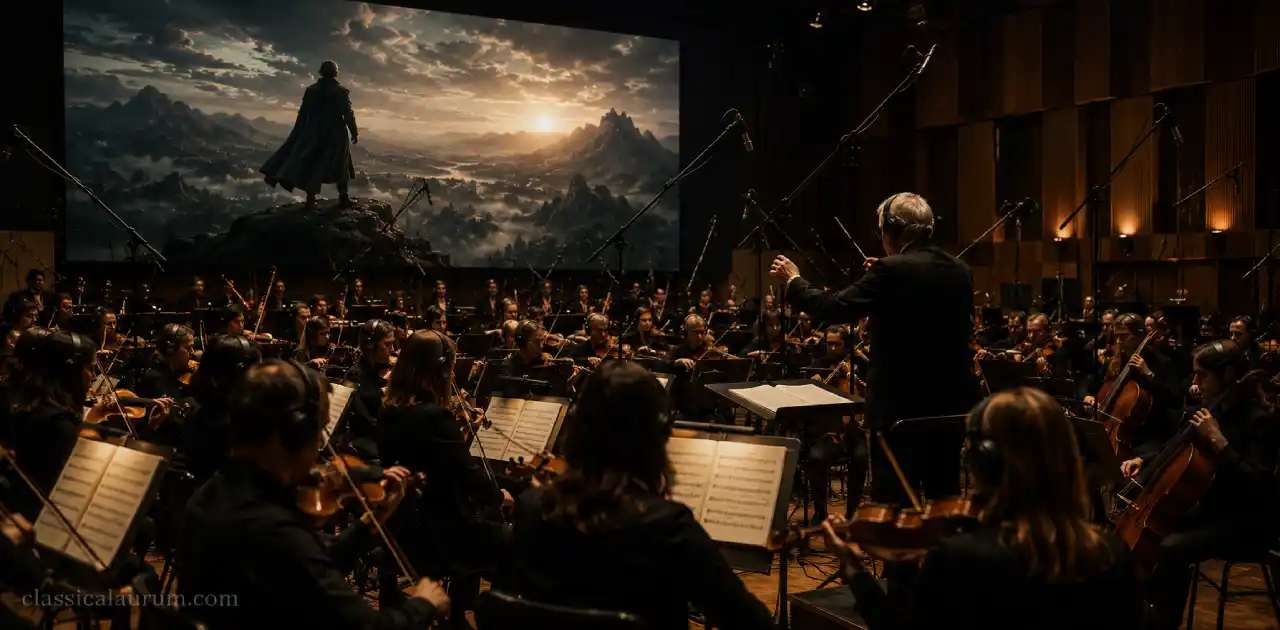
The symphony orchestra remains the most powerful instrument available to film composers. Its enormous range of colors, dynamics, and expressive possibilities allows music to reinforce nearly every emotional situation imaginable.
Strings often convey warmth, intimacy, melancholy, or suspense. Woodwinds introduce lyricism, innocence, or mystery. Brass instruments provide grandeur, heroism, and triumph, while percussion creates excitement, danger, or dramatic impact. These orchestral roles developed over centuries within classical music before becoming essential elements of cinematic storytelling.
Large orchestras also offer remarkable flexibility. A single melody can appear as a delicate flute solo, expand into lush string harmonies, and finally emerge as a majestic brass statement accompanied by the full ensemble. This continuous transformation mirrors the dramatic progression of a film and keeps audiences emotionally engaged.
Modern recording technology has expanded orchestral possibilities even further, but the underlying principles remain deeply classical. Balance, texture, counterpoint, and orchestration continue to follow concepts refined by generations of composers from Haydn and Mozart through Mahler and beyond.
The enduring popularity of symphonic film scores demonstrates that audiences continue to respond to the expressive richness of orchestral music. Although electronic instruments now play an important role in many productions, the orchestra remains the heart of cinematic musical storytelling.
Harmony, Emotion, and the Language of Classical Music
Harmony is one of the most powerful tools inherited from the classical tradition. Long before the invention of cinema, composers discovered that specific chord progressions, tonal relationships, and harmonic tensions could shape a listener’s emotional experience. Film composers continue to rely on these principles to create suspense, joy, sorrow, triumph, and uncertainty.
Major tonalities often evoke optimism and resolution, while minor keys frequently suggest introspection, tragedy, or mystery. Modulation—the movement from one key to another—can signal a dramatic turning point, a shift in perspective, or the arrival of a new emotional chapter. These techniques were refined over centuries by composers such as Mozart, Beethoven, Brahms, and Tchaikovsky, and they remain central to modern film scoring.
Counterpoint also plays an important role. Multiple independent musical lines can coexist without losing clarity, enriching the emotional texture of a scene. Rather than simply accompanying the image, music develops its own narrative, supporting the story through subtle musical dialogue.
Even audiences without formal musical training instinctively respond to these harmonic choices. This universal emotional language explains why classical principles continue to resonate so effectively in contemporary cinema.
Modern Film Composers and the Classical Legacy
Many of today’s most celebrated film composers openly acknowledge their debt to the classical tradition. Their scores combine modern production techniques with orchestral writing that reflects centuries of musical evolution.
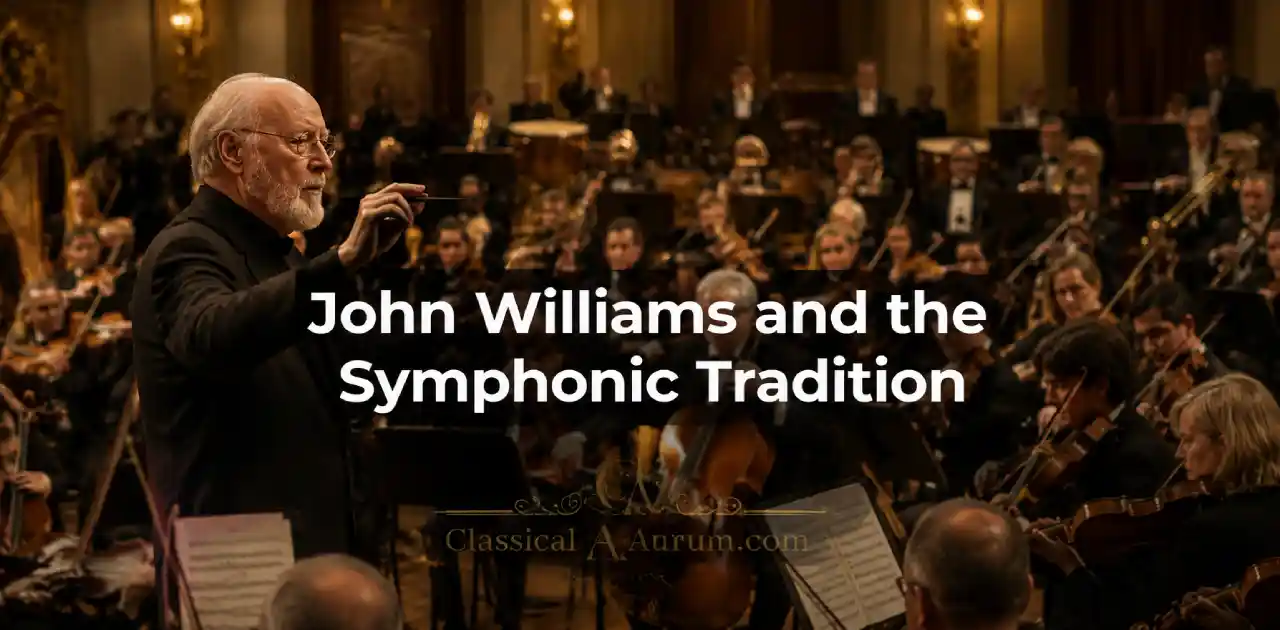
John Williams is perhaps the clearest example. His music demonstrates sophisticated orchestration, memorable thematic development, and a deep understanding of late Romantic symphonic language. His scores for fantasy, science fiction, and adventure films reveal influences that extend from Wagner and Holst to Korngold and Prokofiev.
Hans Zimmer approaches orchestral writing differently, often blending large ensembles with electronic textures and experimental sound design. Yet beneath these innovations lies a foundation built on classical harmony, thematic development, and orchestral color.
Other distinguished composers—including Howard Shore, Alexandre Desplat, James Newton Howard, Thomas Newman, Patrick Doyle, and Rachel Portman—continue to demonstrate how classical craftsmanship can coexist with contemporary musical aesthetics.
Each composer develops a unique voice, but they all benefit from techniques established long before the first motion picture was ever created. Their work confirms that classical music remains not merely a historical influence but an active creative force.
Why Classical Influence Continues to Shape the Future of Film Music
Despite rapid technological advances, artificial intelligence, digital production tools, and virtual orchestras, the artistic foundations of film music remain remarkably consistent. Technology has expanded the palette available to composers, but it has not replaced the expressive power of classical musical thinking.
Modern audiences continue to respond to carefully developed themes, rich orchestration, and emotionally meaningful harmonic progressions because these musical elements communicate directly with human perception. They help viewers understand characters, anticipate dramatic events, and remember stories long after the final scene.
Film music has also introduced millions of listeners to the sound of the symphony orchestra. For many people, a cinematic soundtrack becomes the gateway to discovering Beethoven, Mahler, Debussy, or Stravinsky. This unexpected connection keeps classical music relevant for new generations and demonstrates its extraordinary capacity for renewal.
As cinema continues to evolve, composers will undoubtedly experiment with new technologies and musical languages. Nevertheless, the influence of classical music is unlikely to disappear. Instead, it will continue to provide the structural, emotional, and artistic framework upon which future film scores are built.
The relationship between film music and classical influence illustrates one of the greatest achievements in the history of music: the ability of timeless compositional principles to adapt to entirely new artistic forms while preserving their expressive depth. Every memorable soundtrack, whether heard in a concert hall or a movie theater, reminds us that the traditions of classical music continue to inspire some of the most powerful emotional experiences in modern culture.
Conclusion
Film music represents one of the most successful continuations of the classical tradition in the twenty-first century. Although the medium has changed dramatically, the essential techniques of orchestration, thematic development, harmony, and dramatic structure remain deeply connected to centuries of musical heritage.
From the earliest silent films to today’s cinematic blockbusters, composers have relied on classical principles to transform moving images into unforgettable emotional experiences. The symphony orchestra, the use of leitmotifs, sophisticated harmonic language, and carefully crafted musical architecture continue to define the highest achievements in film scoring.
For listeners and musicians alike, exploring the relationship between film music and classical influence offers a richer understanding of both worlds. It reveals that the concert hall and the cinema are not separate artistic universes but complementary spaces where music continues to tell stories, shape emotions, and inspire audiences across generations.
At ClassicalAurum.com, we celebrate these enduring connections because they demonstrate that classical music is far from being confined to the past. It remains a vibrant, evolving language that continues to influence contemporary culture, enrich cinematic storytelling, and remind us that great music transcends time, technology, and artistic boundaries.

Explore more Classical Aurum articles related to this topic.