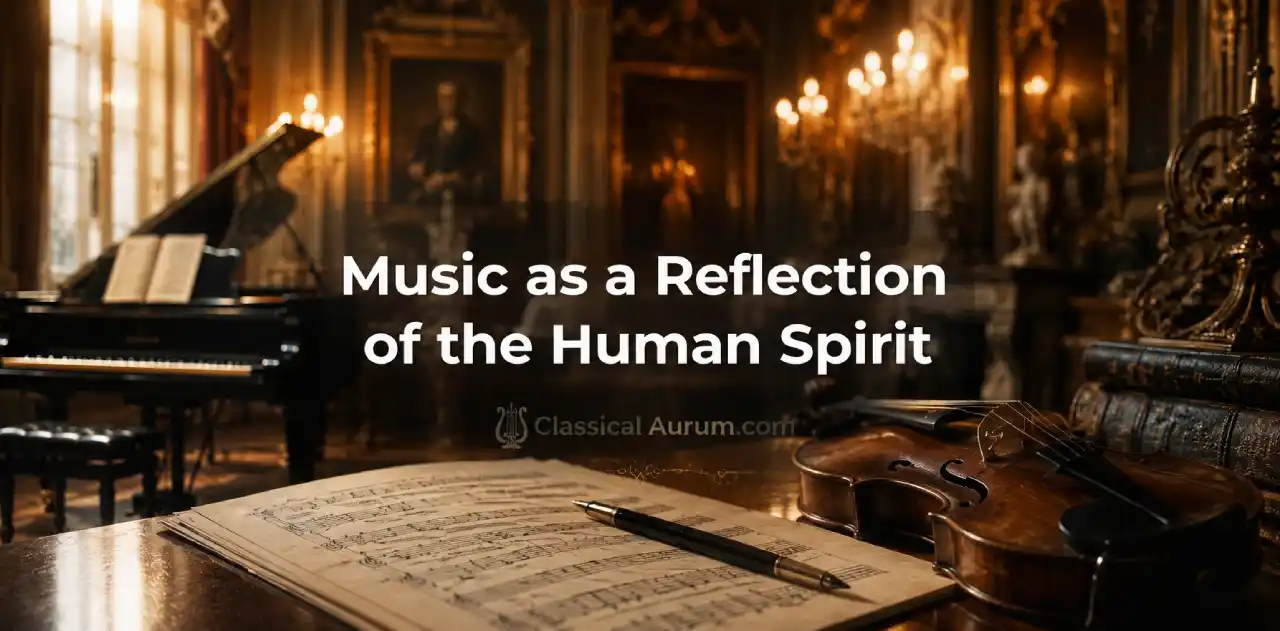
Music as a Reflection of the Human Spirit
Understanding Music Beyond Sound
Music has accompanied humanity since the earliest civilizations. Long before written language became widespread, communities used rhythm, melody, and song to communicate emotions, preserve traditions, and celebrate important events. Across centuries, music has remained one of the most powerful manifestations of human creativity.
At ClassicalAurum.com, music is viewed not merely as entertainment but as a profound reflection of the human spirit. Great musical works reveal the hopes, fears, dreams, and beliefs of individuals and societies. Through sound, humanity has found a universal language capable of transcending borders and generations.
Whether expressed through a simple folk melody or a monumental symphony, music embodies experiences that words alone often cannot capture.
Related: Classical Music and Philosophy
Music as an Emotional Language
One of the most remarkable qualities of music is its ability to communicate emotions directly. People from different cultures may not share the same language, yet they can recognize feelings of joy, sorrow, tension, or peace through music.
Composers throughout history have transformed personal experiences into musical masterpieces. Ludwig van Beethoven conveyed struggle and triumph. Frédéric Chopin expressed nostalgia and intimacy. Gustav Mahler explored existential questions through expansive symphonic landscapes.
Listeners often form deep emotional connections with music because they recognize aspects of their own lives within these sounds. A melody can evoke memories, awaken forgotten feelings, or provide comfort during difficult moments.
This emotional capacity explains why music plays such an important role in ceremonies, celebrations, and moments of remembrance. Human beings instinctively turn to music when emotions become too complex for ordinary speech.
The Relationship Between Music and Spirituality
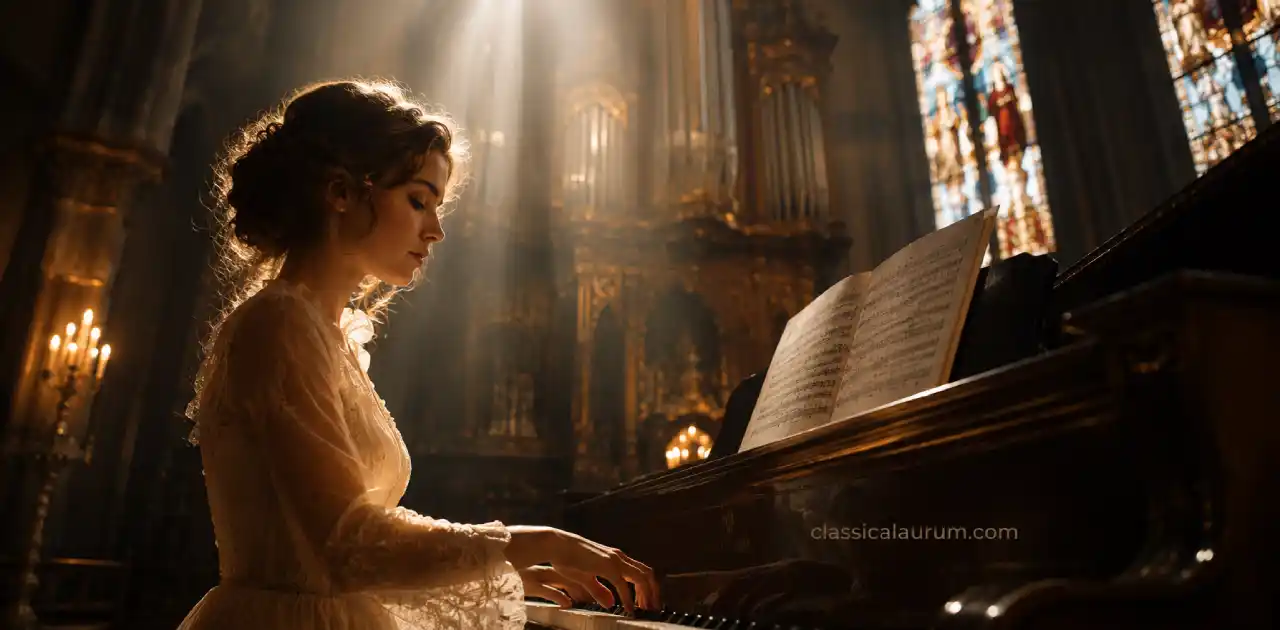
Throughout history, music has frequently been associated with spiritual and religious experiences. Ancient civilizations believed that music possessed divine origins. In many traditions, sound itself was considered a bridge between humanity and the sacred.
Gregorian chant, Renaissance sacred polyphony, and the monumental works of Johann Sebastian Bach demonstrate how music has been used to inspire contemplation and devotion. Bach famously viewed his compositions as acts of faith and believed that music should glorify God while uplifting humanity.
Even outside religious contexts, music often creates experiences that listeners describe as transcendent. A powerful performance can generate feelings of awe, unity, and inner peace. These reactions suggest that music touches dimensions of human existence that extend beyond rational thought.
The spiritual aspect of music helps explain why masterpieces created centuries ago continue to resonate with modern audiences.
Music and Cultural Identity
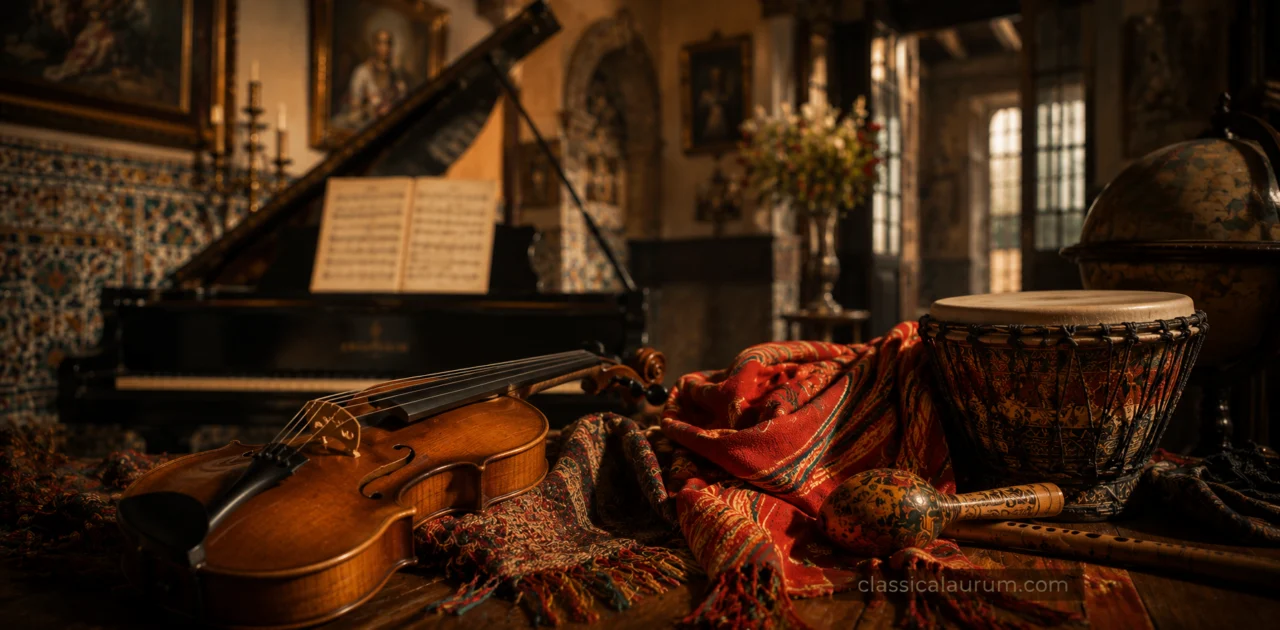
Music also serves as a mirror of collective identity. Every society develops distinctive musical traditions that reflect its history, geography, and values. Folk songs preserve stories passed down through generations, while national styles reveal the unique character of different cultures.
Spanish guitar music, Viennese classical traditions, Russian symphonic writing, and Latin American rhythms all demonstrate how music embodies cultural heritage. These traditions help communities maintain a sense of continuity despite social and historical changes.
Classical composers have frequently incorporated folk elements into their works. Antonín Dvořák drew inspiration from Czech traditions, while Béla Bartók collected and studied rural melodies to preserve musical heritage.
Through these connections, music becomes both a personal and collective memory. It allows societies to remember their past while continuing to evolve creatively.
The Human Experience in Classical Music
Classical music offers extraordinary examples of how artistic expression reflects human existence. Major compositions often address universal themes such as love, suffering, hope, death, and renewal.
Wolfgang Amadeus Mozart combined elegance with emotional depth. Beethoven transformed personal adversity into artistic triumph. Johannes Brahms explored introspection and longing. Pyotr Ilyich Tchaikovsky revealed profound emotional vulnerability through his symphonies and ballets.
Opera provides another powerful example. Through dramatic storytelling and music, composers have portrayed human passions with remarkable realism. Works by Giuseppe Verdi and Richard Wagner examine moral conflicts, relationships, and existential struggles that remain relevant today.
Because these themes are universal, listeners from different eras continue to identify with music created hundreds of years ago.
Music as a Universal Language
Unlike spoken languages, music can communicate across national and cultural boundaries. People who have never met and who share no common vocabulary can still respond emotionally to the same composition.
This universality explains why classical masterpieces are performed worldwide. Concert halls in Europe, Asia, the Americas, and Africa continue to present works composed centuries earlier because their expressive power remains meaningful.
Scientific studies have also demonstrated that music influences the brain in remarkable ways. Listening to music activates multiple regions associated with memory, emotion, and cognition. These effects reinforce the idea that music is deeply connected to human nature.
Although styles and preferences vary, the fundamental human response to music appears to be universal. This shared experience strengthens the bonds between individuals and communities.
Why Music Continues to Matter in Modern Society
In an age dominated by technology and rapid communication, music remains essential to everyday life. Streaming platforms have transformed access to musical works, allowing listeners to explore centuries of repertoire from anywhere in the world.
Despite these technological changes, the fundamental purpose of music has not changed. People still seek beauty, emotional understanding, and meaningful experiences through sound.
Classical music, in particular, offers opportunities for reflection in a world often characterized by speed and distraction. Many listeners discover that engaging with great compositions provides balance, concentration, and emotional depth.
Educational institutions also recognize the importance of music in developing creativity and critical thinking. Musical training encourages discipline, sensitivity, and appreciation for artistic traditions.
These benefits demonstrate that music continues to play an essential role in human development.
The Enduring Legacy of Musical Expression
Music survives because it reflects what it means to be human. Every generation creates new sounds while preserving the achievements of the past. This continuous dialogue between tradition and innovation ensures that music remains alive and relevant.
From ancient chants to contemporary compositions, music records the emotional and intellectual history of humanity. It captures moments of celebration and tragedy, personal struggles and collective aspirations.
At ClassicalAurum.com, the study of music extends beyond technical analysis. Understanding music means understanding the people who created it and the societies that shaped their artistic visions.
Ultimately, music serves as one of humanity’s greatest mirrors. Through melody, harmony, and rhythm, individuals discover not only the voices of composers from distant centuries but also reflections of their own experiences.
For this reason, music remains one of the most enduring expressions of the human spirit and one of the most valuable artistic legacies ever created.
About the Author
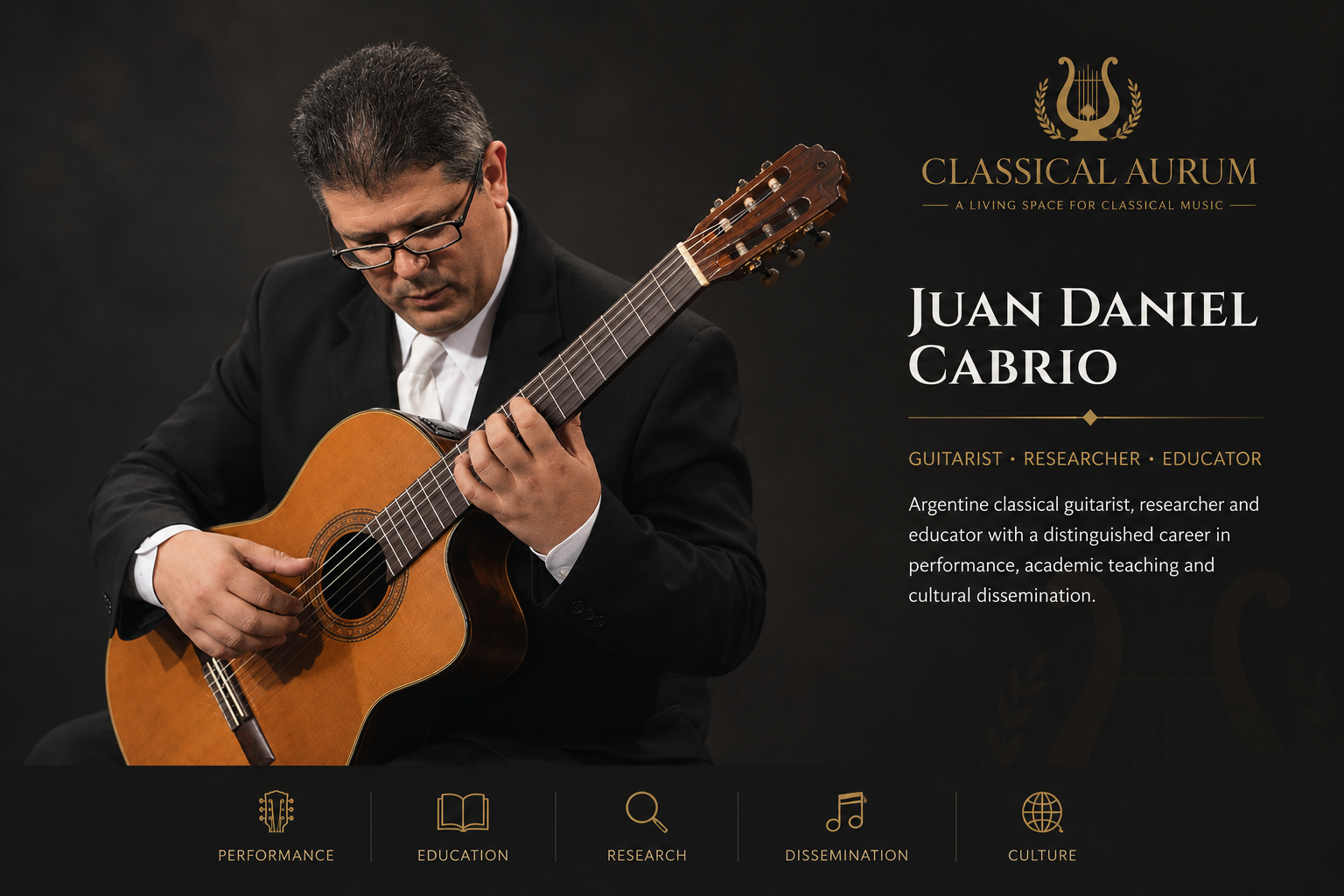
Juan Daniel Cabrio
Argentine Classical Guitarist · Researcher · Educator
Juan Daniel Cabrio is an Argentine classical guitarist, researcher and educator. Founder of Classical Aurum, he shares educational and cultural content about classical music, composers, instruments, repertoire, music history and performance practice.
View full biographyExplore more Classical Aurum articles related to this topic.