How Classical Music Expresses Emotion
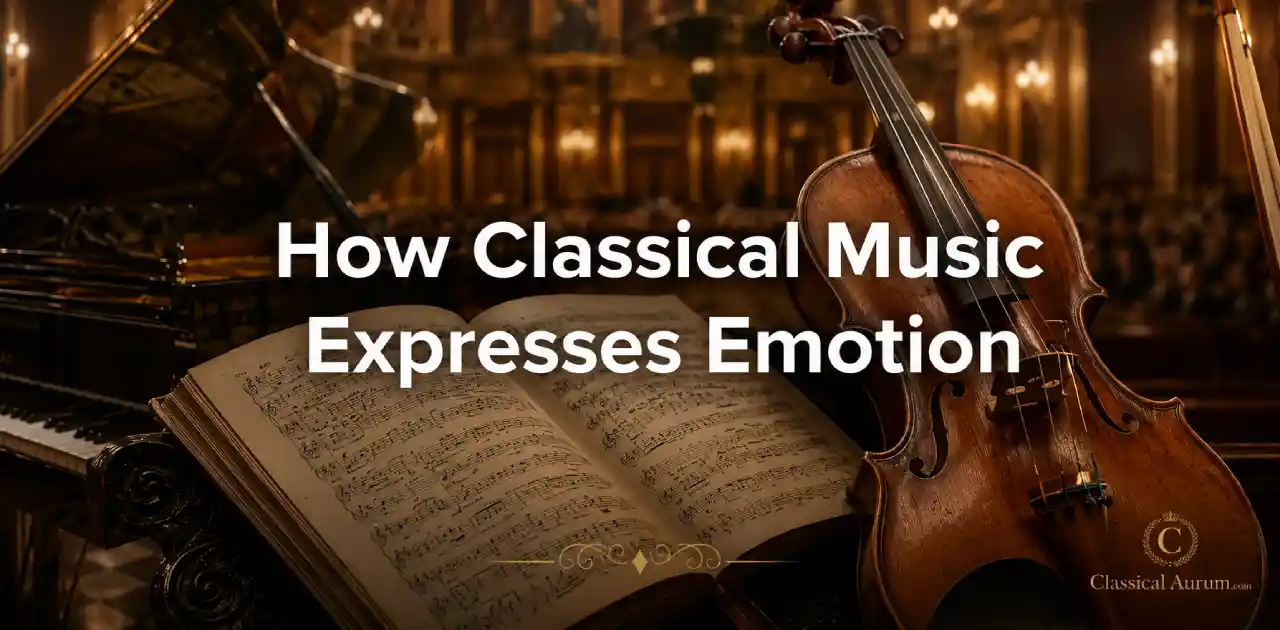
How Classical Music Expresses Emotion
Classical music has the extraordinary ability to communicate emotions without relying on words. Across centuries, composers have created works capable of expressing joy, sorrow, hope, triumph, fear, longing, serenity, and wonder through purely musical means. Whether performed by a solo instrument or a full orchestra, classical music reaches listeners on an emotional level that often transcends language and culture.
Unlike literature or theater, instrumental music does not describe emotions directly. Instead, it creates emotional experiences through melody, harmony, rhythm, dynamics, tempo, timbre, and musical structure. These elements work together to stimulate imagination, memory, and personal interpretation, allowing every listener to develop a unique emotional connection with the music.
Today, neuroscience, psychology, and musicology continue to explore why classical music affects the human brain so profoundly. While researchers identify biological explanations, musicians understand that emotional expression remains one of the greatest artistic achievements in Western classical tradition.
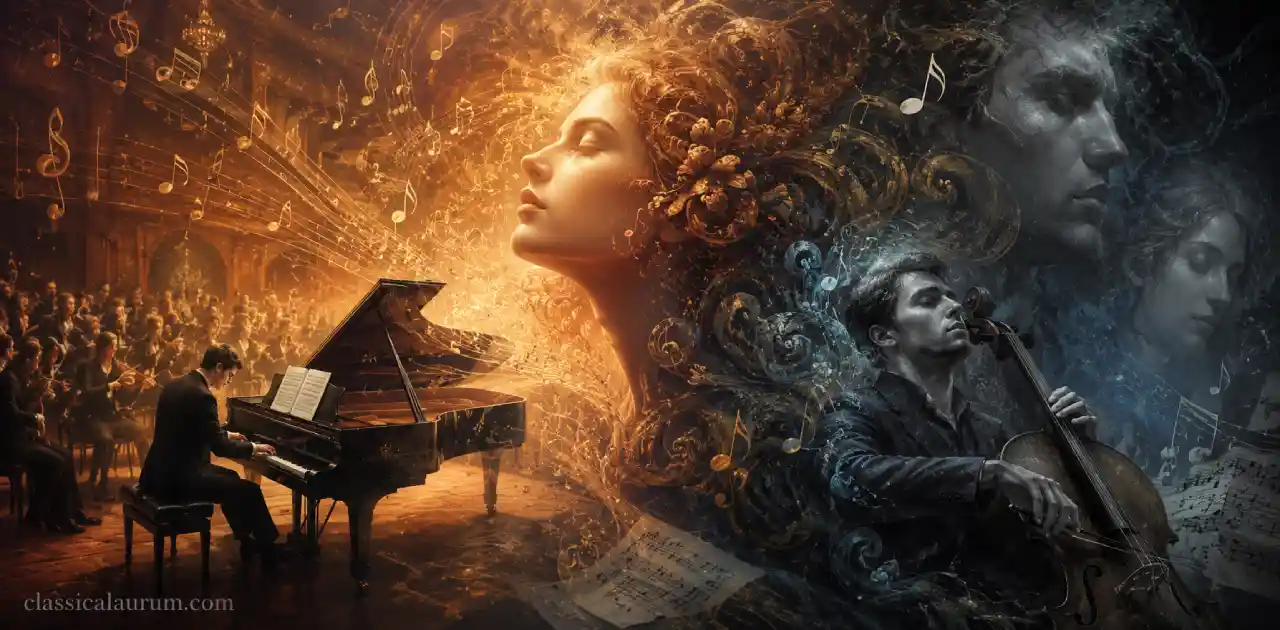
Music as an Emotional Language
Long before scientific studies examined music and emotion, composers intuitively understood that organized sound could communicate feelings more effectively than words in many situations.
Related: Film Music and Classical Influence
Unlike spoken language, music is not limited by vocabulary or grammar. Instead, it creates emotional meaning through relationships between sounds. A simple melodic phrase may suggest tenderness, while a sudden orchestral climax can evoke excitement or fear.
One reason classical music remains timeless is its ability to communicate across cultures. Even listeners unfamiliar with European musical traditions often recognize emotional qualities such as sadness in a slow minor melody or celebration in a brilliant major fanfare.
Related: Music as a Reflection of the Human Spirit
Because emotions are rarely simple, classical compositions frequently present contrasting feelings within the same work. Hope may emerge from despair, tension may resolve into peace, and uncertainty may transform into confidence.
Melody: The Voice of Emotion
Melody is perhaps the most immediately expressive element of music.
A beautiful melody often resembles the natural rhythm of human speech or singing. Rising melodic lines frequently suggest aspiration, excitement, or optimism, while descending phrases may communicate reflection, resignation, or melancholy.
Composers carefully shape melodic contours to guide emotional development throughout a composition. Small intervals can create intimacy and tenderness, while wide leaps often introduce drama or emotional intensity.
Related: Classical Music and Philosophy
Many unforgettable melodies remain emotionally powerful because they balance familiarity with surprise. Listeners anticipate certain musical directions, yet composers introduce unexpected turns that generate emotional engagement.
The melodies of composers such as Mozart, Schubert, Chopin, and Tchaikovsky continue to resonate because they capture emotions that remain universal regardless of historical period.
Harmony and the Color of Feeling
Harmony adds emotional depth by supporting and transforming melodic ideas.
Major and minor tonalities are often associated with happiness and sadness, but classical harmony is considerably more sophisticated. Composers constantly move between stability and instability, creating emotional journeys rather than static moods.
Dissonance introduces tension, uncertainty, or conflict. When resolved into consonance, listeners experience satisfaction, relief, or emotional release. This constant interaction between expectation and resolution forms one of the foundations of emotional expression in Western music.
During the Romantic period, composers expanded harmonic language dramatically. Rich chromatic harmonies allowed musicians to portray increasingly complex emotional states, including nostalgia, longing, mystery, and spiritual transcendence.
Harmony therefore functions much like emotional shading in painting, adding countless subtle colors to musical storytelling.
Rhythm, Tempo, and Emotional Energy
Rhythm shapes how emotions unfold through time.
Fast tempos naturally create excitement, urgency, celebration, or joy, while slower tempos encourage contemplation, solemnity, or peaceful reflection.
Regular rhythmic patterns often communicate confidence and stability. In contrast, irregular rhythms generate unpredictability, suspense, or emotional agitation.
Composers also manipulate silence with remarkable expressive power. A carefully placed pause may heighten anticipation more effectively than continuous sound.
Dance rhythms have historically conveyed social energy and celebration, while funeral marches express dignity and mourning. Military rhythms project determination, whereas flowing rhythmic patterns evoke calmness and lyrical beauty.
Through rhythm alone, composers influence listeners’ physical responses, including heartbeat, breathing, and movement, strengthening the emotional impact of the music.
Dynamics, Timbre, and Musical Atmosphere
Volume is one of the most obvious tools for emotional communication.
Soft passages invite intimacy and reflection, while powerful orchestral climaxes generate excitement, awe, or overwhelming emotional intensity. The contrast between these extremes creates dramatic storytelling throughout a composition.
Equally important is timbre—the unique tone color produced by different instruments.
A solo flute often suggests innocence or tranquility. The cello possesses a warm, human quality frequently associated with deep emotion. Brass instruments communicate strength, heroism, or grandeur, while strings provide extraordinary expressive flexibility.
Woodwinds frequently portray nature, birdsong, or pastoral serenity. Percussion contributes energy, tension, and dramatic impact.
Orchestration allows composers to combine these instrumental colors like painters mixing pigments. Every orchestral texture contributes to the emotional atmosphere of the music.
Form and Emotional Narrative
Classical compositions rarely present isolated emotions. Instead, they guide listeners through emotional journeys.
Musical forms such as sonata form, rondo, variation form, and symphonic structure create frameworks that support dramatic development.
A sonata movement typically introduces contrasting themes representing different emotional ideas. These themes interact, conflict, transform, and ultimately achieve resolution, mirroring many human experiences.
Symphonies often progress from struggle toward triumph. Concertos contrast the individual voice of the soloist against the collective power of the orchestra. Chamber music explores intimate emotional conversations between performers.
Because musical form organizes emotional progression over time, listeners experience not merely individual feelings but complete emotional narratives.
Performance: Bringing Emotion to Life
Even the greatest composition remains incomplete until interpreted by performers.
Musicians make countless artistic decisions involving phrasing, articulation, tempo flexibility, dynamics, tone production, and expressive timing. These choices shape how audiences experience the emotional content of a work.
Two pianists performing the same Chopin nocturne may produce remarkably different emotional experiences despite following identical written notes.
Conductors likewise influence orchestral emotion by controlling balance, pacing, phrasing, and overall architecture.
Historical performance practice also affects emotional interpretation. Performers using period instruments often recreate the expressive qualities originally intended by composers, while modern performances may emphasize broader dynamic ranges and richer orchestral sonorities.
Ultimately, emotional communication depends upon the partnership between composer, performer, and listener.
Why Classical Music Continues to Move Modern Audiences
Despite dramatic changes in musical styles over the past several centuries, classical music remains emotionally relevant.
Scientific research suggests that music activates numerous areas of the brain simultaneously, including those responsible for memory, emotion, attention, and reward. Emotional responses often become even stronger when listeners associate particular works with personal experiences.
Classical music also encourages active listening. Rather than delivering instant gratification, many compositions gradually unfold their emotional meaning through careful development and subtle transformation.
Repeated listening often reveals new emotional layers that were previously unnoticed. This richness explains why masterpieces continue to inspire audiences throughout their lives.
In an increasingly fast-paced world, classical music offers opportunities for deep concentration, emotional reflection, and aesthetic appreciation that remain both rare and valuable.
Its emotional language never becomes outdated because it reflects fundamental aspects of human experience.
The Universal Legacy of Emotional Expression
The enduring power of classical music lies in its remarkable ability to transform sound into emotion.
Through melody, harmony, rhythm, dynamics, orchestration, form, and performance, composers have created works that continue to communicate with listeners centuries after they were written.
Whether experiencing the serenity of a Bach prelude, the elegance of a Mozart concerto, the passionate intensity of Beethoven, the poetic lyricism of Chopin, or the sweeping emotional landscapes of Mahler, audiences encounter music that speaks directly to the human heart.
Classical music does not simply represent emotions—it allows listeners to experience them, reflect upon them, and often understand them more deeply. That capacity for emotional communication remains one of the greatest achievements of artistic expression and ensures that classical music will continue inspiring future generations around the world.
About the Author
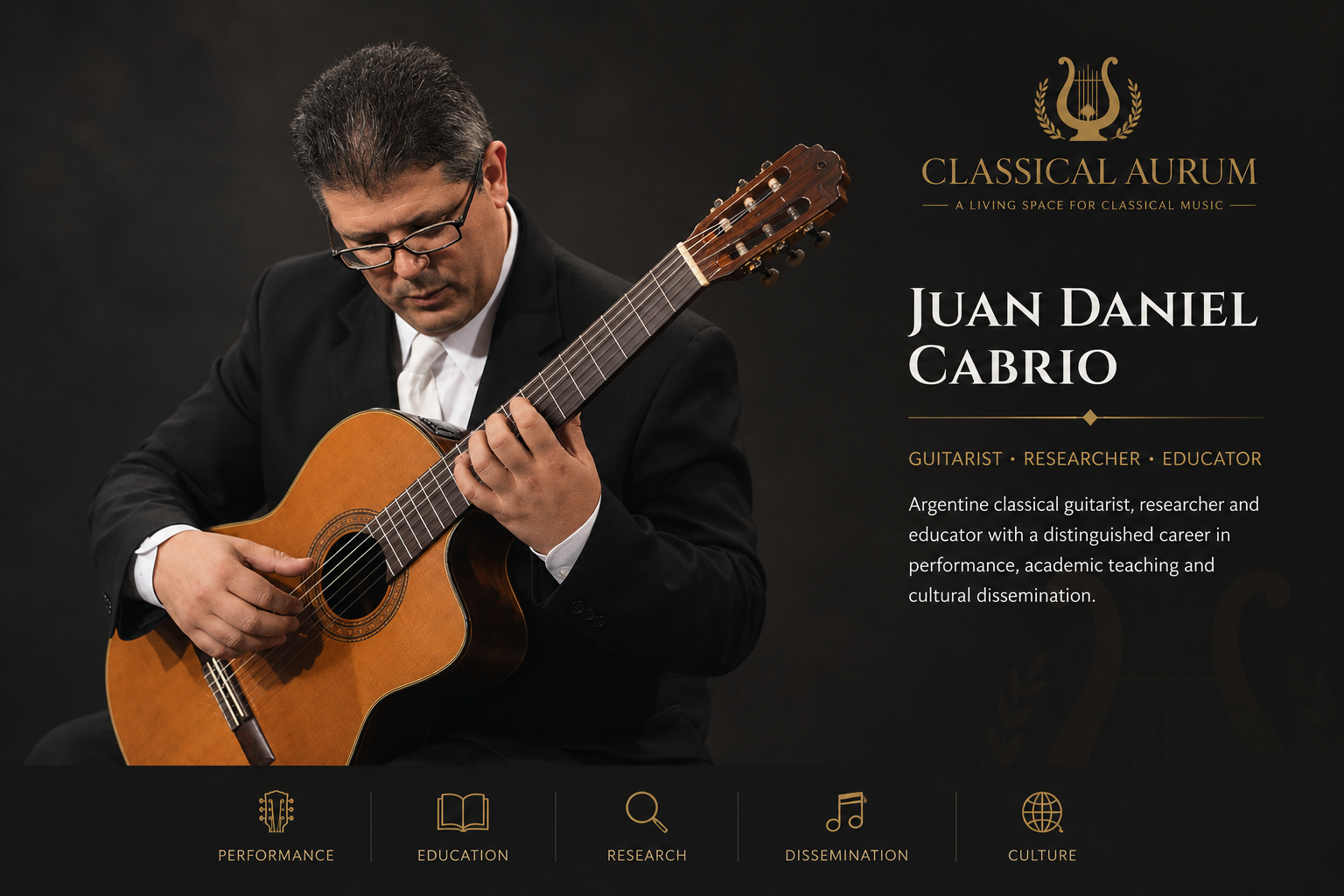
Juan Daniel Cabrio
Argentine Classical Guitarist · Researcher · Educator
Juan Daniel Cabrio is an Argentine classical guitarist, researcher and educator. Founder of Classical Aurum, he shares educational and cultural content about classical music, composers, instruments, repertoire, music history and performance practice.
View full biography