
Beethoven as a Bridge Between Eras
The Historical Context: A World in Transformation
At the turn of the 19th century, Europe was undergoing profound change. The Enlightenment ideals of balance, reason, and order—so clearly reflected in the music of Haydn and Mozart—were giving way to a more turbulent, emotionally driven worldview. Political revolutions, particularly the French Revolution, reshaped society and culture. In this dynamic environment, music could no longer remain confined to aristocratic salons and rigid formalism.
Into this shifting landscape emerged Ludwig van Beethoven, a composer who would redefine not only musical language but also the role of the artist. Unlike his predecessors, Beethoven positioned himself as an independent creator, not merely a servant of courtly patrons. His music reflects both the discipline of the Classical era and the expressive intensity that would define Romanticism.
Understanding Beethoven requires recognizing this dual identity. He did not reject the Classical tradition—he expanded it. His work stands as a bridge, connecting two distinct artistic worlds while transforming both.
Classical Foundations: Structure, Balance, and Form
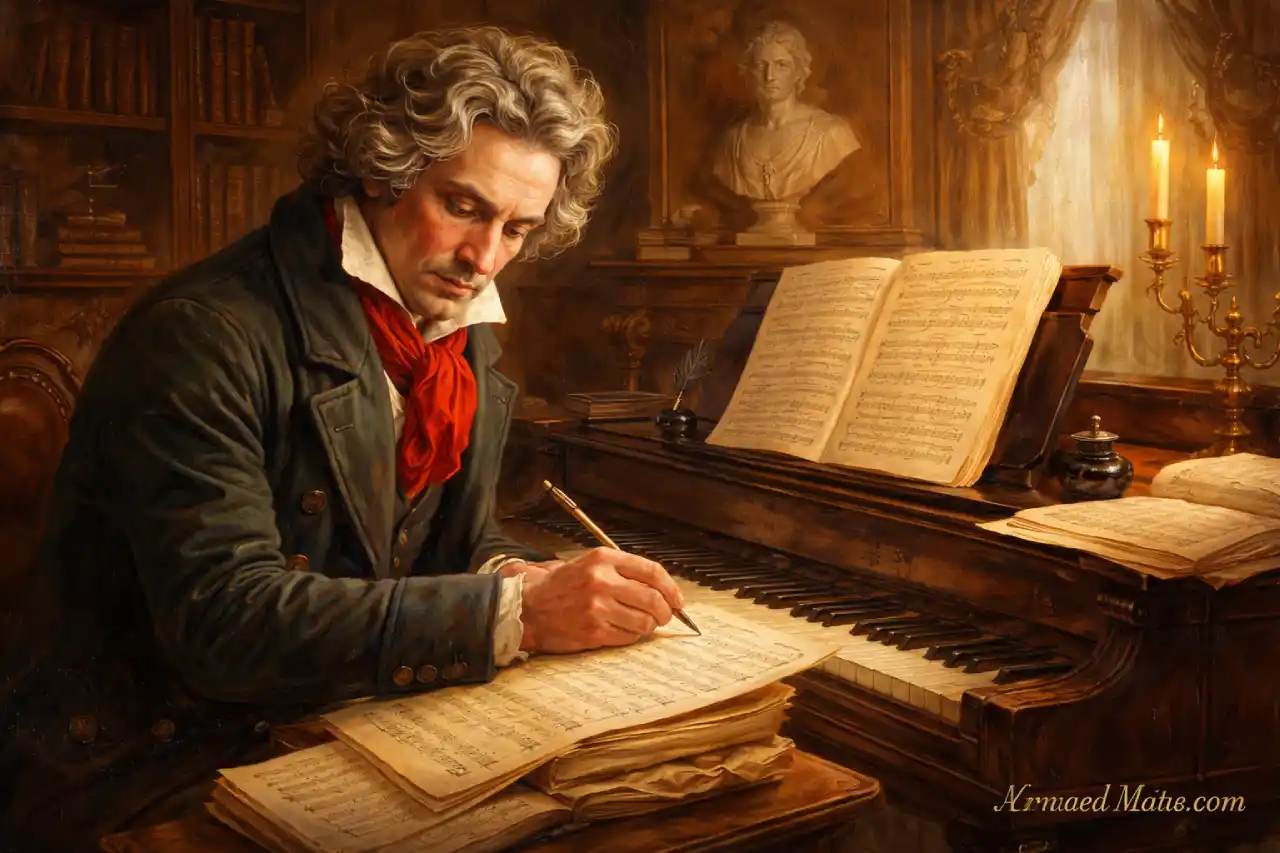
Beethoven’s early works clearly demonstrate his deep roots in the Classical tradition. Trained in Bonn and later in Vienna, he absorbed the stylistic language of Mozart and Haydn, mastering forms such as the sonata, symphony, and string quartet.
These compositions are characterized by clarity, proportion, and formal elegance. The early piano sonatas, for example, adhere closely to established structures, with clearly defined themes and logical development. Even in these works, however, Beethoven begins to stretch the limits of convention.
He introduces greater contrasts in dynamics, expands harmonic language, and injects a sense of urgency and drama. These subtle innovations hint at the transformations to come. Beethoven respects Classical form, but he refuses to be confined by it.
This tension between tradition and innovation becomes the defining feature of his music. The Classical framework remains intact, yet it becomes increasingly flexible—capable of carrying deeper emotional and philosophical weight.
The Heroic Middle Period: Expansion and Revolution
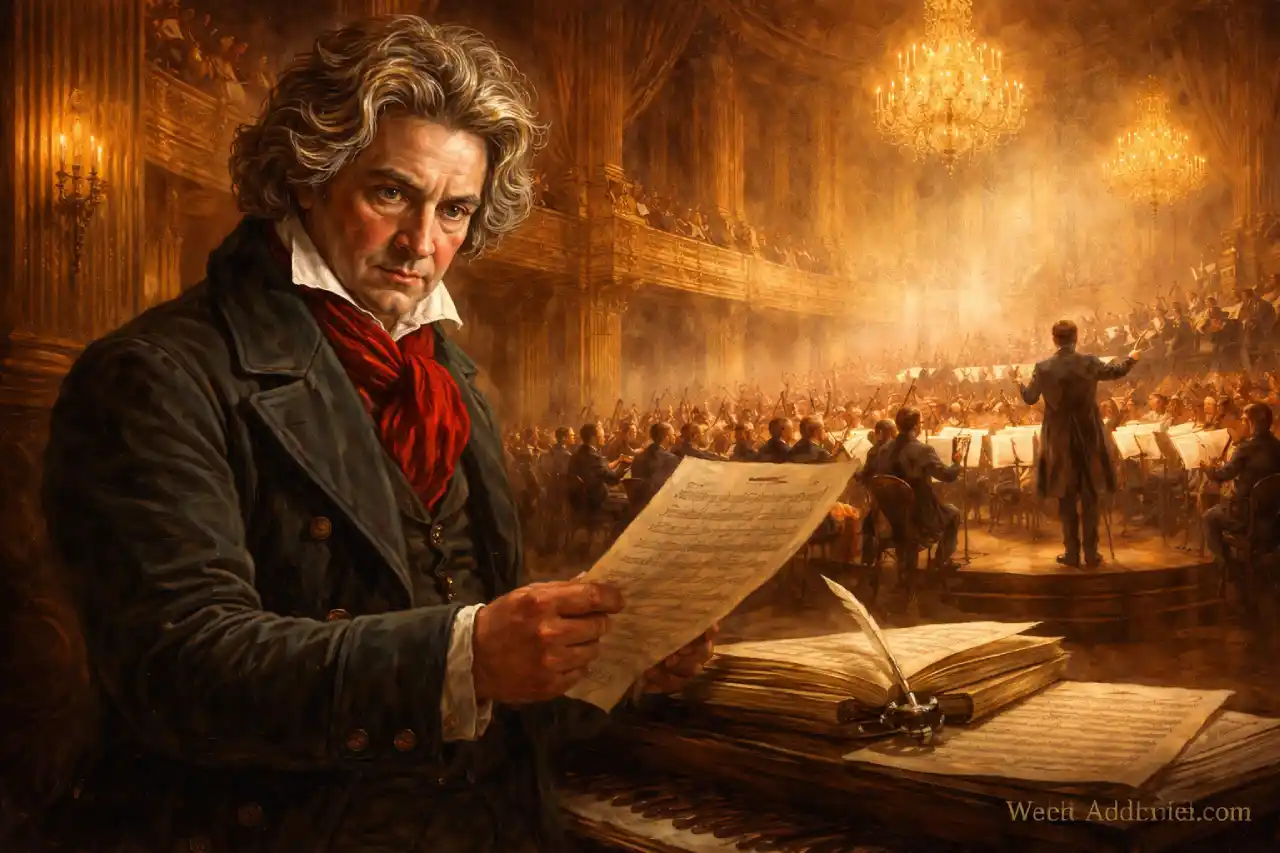
Beethoven’s middle period marks a turning point not only in his career but in the history of music. Often referred to as his “heroic” phase, this period includes works such as the Eroica Symphony and the Fifth Symphony.
Here, Beethoven dramatically expands the scale and scope of musical forms. The symphony becomes a vehicle for narrative and emotional expression rather than merely a structured sequence of movements. Themes are developed with unprecedented intensity, and motifs are transformed across entire compositions.
The famous four-note motif of the Fifth Symphony exemplifies this approach. A simple idea evolves into a powerful musical journey, embodying struggle, tension, and eventual triumph. This level of thematic integration represents a significant departure from Classical norms.
Moreover, Beethoven begins to infuse his music with personal meaning. His compositions are no longer abstract—they become expressions of individual experience. This shift signals the emergence of Romantic ideals, where the artist’s inner world takes center stage.
Emotional Depth and Personal Expression
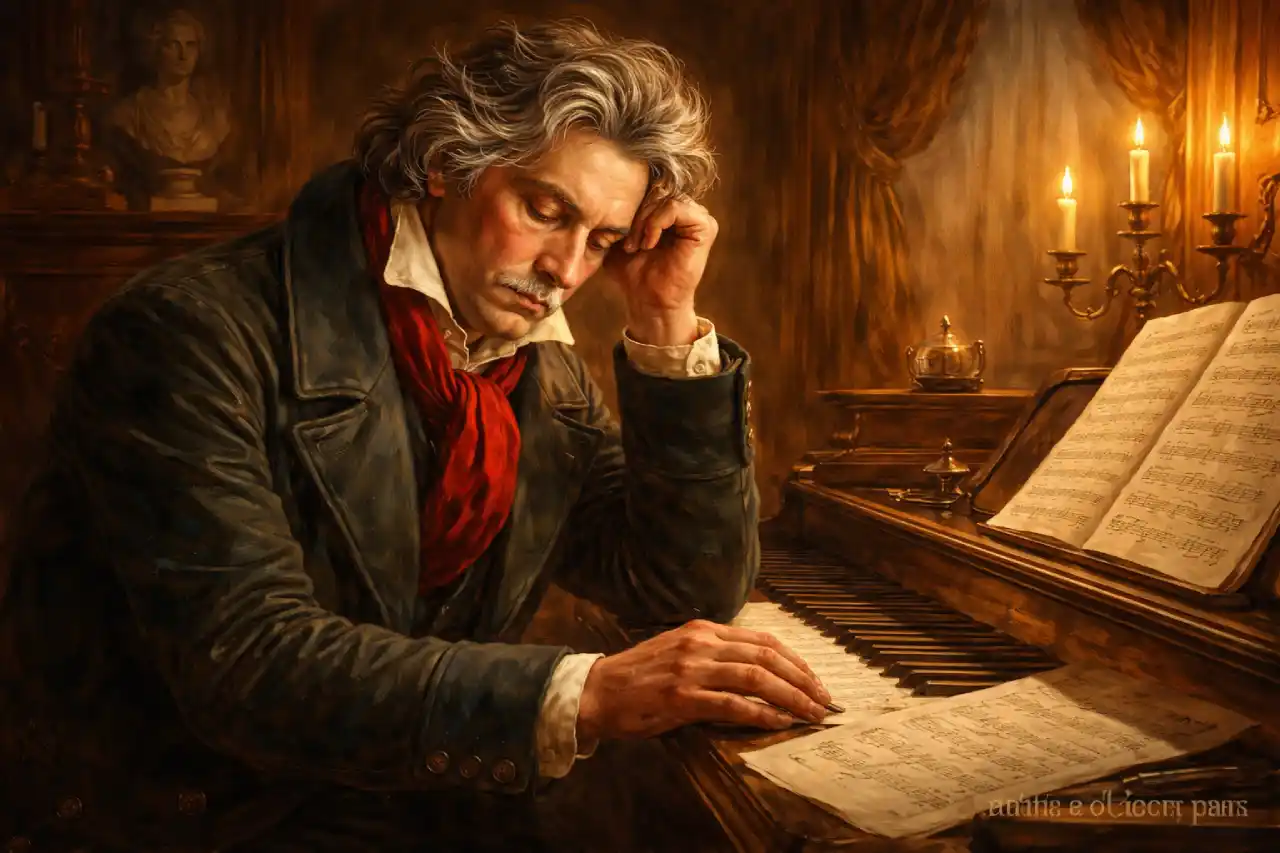
One of Beethoven’s most significant contributions is the elevation of emotional expression in music. While Classical composers valued balance and restraint, Beethoven embraced intensity and contrast.
This is particularly evident in works such as the Moonlight Sonata and the Appassionata Sonata. These pieces explore a wide range of emotional states, from introspective calm to explosive passion. The use of dynamic extremes, unexpected harmonic shifts, and dramatic pacing creates a sense of psychological depth rarely encountered in earlier music.
Beethoven’s personal struggles—especially his gradual hearing loss—also play a crucial role in shaping his artistic voice. Rather than limiting him, this adversity seems to have deepened his expressive capacity. His music becomes more introspective, more profound, and more daring.
In this way, Beethoven embodies the Romantic ideal of the artist as a solitary figure, grappling with inner conflict and transforming it into art. His work invites listeners not just to hear music, but to experience it emotionally and intellectually.
Late Period: Innovation Beyond Convention
Beethoven’s late works represent some of the most innovative and challenging music ever composed. In these pieces, he moves beyond both Classical and early Romantic conventions, creating a language that feels almost timeless.
The late string quartets and piano sonatas, for example, feature unconventional structures, complex counterpoint, and unexpected harmonic progressions. These works often defy traditional expectations, requiring listeners to engage with music in new ways.
The Ninth Symphony stands as a monumental achievement, combining orchestral and choral elements in a unified vision. The inclusion of the human voice in a symphony was unprecedented, symbolizing a broader conception of musical expression.
These compositions are not merely evolutions—they are transformations. Beethoven no longer operates within established frameworks; he creates entirely new ones. His late style anticipates developments that would only fully emerge decades later.
Beethoven’s Legacy: The Birth of the Romantic Artist
Beethoven’s influence extends far beyond his own compositions. He fundamentally changed how music was perceived and created. By asserting his independence and prioritizing personal expression, he redefined the role of the composer.
Later Romantic composers such as Schubert, Brahms, and Wagner all drew inspiration from Beethoven’s innovations. His approach to form, harmony, and thematic development became a foundation for future exploration.
Equally important is his impact on the cultural image of the artist. Beethoven transformed the composer into a heroic figure—an individual driven by vision and emotion rather than external constraints. This concept became central to Romanticism and continues to shape artistic identity today.
His work also bridges audiences. Classical listeners appreciate his structural mastery, while Romantic audiences connect with his emotional depth. This dual appeal underscores his unique position in music history.
Conclusion: A Timeless Bridge Between Worlds
Beethoven’s music cannot be confined to a single era. He stands at the intersection of two major artistic movements, embodying both the precision of Classicism and the passion of Romanticism.
His ability to expand traditional forms while infusing them with profound emotional content marks him as one of the most transformative figures in Western music. Through his work, the boundaries of what music could express were permanently altered.
For listeners and scholars alike, Beethoven offers more than historical significance. He provides a living connection between past and future, tradition and innovation, structure and freedom.
In this sense, Beethoven is not merely a bridge between eras—he is the architect of a new musical world.
About the Author
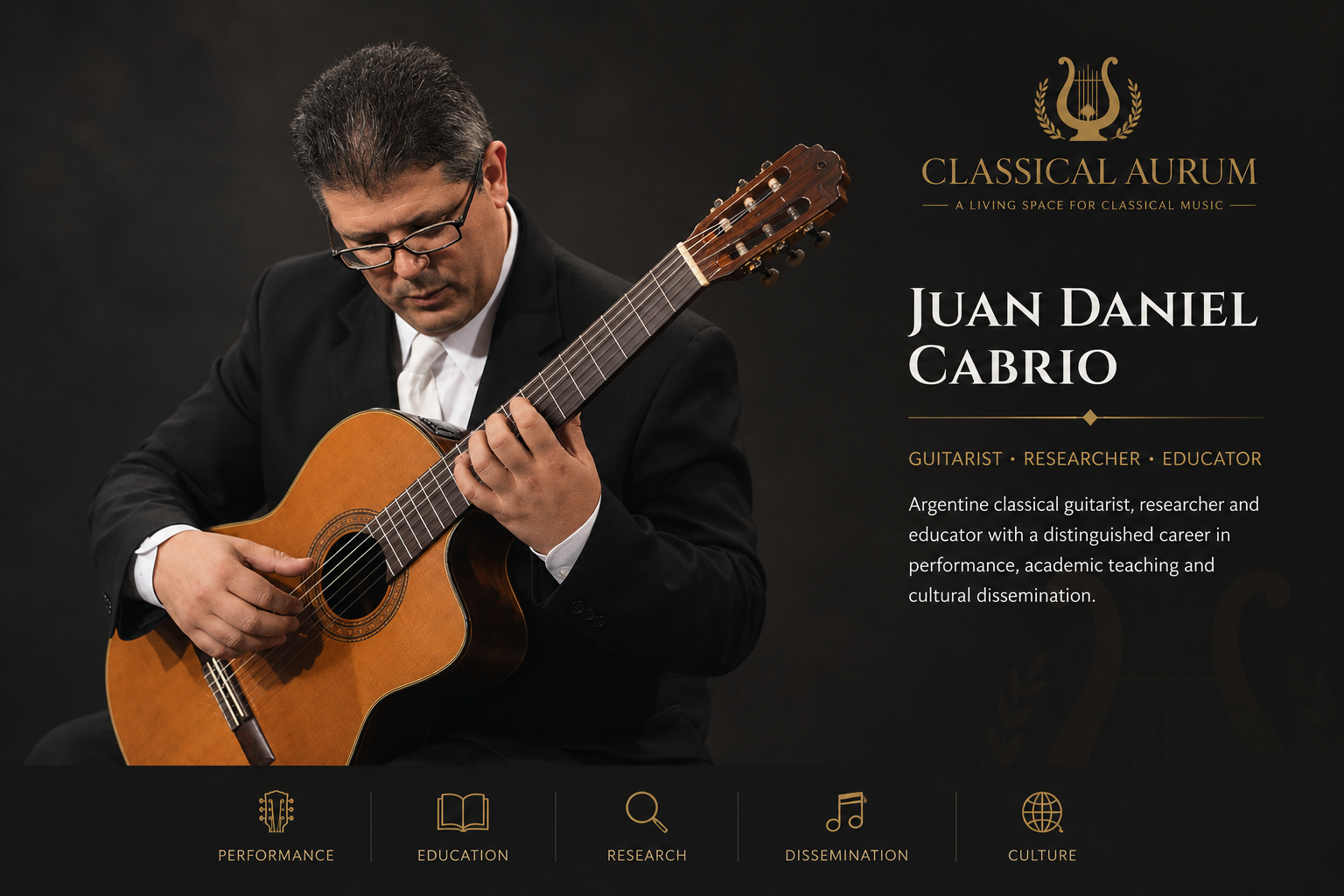
Juan Daniel Cabrio
Argentine Classical Guitarist · Researcher · Educator
Juan Daniel Cabrio is an Argentine classical guitarist, researcher and educator. Founder of Classical Aurum, he shares educational and cultural content about classical music, composers, instruments, repertoire, music history and performance practice.
View full biographyExplore more Classical Aurum articles related to this topic.