
Romanticism in Classical Music
Romanticism in classical music represents one of the most transformative and emotionally expansive periods in Western art. Emerging in the early 19th century, it reshaped musical language, performance culture, and artistic identity. For ClassicalAurum.com, this era is not merely historical—it is a living source of interpretive depth, expressive freedom, and repertoire richness for orchestral musicians and classical guitarists alike.
The Romantic movement shifted the focus of music from structural perfection to emotional intensity, individual expression, and imaginative storytelling. Composers sought to move audiences on a profound psychological level. Harmony became more adventurous. Orchestras expanded. Piano writing became virtuosic and poetic. National identity entered the symphonic hall. The artist became a visionary.
Below, we explore Romanticism in classical music through its historical origins, stylistic features, principal composers, genres, philosophical foundations, and lasting legacy in both orchestral and guitar traditions.

Related: The History of the Classical Guitar
Related: Why the Violin Leads the Orchestra
Historical Origins of Romanticism in Classical Music
Romanticism in music emerged around 1800, overlapping with the late Classical period. The seeds were planted by Ludwig van Beethoven, whose later works expanded emotional range and structural boldness beyond Classical restraint.
Related: The Classical Period Explained
Beethoven’s symphonies and piano sonatas introduced a new sense of heroic struggle, personal drama, and philosophical ambition. Music was no longer only entertainment for aristocratic salons; it became a vehicle for existential expression.
Related: The Violin and Its Central Role
Literary Romanticism also influenced composers. Writers like E. T. A. Hoffmann framed music as the highest art form, capable of expressing the ineffable. This idea resonated deeply with 19th-century musicians.
Political upheavals—the French Revolution, the Napoleonic Wars, the rise of nationalism—encouraged composers to explore identity, freedom, and folklore. The Romantic composer became an independent artist rather than a court employee.
This shift in cultural positioning laid the foundation for a century of emotional, harmonic, and orchestral expansion.

Core Characteristics of Romantic Music
Expanded Harmony: Chromaticism increased dramatically. Composers pushed tonal boundaries, using rich modulations and expressive dissonance.
Related: The Piano in Classical Music
Expressive Melody: Long, lyrical melodies became central. Vocal qualities often influenced instrumental writing.
Dynamic Contrast: Extreme shifts in volume and tempo created emotional drama.
Larger Orchestras: Orchestras grew in size, incorporating new instruments and expanded brass and woodwind sections.
Programmatic Elements: Music often told stories or depicted landscapes and emotions.
Related: Fernando Sor and the Guitar Repertoire
Virtuosity: Performers like Franz Liszt redefined technical brilliance as theatrical spectacle.
Romanticism blurred the line between music and poetry, philosophy, and national mythology.
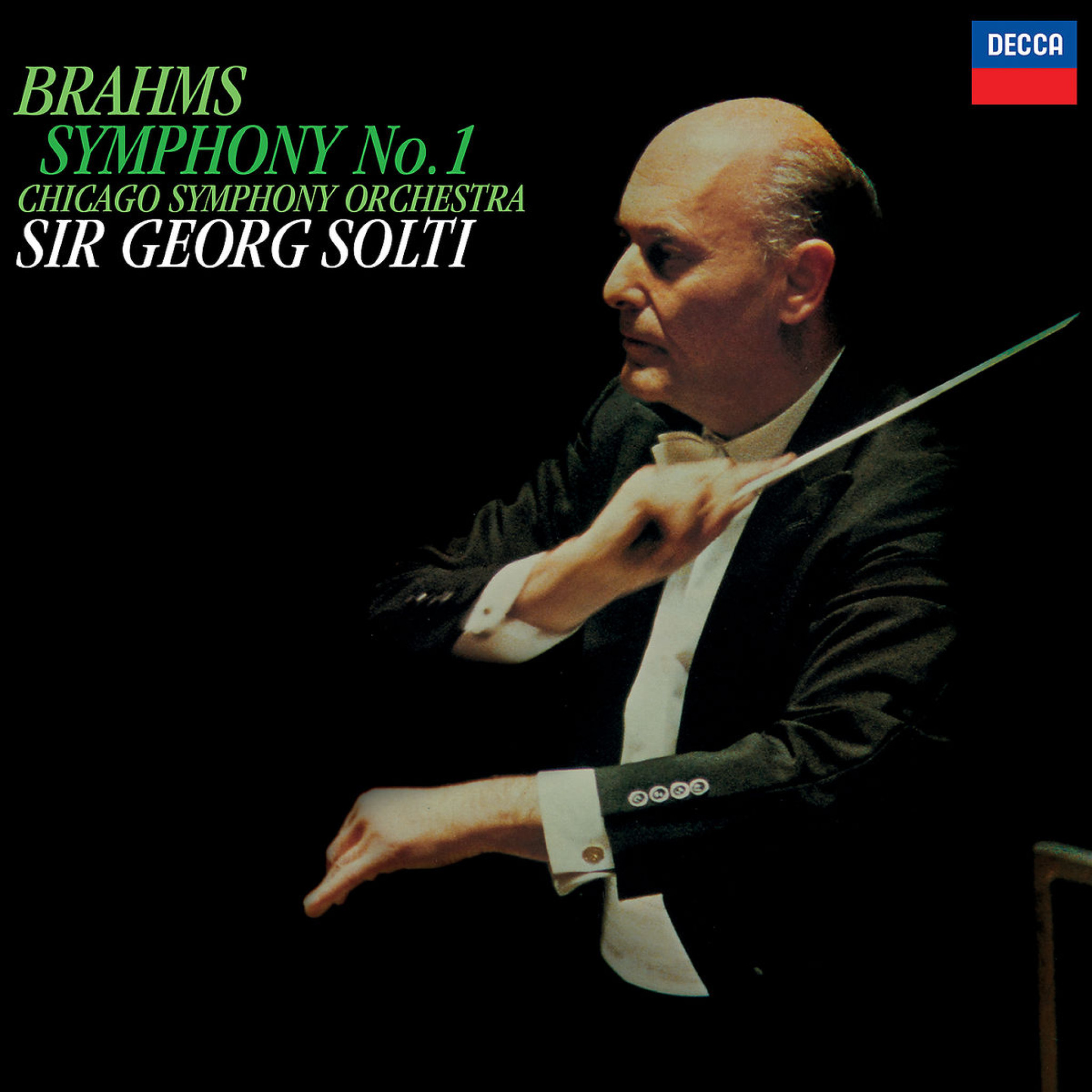
The Symphony and the Expansion of Orchestral Color
Meanwhile, Pyotr Ilyich Tchaikovsky infused symphonies with sweeping melodies and psychological tension. His works demonstrate the Romantic fascination with fate and inner turmoil.
Later in the century, Gustav Mahler expanded the symphony into philosophical universes. His works incorporated folk tunes, irony, and existential reflection.
Orchestration evolved dramatically. Strings expanded. Brass gained prominence. Harps and percussion added color. The orchestra became a canvas for emotional storytelling.

The Rise of Program Music
A landmark example is Symphonie Fantastique by Hector Berlioz, a vivid autobiographical orchestral work depicting obsession and hallucination.
Franz Liszt developed the symphonic poem, a one-movement orchestral work based on literary or philosophical themes.
Program music allowed composers to merge sound with narrative imagination. It exemplifies Romanticism’s belief that music could evoke landscapes, legends, and psychological states.
Nationalism and Cultural Identity
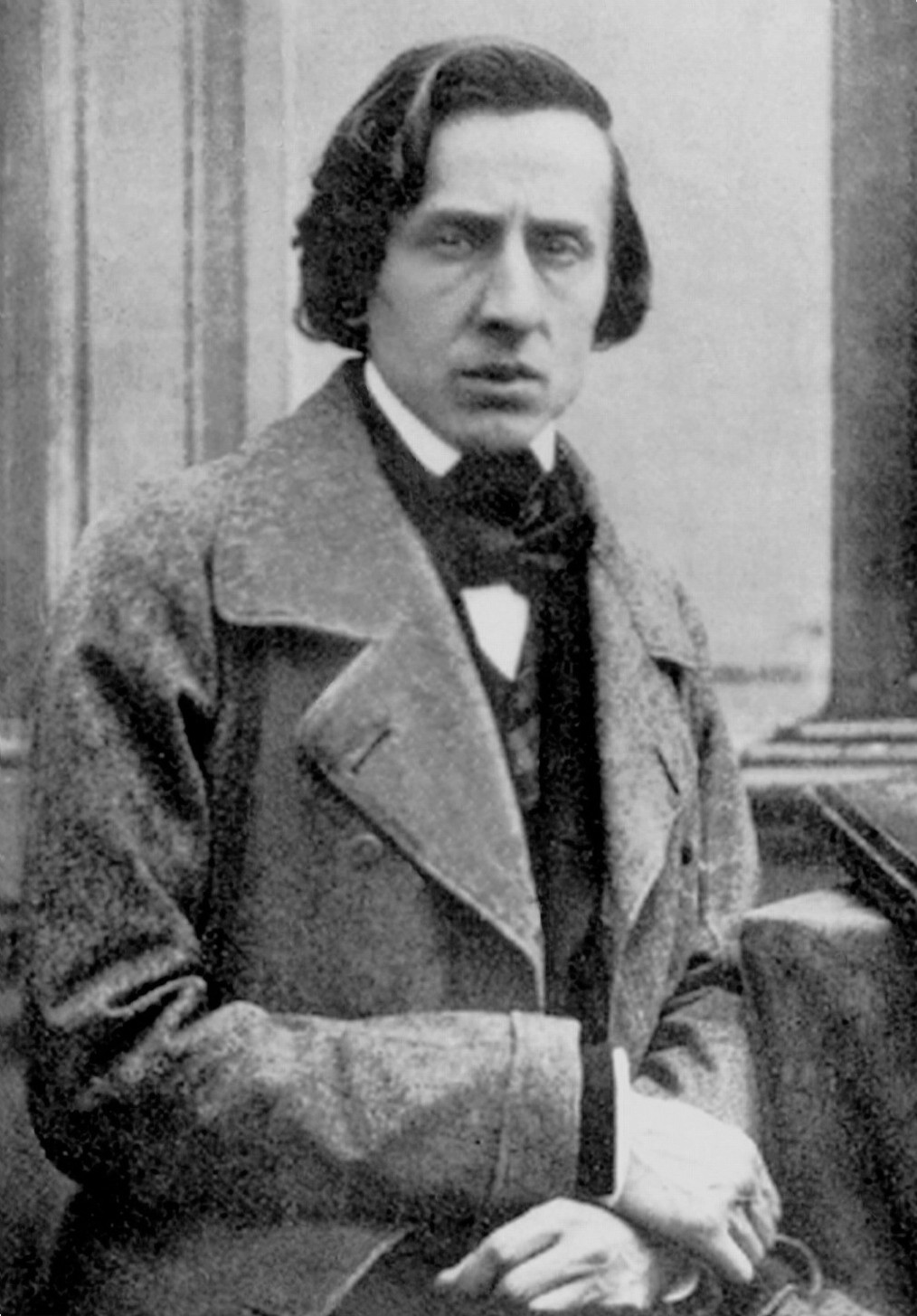
Frédéric Chopin infused his mazurkas and polonaises with Polish dance forms.
Antonín Dvořák integrated Czech folk elements into symphonies and chamber music.
Bedřich Smetana celebrated Bohemian landscapes in his tone poems.
Nationalism expanded musical diversity while preserving Romantic emotional intensity.

The Romantic Piano and Virtuosity
Franz Liszt transformed piano performance into a public spectacle.
Robert Schumann explored introspection and literary symbolism in character pieces.
Frédéric Chopin crafted poetic miniatures of profound emotional depth.
For classical guitarists, Romantic piano literature also influenced expressive phrasing and harmonic language in transcriptions and original works.
Romanticism and the Classical Guitar
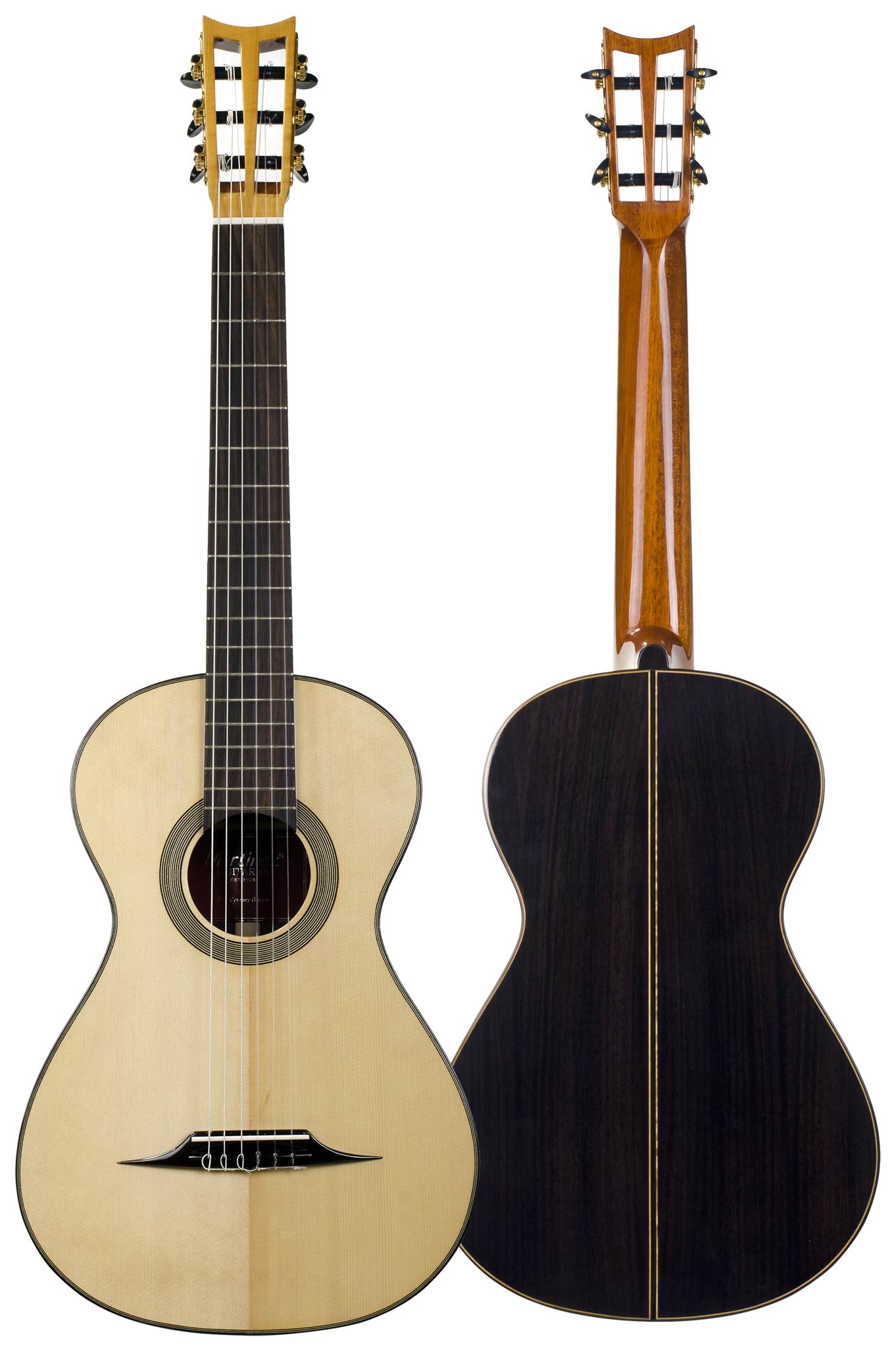
Francisco Tárrega brought Romantic expressivity to guitar repertoire through lyrical phrasing and rich harmonic color.
Romantic aesthetics encouraged guitarists to cultivate singing tone, rubato flexibility, and expressive vibrato.
Transcriptions of Romantic piano works expanded guitar repertoire and connected the instrument to broader 19th-century stylistic currents.
For ClassicalAurum.com readers, Romantic guitar music represents a bridge between salon intimacy and poetic depth.
Philosophy, Emotion, and the Artist as Visionary
Romanticism elevated the composer to visionary status. Influenced by philosophers such as Schopenhauer, musicians embraced the idea that music expressed metaphysical truths.
Emotion became central. Love, despair, longing, triumph, and transcendence shaped musical narratives.
The Romantic artist was often portrayed as misunderstood or heroic. This cultural archetype influenced concert culture and audience expectations.
Music was no longer confined to formal elegance. It became a profound exploration of human psychology.

Late Romanticism and the Threshold of Modernity
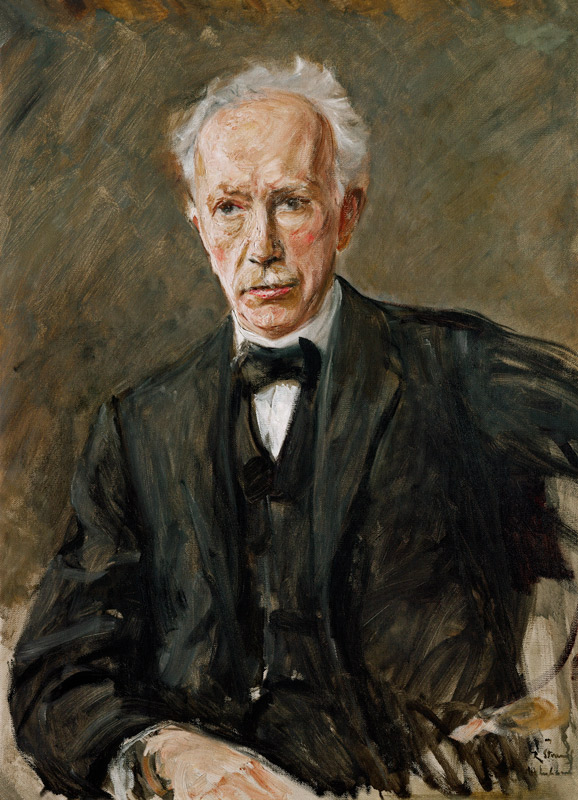
Composers like Richard Strauss expanded orchestral color to extremes.
Gustav Mahler bridged Romanticism and early modernism.
These developments prepared the ground for Impressionism and early 20th-century experimentation.
Romanticism thus served as both culmination and transformation.
The Lasting Legacy of Romanticism in Classical Music
Romanticism remains central to concert programming worldwide. Symphonies, piano concertos, chamber works, and art songs from this era define much of today’s repertoire.
For orchestras, Romantic music provides expansive emotional landscapes. For pianists, it offers technical brilliance and poetic introspection. Guitarists, it shapes expressive interpretation and transcription tradition.
Romanticism in classical music continues to resonate because it speaks directly to human experience. Its melodies endure. Harmonies still surprise. Its emotional sincerity transcends time.
At ClassicalAurum.com, Romantic repertoire is not simply historical study—it is a living tradition of expressive authenticity and artistic courage.