
The Role of the Performer in Classical Music
Classical music is often perceived as a fixed art form, preserved in written scores and historical traditions. Yet, at its core, it is a living discipline, constantly reshaped by those who bring it to life: the performers. Without them, the works of the past would remain silent symbols rather than vibrant artistic experiences.
The performer is not merely an executor of notes. They are an interpreter, mediator, and creator, bridging centuries of musical thought with present-day audiences. Their role defines how we experience music, how we understand composers, and ultimately, how classical music evolves.
The Performer as an Interpreter of the Score
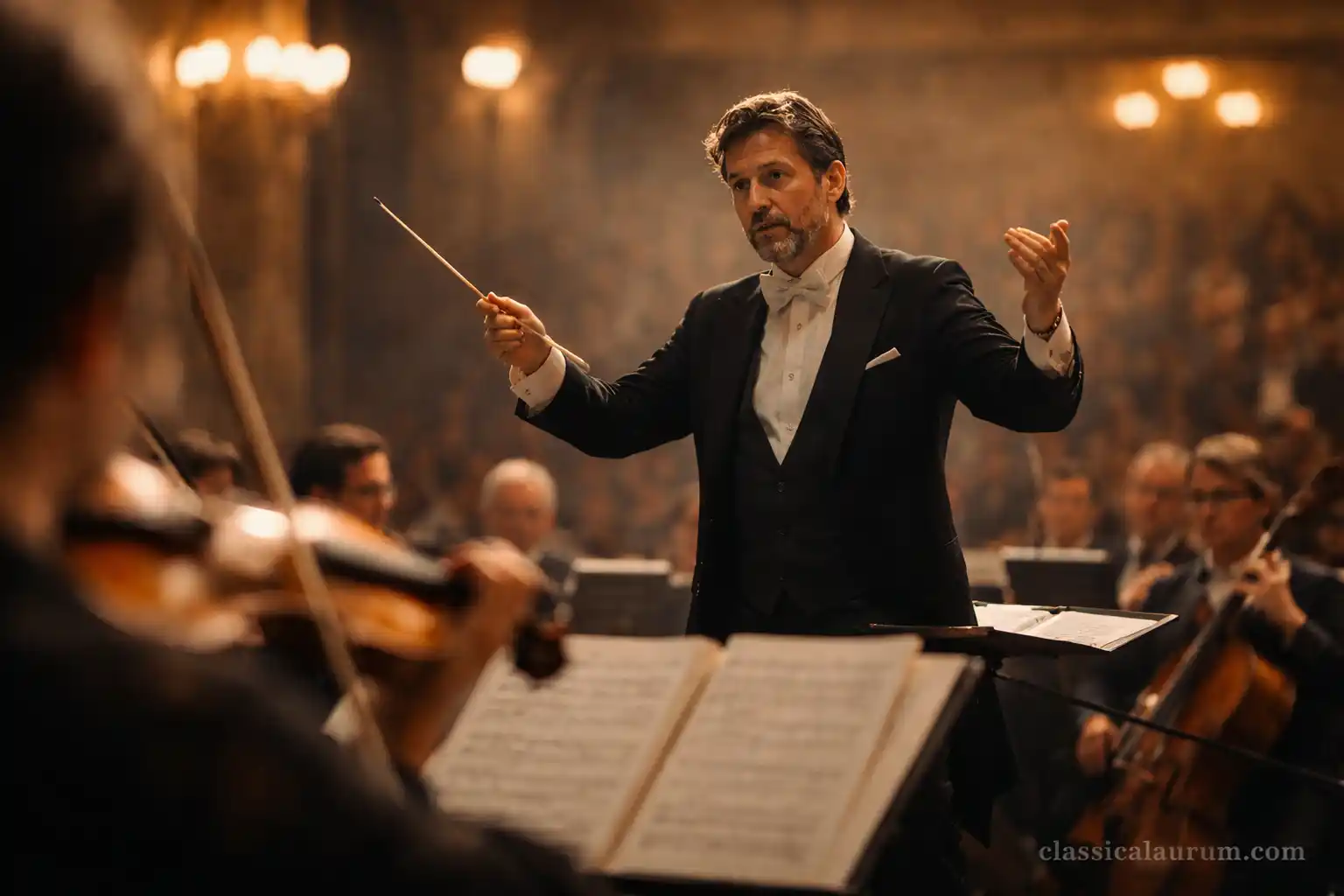
A musical score is often mistaken for the music itself. In reality, it is a framework, a coded system that requires human interpretation.
Every marking—dynamics, tempo, articulation—offers guidance, but never absolute clarity. This is where the performer steps in. Through phrasing, timing, and tonal choices, they transform notation into expressive meaning.
Two performers can play the same piece and produce entirely different emotional landscapes. A pianist may approach a passage with introspective restraint, while another emphasizes its dramatic tension. Neither is inherently correct; both are valid artistic readings.
This interpretative freedom is not arbitrary. It is grounded in:
- Historical awareness
- Stylistic understanding
- Technical mastery
- Personal artistic vision
In this sense, the performer becomes a co-author of the musical experience, shaping how the audience perceives the work.
Bridging Composer and Audience
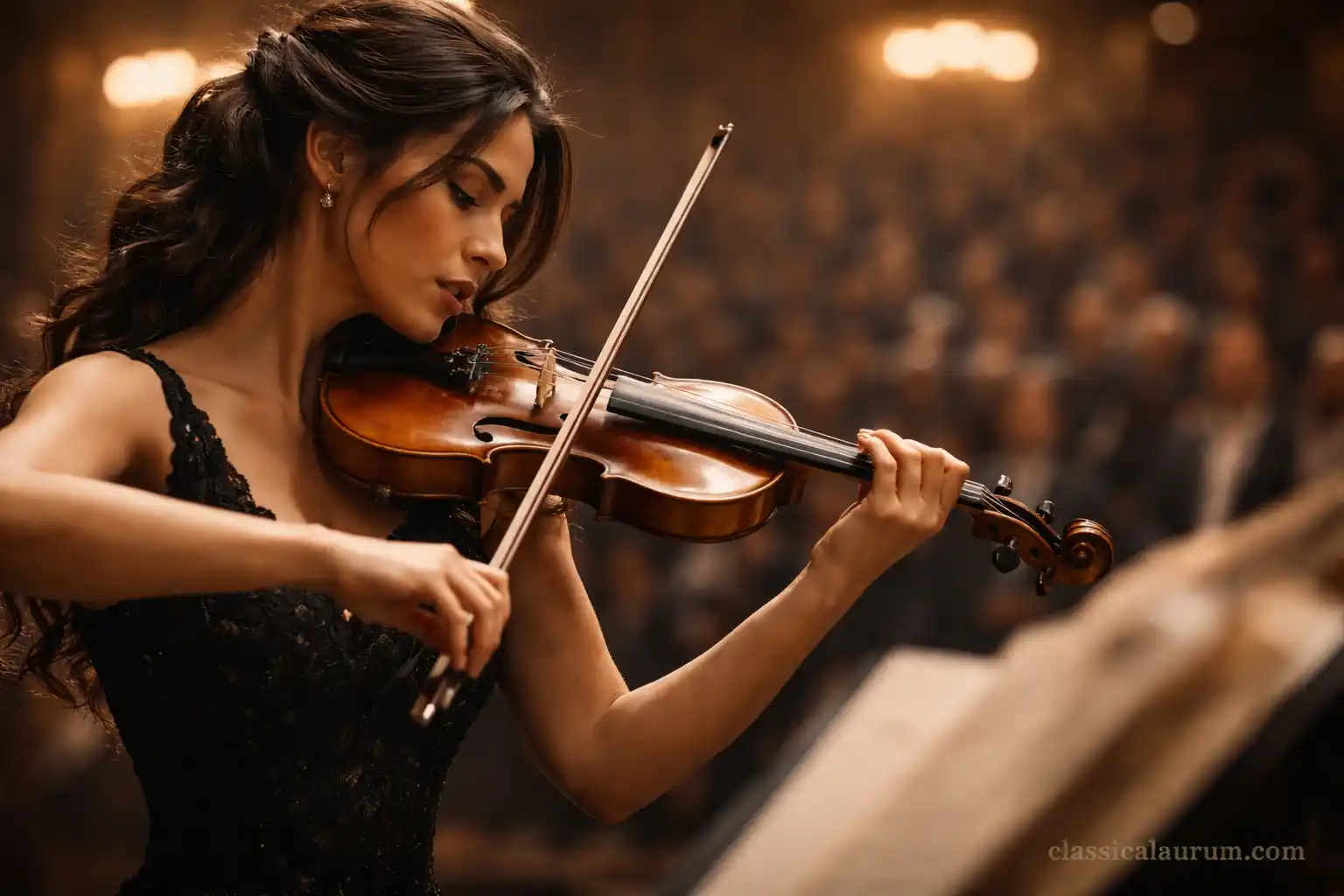
The performer occupies a unique position between composer and listener. They translate abstract ideas into sound, making music accessible across time and culture.
A composer writes within a specific historical and emotional context. The audience, however, exists in the present. The performer must reconcile these worlds.
This involves:
- Conveying the intent of the composer
- Adapting expression to modern sensibilities
- Maintaining authenticity without rigidity
For example, performing a Baroque piece requires understanding ornamentation and stylistic nuance. Yet, it must also resonate emotionally with today’s listener.
The performer becomes a cultural translator, ensuring that music written centuries ago continues to speak with relevance and immediacy.
Technique as a Vehicle, Not a Goal
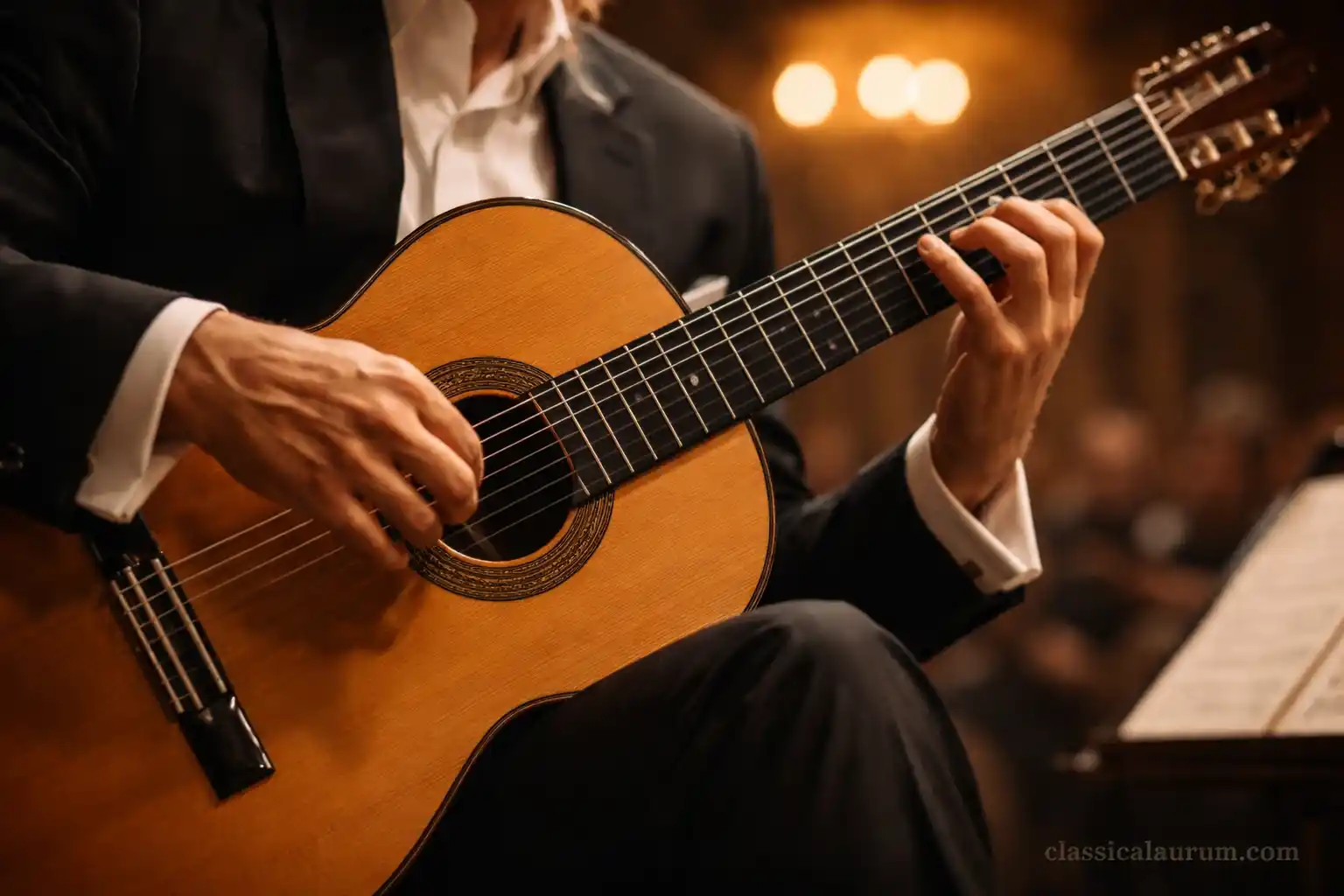
Technical skill is essential in classical music, but it is not the ultimate objective. It is the means through which expression becomes possible.
A flawless performance without emotional depth feels empty. Conversely, a deeply expressive interpretation can transcend minor technical imperfections.
The true role of technique is to:
- Enable freedom of expression
- Support clarity of musical ideas
- Remove physical limitations between intention and sound
Mastery allows the performer to move beyond mechanics and enter a state where music flows naturally. This is often described as musical transcendence, where the performer and the music become inseparable.
In the context of ClassicalAurum.com, this aligns with the pursuit of artistry over perfection, emphasizing depth, nuance, and authenticity.
The Performer as a Creative Artist
Contrary to the belief that classical performers simply reproduce existing works, they are deeply creative individuals.
Creativity in performance manifests through:
- Interpretative decisions
- Tone color shaping
- Dynamic architecture
- Temporal flexibility (rubato)
Each performance is a unique event, even when the same piece is played repeatedly.
This creative role becomes even more evident in:
- Transcriptions (e.g., adapting piano works for guitar)
- Improvisation traditions (historically common in classical music)
- Personal stylistic signatures
For a guitarist, for example, transcribing a piano piece involves reimagining textures, voicing, and resonance. This is not reproduction—it is recomposition through interpretation.
Thus, the performer is not secondary to the composer. They are a parallel creative force.
Historical Evolution of Performance Practice
The role of the performer has evolved significantly throughout history.
In earlier periods:
- Performers often improvised freely
- Composers and performers were frequently the same person
- Interpretation was expected to be flexible
During the 19th and early 20th centuries:
- A shift toward fidelity to the score emerged
- Performers were seen as guardians of the composer’s intentions
In modern times:
- There is a renewed balance between authenticity and individuality
- Historically informed performance (HIP) coexists with modern interpretations
Today’s performer must navigate a complex landscape:
- Respect historical practices
- Incorporate modern technique
- Develop a personal voice
This evolution highlights that performance is not static—it is a dynamic dialogue between past and present.
Emotional Communication and Human Connection
At its deepest level, music is a form of emotional communication. The performer is the conduit through which this communication occurs.
Unlike recorded sound, live performance introduces:
- Human presence
- Spontaneity
- Shared emotional space
The performer senses the audience and responds in real time. This interaction creates a feedback loop of energy and expression.
A powerful performance can:
- Evoke memories
- Trigger introspection
- Create a sense of collective experience
This emotional dimension cannot be fully captured by notation or technology. It exists only through the performer’s ability to channel and transmit feeling.
The Performer’s Identity and Artistic Voice
Every performer develops a unique artistic identity. This identity is shaped by:
- Personal experiences
- Cultural background
- Musical influences
- Philosophical outlook
Over time, this becomes a recognizable artistic voice.
Listeners often connect not just with the music, but with the performer’s interpretation of it. This is why certain performances become iconic—they reveal something deeply personal and authentic.
Developing this voice requires:
- Continuous exploration
- Openness to change
- Willingness to take artistic risks
For ClassicalAurum.com, this aligns with the idea of refined individuality, where tradition meets personal expression.
Technology and the Modern Performer
Technology has transformed the role of the performer in significant ways.
Recording allows performances to be:
- Preserved
- Analyzed
- Distributed globally
Digital platforms enable performers to reach audiences beyond concert halls. However, this also introduces challenges:
- Increased pressure for perfection
- Standardization of interpretation
- Reduced emphasis on spontaneity
Despite these changes, the essence of performance remains unchanged. The performer must still create meaningful musical experiences.
In fact, technology amplifies the importance of authenticity. In a world saturated with recordings, what stands out is not perfection, but genuine artistic presence.
The Performer as a Custodian of Tradition
Performers play a crucial role in preserving and transmitting musical heritage.
Through their work, they:
- Keep historical repertoire alive
- Introduce audiences to lesser-known works
- Maintain stylistic continuity
This responsibility extends beyond accuracy. It involves understanding the spirit of the music and conveying it with integrity.
At the same time, performers must avoid turning tradition into rigidity. True preservation allows for evolution and reinterpretation.
This balance between continuity and innovation defines the modern performer’s role.
Conclusion: The Performer as the Heart of Classical Music
Classical music does not exist solely in scores or recordings. It lives through those who perform it.
The performer is:
- An interpreter of ideas
- A bridge across time
- A creative artist
- A communicator of emotion
- A guardian of tradition
Their role is both technical and deeply human. They transform written symbols into living sound, connecting composer and audience in a shared moment of meaning.
In the world of ClassicalAurum.com, this perspective is essential. It places the performer at the center of the musical experience, not as a secondary figure, but as the true catalyst of artistic life.