





Stradivarius and the Violin Myth
The Name That Became a Legend
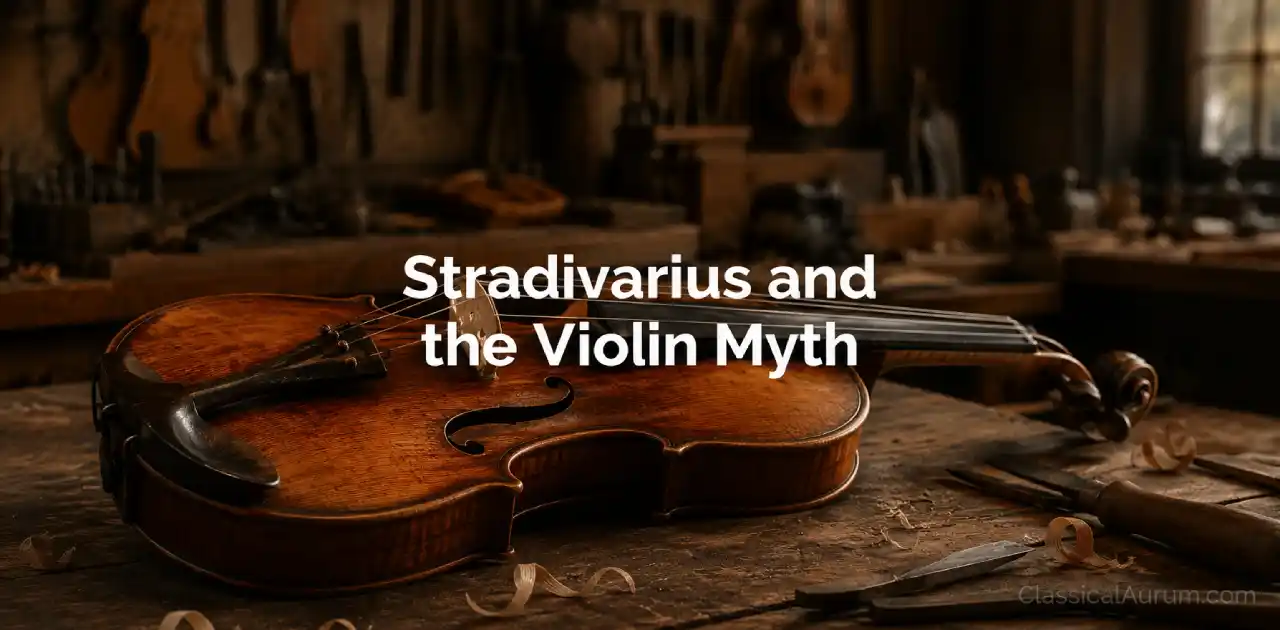
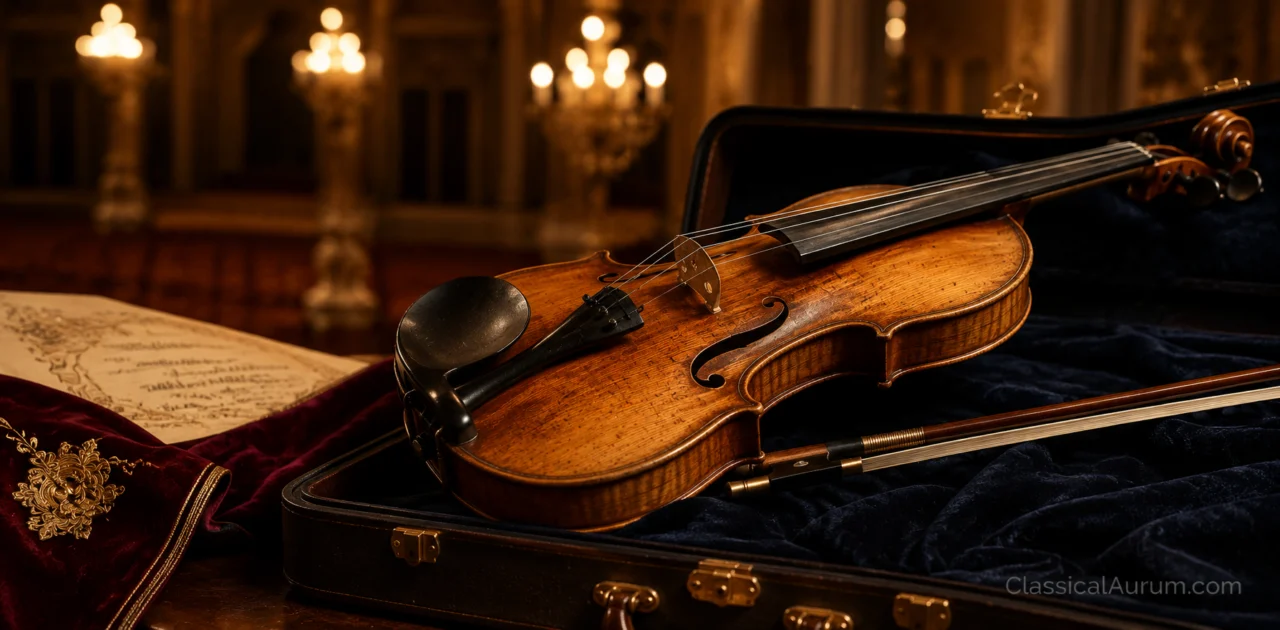
Few names in the history of music carry the same aura as Stradivarius. Even outside the world of classical music, the word instantly evokes ideas of perfection, rarity, and almost supernatural craftsmanship. Musicians, collectors, and audiences have spent centuries wondering whether the legendary violins built by Antonio Stradivari truly possess qualities that modern instruments cannot reproduce.
The fascination goes far beyond sound alone. A Stradivarius violin represents history, prestige, artistry, and cultural mythology. These instruments are treated almost like sacred objects within the classical tradition. They appear in documentaries, auctions, museum collections, and concert halls across the world. Their prices continue to rise, and their mystique only grows stronger with time.
At the same time, modern scientific studies have challenged many long-held assumptions. Blind listening experiments have repeatedly shown that even professional violinists sometimes struggle to distinguish a Stradivarius from a high-quality modern violin. This contradiction has only deepened the mystery. If modern instruments can rival them acoustically, why do Stradivari violins remain the ultimate symbol of violin excellence?
The answer lies somewhere between craftsmanship, psychology, cultural memory, and musical tradition. The Stradivarius myth is not simply about whether the violins sound better. It is about how societies create legends around objects that survive centuries and continue to shape artistic identity.
For readers of Classical Aurum, the story of Stradivarius is also a reflection of how classical music preserves its connection to the past while constantly redefining artistic value in the present.
Antonio Stradivari and the Golden Age of Cremona
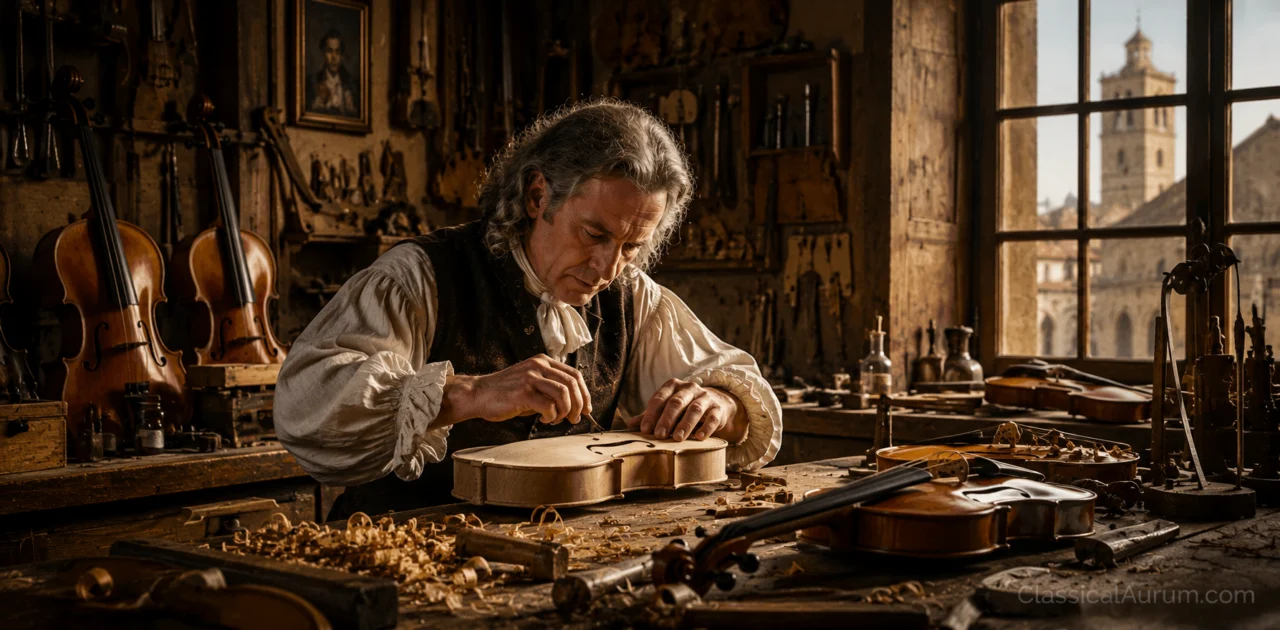
Antonio Stradivari was born around 1644 in Cremona, Italy, a city that became synonymous with violin making during the Baroque period. Cremona produced several legendary luthier families, including the Amatis and the Guarneris, but Stradivari eventually emerged as the most celebrated of them all.
His workshop operated during what many historians describe as the “Golden Age” of violin making. Between approximately 1700 and 1725, Stradivari created instruments that would later become some of the most valuable objects in the history of music. Each violin displayed remarkable precision, elegant proportions, and extraordinary attention to detail.
The violins were not only visually beautiful. They were also designed to project sound effectively in increasingly large performance spaces. During the late Baroque and early Classical periods, public concerts became more common, and musicians needed instruments capable of greater projection and clarity.
One reason the Stradivarius myth endured is that many of these violins survived in exceptional condition. Wealthy collectors and patrons protected them carefully over generations. Unlike many historical instruments that disappeared or deteriorated, Stradivari violins became preserved symbols of artistic continuity.
The city of Cremona itself also played a role in shaping the legend. The region developed a specialized culture of wood selection, varnish preparation, and instrument construction techniques. Some researchers even speculate that climatic conditions during the so-called “Little Ice Age” affected tree growth in ways that influenced the density of the wood used by Stradivari and his contemporaries.
Despite centuries of research, no single explanation has fully solved the mystery. Some experts attribute the sound to varnish composition. Others focus on wood treatment, geometric proportions, or craftsmanship methods. The lack of definitive answers continues to fuel fascination around the Stradivarius legacy.
Science Versus Myth in the Modern Era
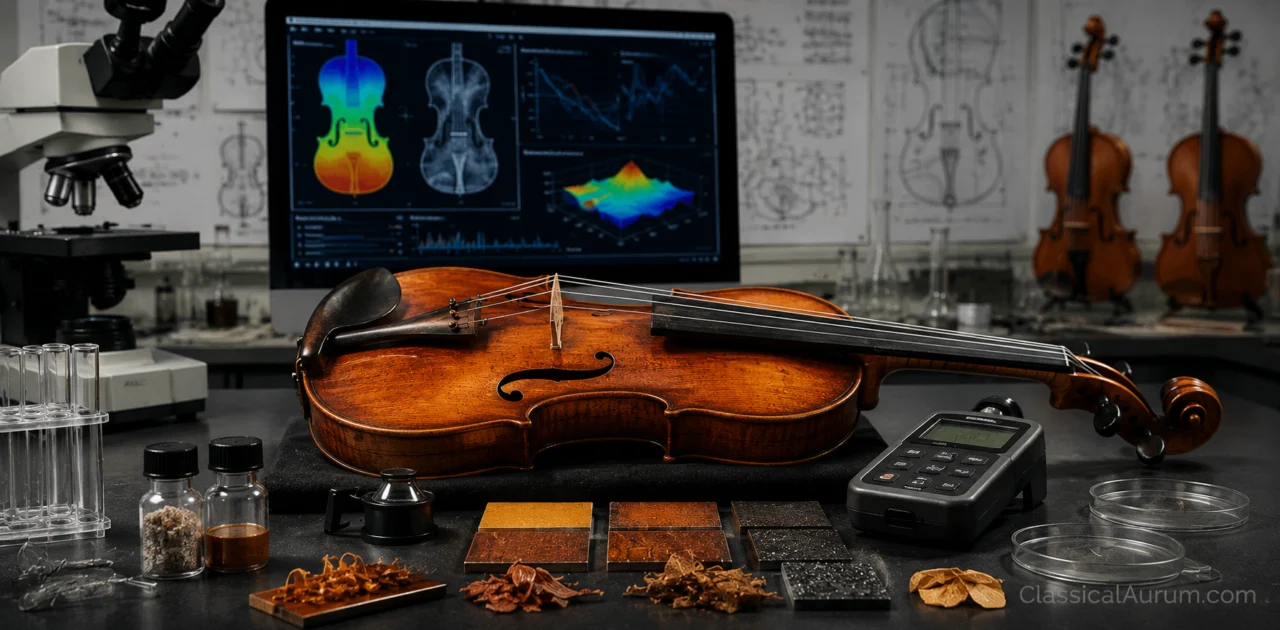
Modern technology has allowed researchers to study Stradivarius violins in extraordinary detail. CT scans, chemical analysis, acoustic modeling, and vibration mapping have all been used to examine what makes these instruments unique.
Yet the results have often been surprising. Several blind tests conducted in recent decades revealed that professional violinists sometimes preferred modern violins over antique Stradivari instruments when they did not know which violin they were playing. These findings generated intense debate within the classical music community.
Some musicians argued that blind tests cannot fully capture the experience of performing on a historic instrument. Others claimed that the psychological influence of reputation plays a significant role in audience perception. The discussion exposed a fascinating tension between measurable acoustics and emotional interpretation.
The violin myth also reflects the broader human tendency to idealize the past. Many art forms preserve narratives about lost perfection. In painting, architecture, and music, historical masterpieces are often viewed as impossible to surpass. Stradivarius violins fit perfectly into this pattern.
However, modern luthiers have achieved astonishing levels of craftsmanship. Contemporary violin makers now possess advanced tools, precise measurements, and centuries of accumulated knowledge. Some modern instruments are capable of extraordinary projection, warmth, and tonal complexity.
This does not diminish the importance of Stradivari. Instead, it changes the conversation. The true value of these instruments may not lie in an objectively superior sound alone. Their significance comes from the combination of artistry, history, rarity, and cultural symbolism.
For many performers, holding a Stradivarius creates a psychological and emotional connection to centuries of musical tradition. A violin once played by legendary musicians carries stories within its wood. That sense of continuity cannot be measured with laboratory equipment.
The Cultural Power of Rare Instruments
The market value of Stradivarius violins has reached astonishing levels. Some instruments have sold for millions of dollars, making them among the most expensive musical instruments ever created. Wealthy collectors, foundations, and institutions often purchase them as cultural investments.
This financial dimension contributes heavily to the myth. Extreme prices reinforce the perception that these violins must possess extraordinary qualities. In reality, rarity itself creates value. Only around 650 Stradivari instruments are believed to survive today, including violins, violas, cellos, and guitars.
The media also amplifies the legend. Headlines describing “the world’s greatest violin” attract attention even among people with little connection to classical music. Films, documentaries, and auction stories continue to romanticize the image of the master luthier working alone in his workshop centuries ago.
Classical performers often become associated with the instruments they play. Famous soloists borrowing historic Stradivari violins from foundations or patrons adds another layer of prestige. Audiences frequently perceive the instrument as part of the performer’s artistic identity.
At the same time, some musicians challenge the obsession with historical instruments. They argue that modern makers deserve greater recognition and that young artists should not feel inferior simply because they do not perform on multimillion-dollar violins.
This debate raises important questions about authenticity and artistic value. Does greatness come from the instrument itself, or from the musician who brings it to life? Classical music history suggests that technique, interpretation, discipline, and imagination matter far more than mythology alone.
Still, myths survive because they fulfill emotional needs. The Stradivarius story offers audiences a sense of continuity in an era of rapid technological change. In a digital world dominated by disposable trends, these handcrafted instruments symbolize permanence and artistic devotion.
Why the Stradivarius Myth Endures
The enduring fascination with Stradivarius violins ultimately reveals something profound about human culture. People do not simply seek technical perfection. They seek stories, meaning, and emotional connection.
A Stradivarius violin represents the idea that human craftsmanship can transcend time. It embodies patience, mastery, and artistic dedication developed across generations. Even if modern science cannot fully confirm every legendary claim, the symbolic power of these instruments remains undeniable.
The myth also reflects the emotional nature of music itself. Sound is never experienced purely as physics. Memory, expectation, atmosphere, and personal perception all shape how listeners interpret a performance. Knowing that a violin was built more than 300 years ago by Antonio Stradivari changes the way many people experience its sound.
For Classical Aurum readers, the Stradivarius phenomenon offers an important reminder about the relationship between tradition and innovation. Classical music continues to evolve, yet it remains deeply connected to historical memory. The greatest performances emerge not from nostalgia alone, but from the dialogue between past and present.
Modern violin makers continue refining their craft. Young performers continue redefining interpretation. New audiences continue discovering the emotional power of string music. The future of violin artistry will not depend solely on preserving old myths, but on understanding why those myths continue to inspire people across centuries.
Stradivarius violins may or may not possess magical acoustic secrets. What is undeniable is their ability to capture the imagination of the world. Few objects in musical history have achieved such symbolic influence.
In the end, perhaps the real mystery is not hidden inside the varnish or the wood. Perhaps the true secret of the Stradivarius legend lies in humanity’s endless search for beauty that feels timeless.
About the Author
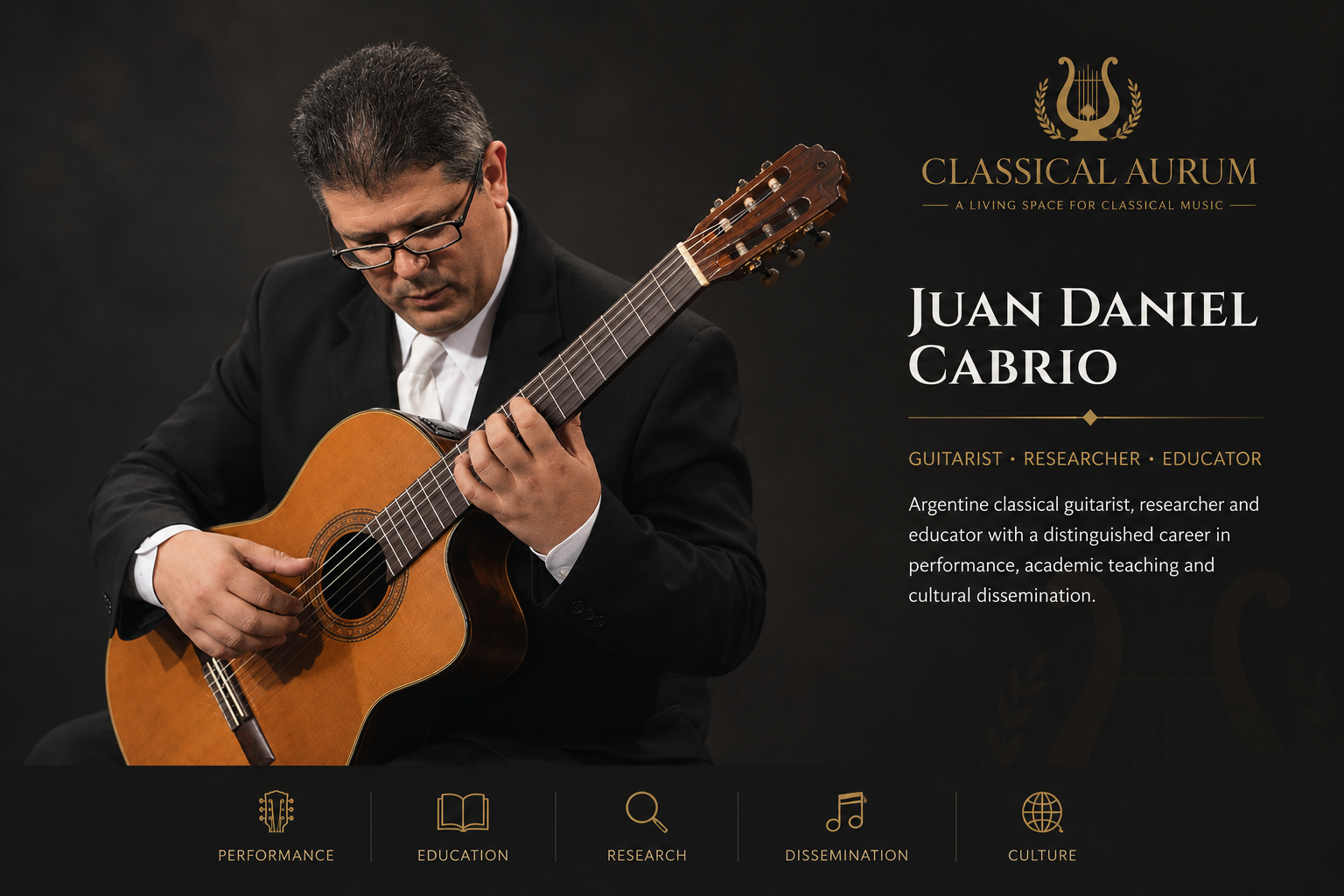
Juan Daniel Cabrio
Argentine Classical Guitarist · Researcher · Educator
Juan Daniel Cabrio is an Argentine classical guitarist, researcher and educator. Founder of Classical Aurum, he shares educational and cultural content about classical music, composers, instruments, repertoire, music history and performance practice.
View full biography