
How Opera Tells Stories Through Music
Opera remains one of the most powerful artistic forms ever created because it combines music, theater, poetry, visual art, and human emotion into a single experience. Unlike spoken drama, opera communicates feelings not only through words, but through melody, harmony, rhythm, orchestration, and silence. A single aria can reveal more about a character’s inner world than pages of dialogue.
For centuries, composers have used opera to explore love, tragedy, ambition, fear, political conflict, spirituality, and the fragility of human nature. From the intimate emotional landscapes of Mozart to the monumental psychological worlds of Wagner and Verdi, opera continues to shape how audiences experience storytelling through sound.
At its deepest level, opera is not simply entertainment. It is a form of musical storytelling capable of transforming emotion into architecture, creating dramatic journeys that remain timeless even in the modern digital age.
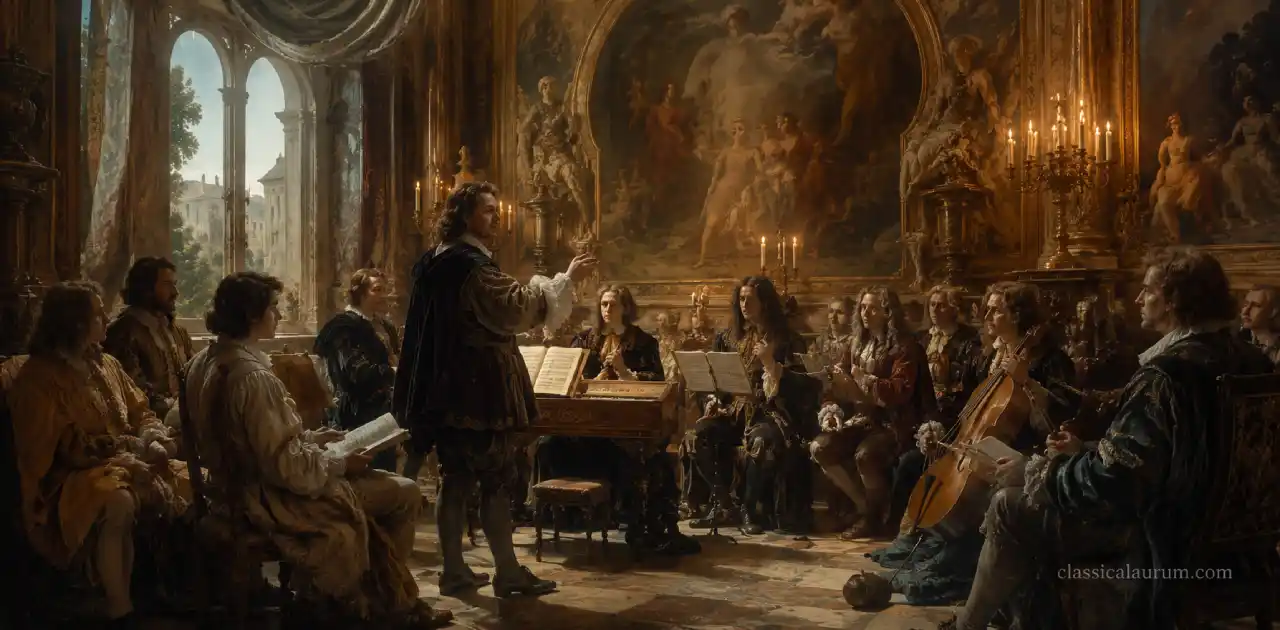
Related: From Monteverdi to Wagner
The Origins of Operatic Storytelling
Opera emerged in late Renaissance Italy during the late 16th century. Intellectuals and musicians believed ancient Greek drama had once been sung rather than spoken, and they attempted to recreate that emotional intensity through music. What began as an artistic experiment quickly evolved into one of the most influential traditions in Western culture.
Early operas focused heavily on mythological subjects and emotional expression. Composers realized that music could amplify drama in ways ordinary theater could not. A trembling string section could communicate fear before a character even spoke. Sudden harmonic changes could reveal betrayal or heartbreak instantly.
Related: Opera as a Total Art Form
This innovation changed storytelling forever. Opera allowed audiences to experience emotion on multiple levels simultaneously. The words carried the literal meaning, while the music exposed the emotional truth underneath.
As opera spread across Europe, different national traditions emerged. Italian opera emphasized vocal beauty and emotional immediacy. German opera explored philosophy and myth. French opera developed elaborate orchestral colors and grand staging. Each tradition approached storytelling differently, yet all relied on the same central idea: music could become narrative itself.
Today, many historians consider opera one of the foundations of cinematic storytelling because modern film scores still use techniques developed centuries ago in opera houses.
The Human Voice as a Dramatic Instrument
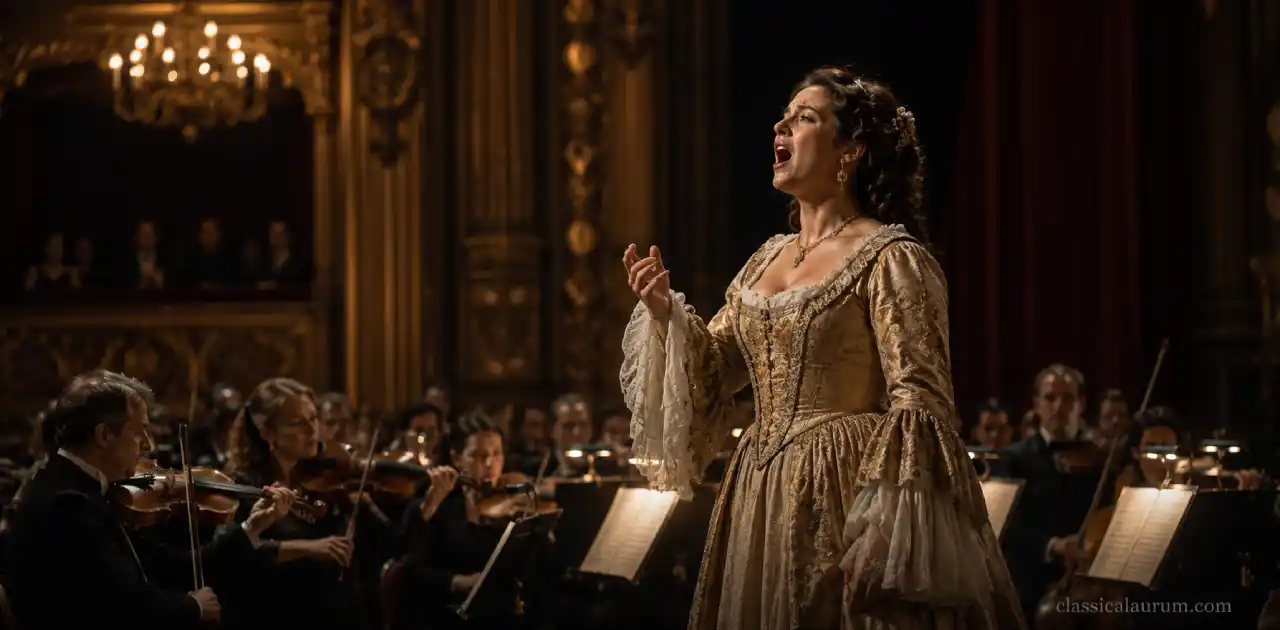
The voice is the center of opera because it represents the emotional core of the story. In opera, singing is not decoration. It is psychological revelation.
Different vocal types traditionally symbolize different emotional or dramatic roles. Sopranos often portray innocence, passion, or tragedy. Tenors frequently embody heroism and vulnerability. Baritones can represent authority, conflict, or moral ambiguity. Basses often suggest power, age, or destiny.
These traditions evolved naturally because composers understood the emotional character of each vocal range.
A soprano’s soaring high notes can communicate desperation or transcendence. A dark baritone phrase can create tension before the audience fully understands why. Even the physical effort of singing contributes to the drama. Audiences hear the strain, breath, and intensity behind the sound.
Opera also transforms language into musical rhythm. Composers carefully shape melodic lines around emotional meaning. Short fragmented phrases may suggest anxiety. Long lyrical melodies can express longing or nostalgia.
This connection between text and music allows opera to communicate emotions beyond literal translation. Even audiences unfamiliar with Italian, German, or French often understand the emotional direction instinctively because the orchestra and vocal writing guide them through the psychological landscape.
The Orchestra as an Invisible Narrator
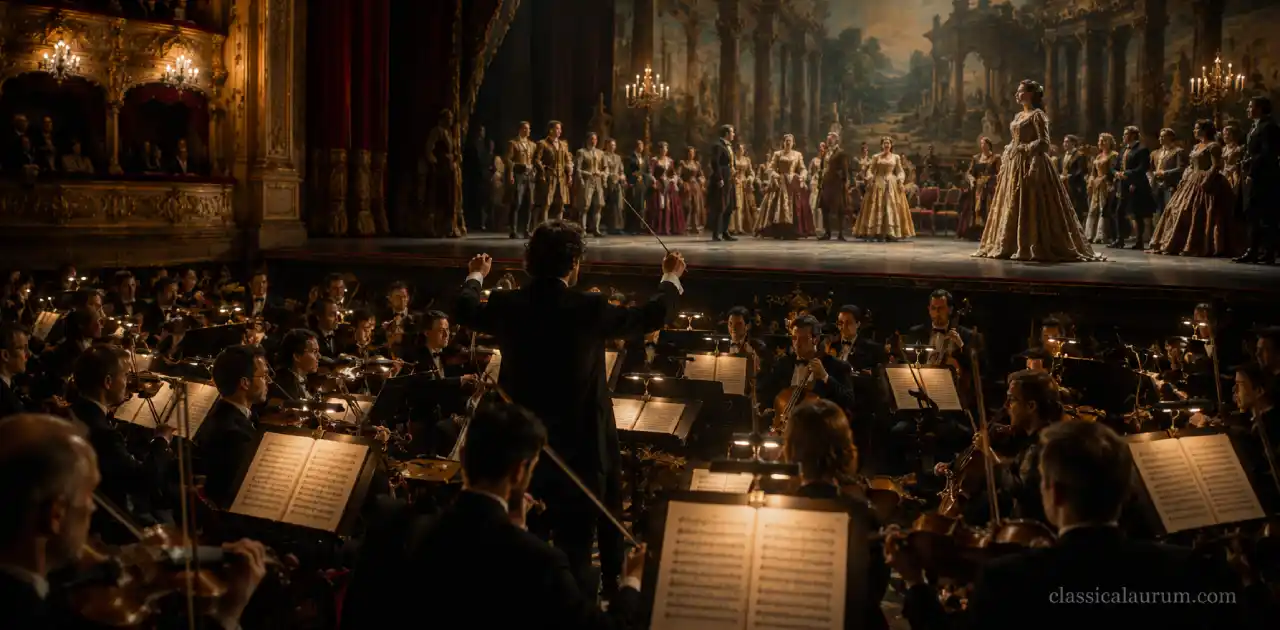
One of opera’s greatest storytelling powers lies in the orchestra. While singers represent visible characters, the orchestra frequently acts as an invisible narrator revealing hidden truths.
In many operas, the orchestra foreshadows tragedy long before it occurs. Certain instruments become associated with specific emotions or characters. This technique later influenced film music and modern cinematic scoring.
Richard Wagner expanded this idea through the use of leitmotifs, recurring musical themes connected to characters, ideas, or emotional states. When these themes return later in altered forms, audiences subconsciously recognize emotional or dramatic changes.
A love theme played softly by the strings may later reappear with brass and percussion during a tragic climax, transforming its emotional meaning entirely.
Verdi used orchestration differently. His operas often create dramatic momentum through rhythmic intensity and sharp contrasts between public spectacle and private emotion. Puccini, meanwhile, mastered orchestral atmosphere, creating cinematic emotional worlds decades before film became dominant.
The orchestra can also communicate what characters cannot say openly. During moments of deception, the vocal line may sound calm while the orchestra reveals hidden anxiety underneath. This dual storytelling creates emotional complexity impossible in ordinary spoken drama.
At its highest level, opera becomes a dialogue between voice and orchestra, where both layers tell complementary stories simultaneously.
Aria, Recitative, and Dramatic Structure
Opera storytelling relies heavily on structural contrast. Two of its most important forms are the aria and the recitative.
Recitative moves the plot forward. It resembles heightened speech supported by minimal accompaniment. Characters exchange information, argue, confess secrets, or explain events quickly. This creates narrative momentum.
The aria interrupts that momentum intentionally. Instead of advancing external action, it explores internal emotion. Time seems to pause while a character reflects, dreams, mourns, or celebrates.
This structure allows opera to balance storytelling with emotional depth.
A character facing betrayal may explain the situation briefly in recitative. Then the aria begins, expanding a single emotional moment into an intense psychological experience. The audience no longer watches events objectively. They experience the character’s emotional reality directly through music.
Over time, composers blurred the boundaries between these forms. Mozart integrated drama and music more naturally. Wagner almost eliminated traditional arias entirely, preferring continuous musical flow. Puccini fused lyrical melody with cinematic pacing.
Despite these changes, the core principle remained constant: opera transforms emotion into musical architecture.
This approach differs profoundly from modern storytelling, which often prioritizes speed. Opera values emotional expansion. It invites audiences to inhabit feelings deeply rather than simply observe them.
Love, Death, and Human Conflict in Opera
Opera frequently explores extreme emotions because music magnifies emotional intensity more effectively than ordinary speech.
Love is perhaps the most common operatic subject, yet opera rarely presents love as simple happiness. Instead, it examines obsession, sacrifice, jealousy, longing, and transcendence. In many classic operas, love becomes inseparable from suffering.
Death also occupies a central place in operatic storytelling. Composers often use death scenes to create profound emotional catharsis. Through music, tragedy can become strangely beautiful and spiritually transformative.
This emotional intensity explains why opera continues to resonate across generations. Although historical costumes and settings may appear distant, the emotional experiences remain universal.
Political conflict is another recurring theme. Many operas explore tensions between individual freedom and social authority. Verdi’s works often reflected national identity and resistance. Beethoven’s Fidelio celebrated liberation and moral courage. Russian operas frequently examined power and historical destiny.
Opera also confronts psychological complexity. Characters are rarely entirely heroic or villainous. Through music, audiences hear conflicting emotions unfolding simultaneously.
A character may sing words of confidence while the orchestra reveals fear beneath the surface. Another may express cruelty through beautiful music, creating unsettling emotional ambiguity.
This complexity makes opera uniquely capable of portraying the contradictions of human nature.
Stage Design and Visual Symbolism
Although music drives opera emotionally, visual design shapes the dramatic environment surrounding the story.
Opera staging has evolved enormously over centuries. Early productions emphasized grandeur and spectacle. Modern directors often favor psychological symbolism or minimalist aesthetics.
Lighting, costume, and set design influence how audiences interpret the music. A dark stage with minimal scenery can intensify emotional intimacy. Monumental architecture can transform personal conflict into epic tragedy.
Contemporary productions sometimes reinterpret classic operas in modern settings. Traditionalists occasionally resist these changes, yet reinterpretation has always existed in opera history. Each generation seeks new ways to connect timeless stories with contemporary audiences.
Visual symbolism can also reinforce musical themes. Colors, movement, and spatial design often mirror orchestral moods or character psychology.
An isolated figure standing under cold light while distant strings play softly creates emotional meaning even before words emerge.
This fusion of visual and musical storytelling makes opera one of the most immersive artistic experiences ever developed.
Why Opera Still Matters in the Digital Age
Some people mistakenly view opera as a relic of the past, disconnected from modern life. In reality, opera continues to influence contemporary culture profoundly.
Film music owes an enormous debt to opera. Many cinematic techniques associated with emotional storytelling originated in opera orchestration and dramatic pacing. Composers like John Williams, Hans Zimmer, and Ennio Morricone inherited traditions shaped by Wagner, Puccini, and Verdi.
Streaming platforms and digital broadcasts have also expanded opera’s global reach. Audiences no longer need to visit historic opera houses physically to experience world-class performances.
At the same time, opera offers something increasingly rare in modern culture: sustained emotional attention. Modern media often fragments concentration through rapid editing and constant distraction. Opera demands patience and immersion.
This depth can feel transformative.
Opera also preserves the power of live acoustic sound. In an age dominated by digital compression and algorithmic playlists, hearing an unamplified human voice fill a theater creates a profoundly physical experience.
Younger generations are beginning to rediscover opera through film, gaming, social media clips, and crossover collaborations. Viral performances and cinematic productions have introduced new audiences to classical vocal traditions.
As cultural attention spans shrink, opera may become even more valuable precisely because it resists superficial consumption.
The Emotional Universality of Opera
Opera transcends language because emotion itself becomes musical.
A listener may not understand every word of an Italian libretto, yet still feel heartbreak during a Puccini aria or terror during a Wagner climax. Music communicates emotional structure directly to the nervous system.
Scientific studies increasingly suggest that music activates emotional and memory centers in uniquely powerful ways. Opera combines these effects with narrative and visual symbolism, creating extraordinary emotional immersion.
This explains why opera audiences often describe performances as overwhelming or unforgettable. Opera does not simply tell stories intellectually. It creates emotional environments audiences inhabit temporarily.
Certain operatic moments become almost mythic because they capture universal human experiences so completely. The loneliness of abandonment. Ecstasy of love. The fear of death. The longing for redemption.
These emotions remain timeless regardless of changing technology or social trends.
At ClassicalAurum.com, opera represents more than historical tradition. It represents the enduring capacity of music to reveal what words alone cannot fully express.
Opera and the Future of Musical Storytelling
The future of opera will likely involve both preservation and reinvention.
Traditional productions will continue honoring historical performance practices and legendary interpretations. At the same time, younger composers and directors are exploring new forms of operatic storytelling involving multimedia technology, experimental staging, and contemporary themes.
Artificial intelligence, immersive projection systems, and virtual environments may eventually reshape opera production itself. Yet the essential foundation will remain unchanged: the human voice communicating emotional truth through music.
Opera’s survival across more than four centuries demonstrates its extraordinary adaptability. Political revolutions, technological upheavals, and cultural transformations have altered society repeatedly, yet opera continues evolving.
Its endurance comes from its emotional honesty.
Opera reminds audiences that music is not merely entertainment or background sound. Music can become memory, identity, conflict, spirituality, and emotional revelation all at once.
In many ways, opera remains one of humanity’s greatest artistic attempts to transform inner emotion into shared experience.
And perhaps that is why opera still matters today.
Because even in an age dominated by algorithms, screens, and accelerated communication, human beings still search for stories capable of making them feel profoundly alive.
About the Author
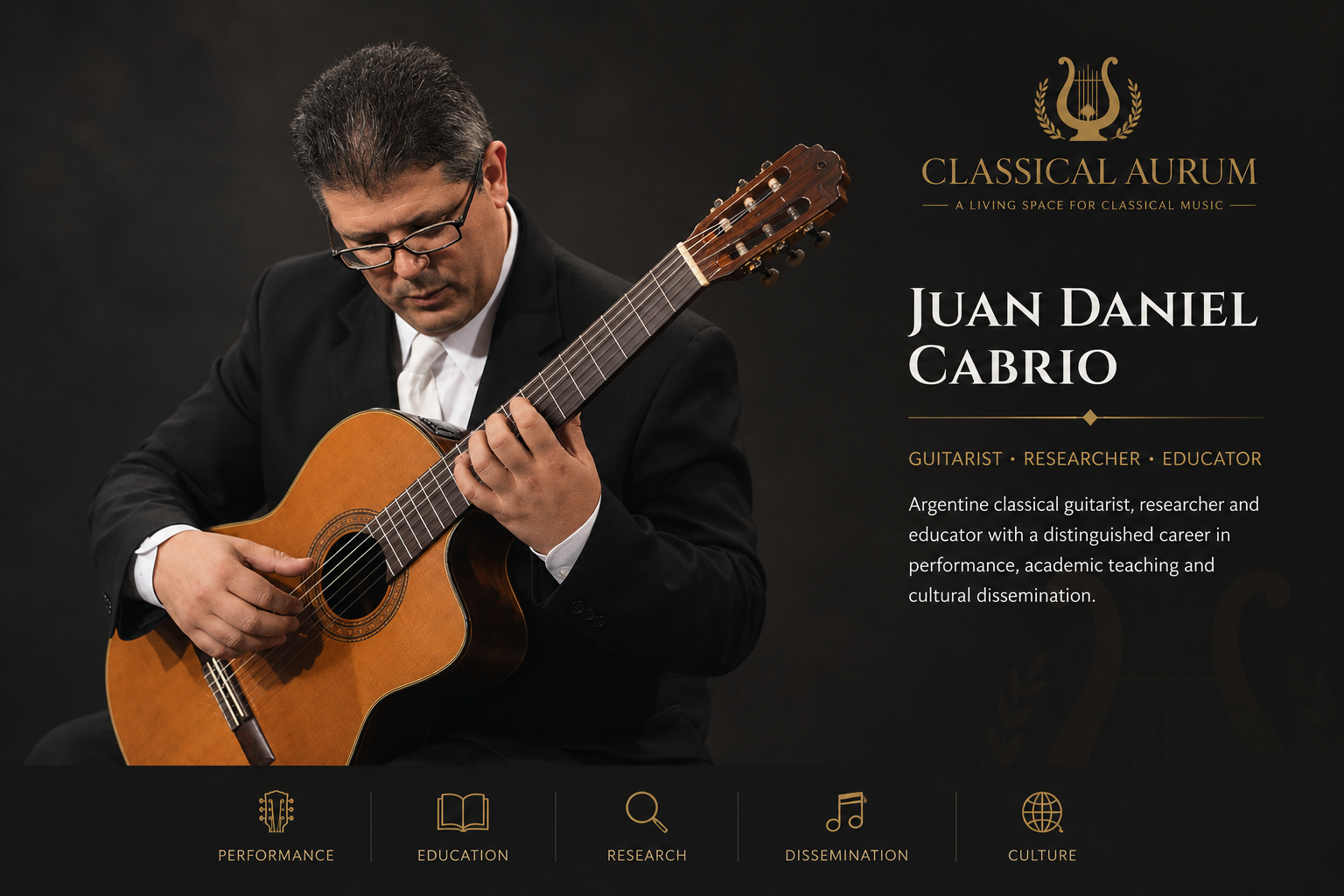
Juan Daniel Cabrio
Argentine Classical Guitarist · Researcher · Educator
Juan Daniel Cabrio is an Argentine classical guitarist, researcher and educator. Founder of Classical Aurum, he shares educational and cultural content about classical music, composers, instruments, repertoire, music history and performance practice.
View full biography