
How Performers Shape Musical Meaning
The Performer as Interpreter: Beyond the Written Score
Classical music begins as notation. Notes, rhythms, and markings exist as symbols on a page. Yet these symbols are not the music itself. They are instructions, frameworks, and possibilities. The transformation of these markings into sound depends entirely on the performer.
A composer may define pitch and structure, but musical meaning emerges in performance. This is where interpretation begins. Tempo choices, phrasing decisions, articulation, and dynamics are not fixed realities. They are negotiated by the performer in real time.
The score of a Beethoven sonata, for example, does not dictate a single emotional narrative. It provides a map. The performer decides whether that journey feels turbulent, restrained, lyrical, or explosive. Two interpretations of the same piece can feel like entirely different works.
This interpretive freedom is not arbitrary. It is rooted in historical awareness, stylistic knowledge, and artistic intuition. Performers must balance fidelity to the composer with personal expression. This tension defines classical performance itself.
Related: The Role of the Conductor
Ultimately, the performer acts as a bridge between composer and listener. Without this mediation, the score remains silent. With it, music becomes alive, dynamic, and deeply human.
Expression Through Timing, Dynamics, and Tone
One of the most powerful ways performers shape meaning is through timing. Micro-variations in tempo, known as rubato, can transform the emotional character of a phrase. A slight delay before a resolution can create longing. A sudden acceleration can generate urgency.
Dynamics also play a crucial role. A crescendo is not just a gradual increase in volume. It is a psychological gesture. It builds expectation, tension, and release. The performer decides how quickly or intensely that arc unfolds.
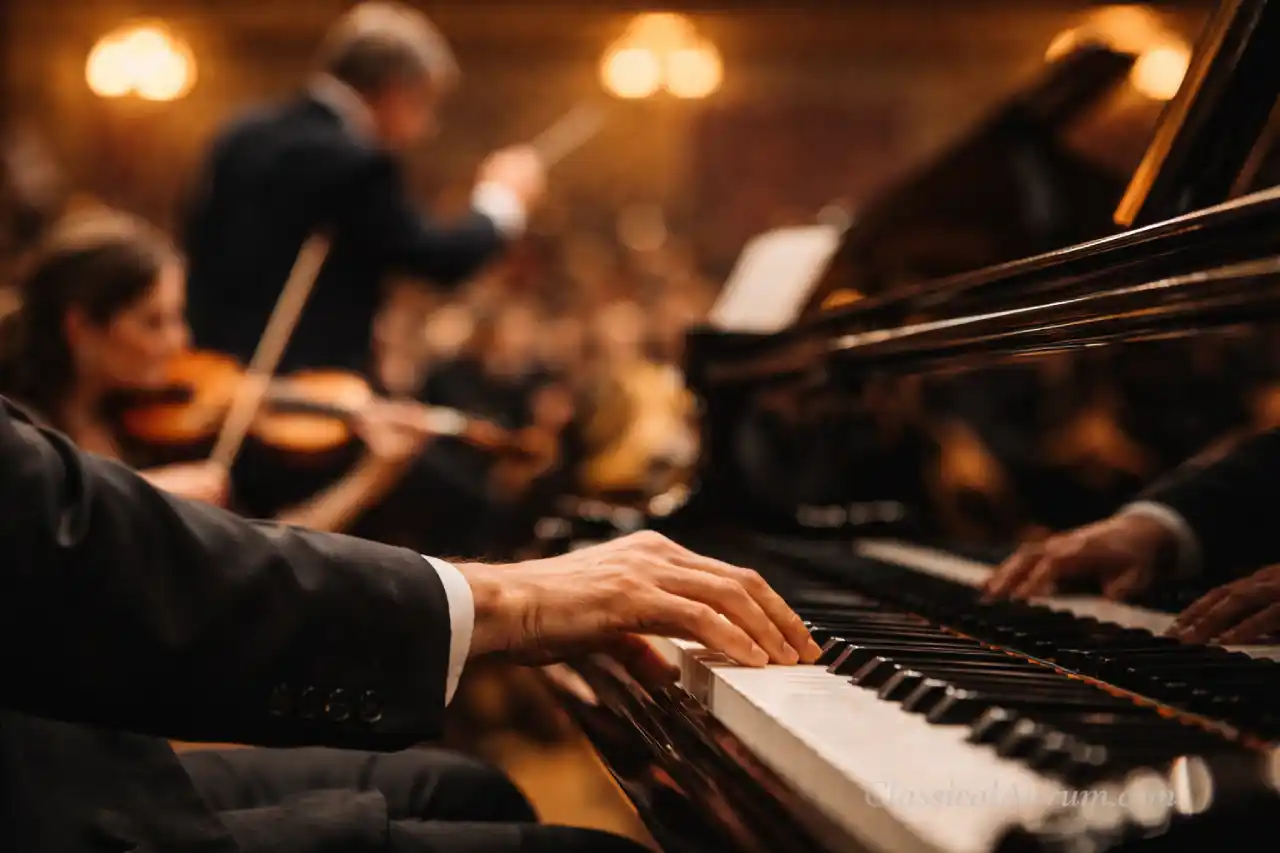
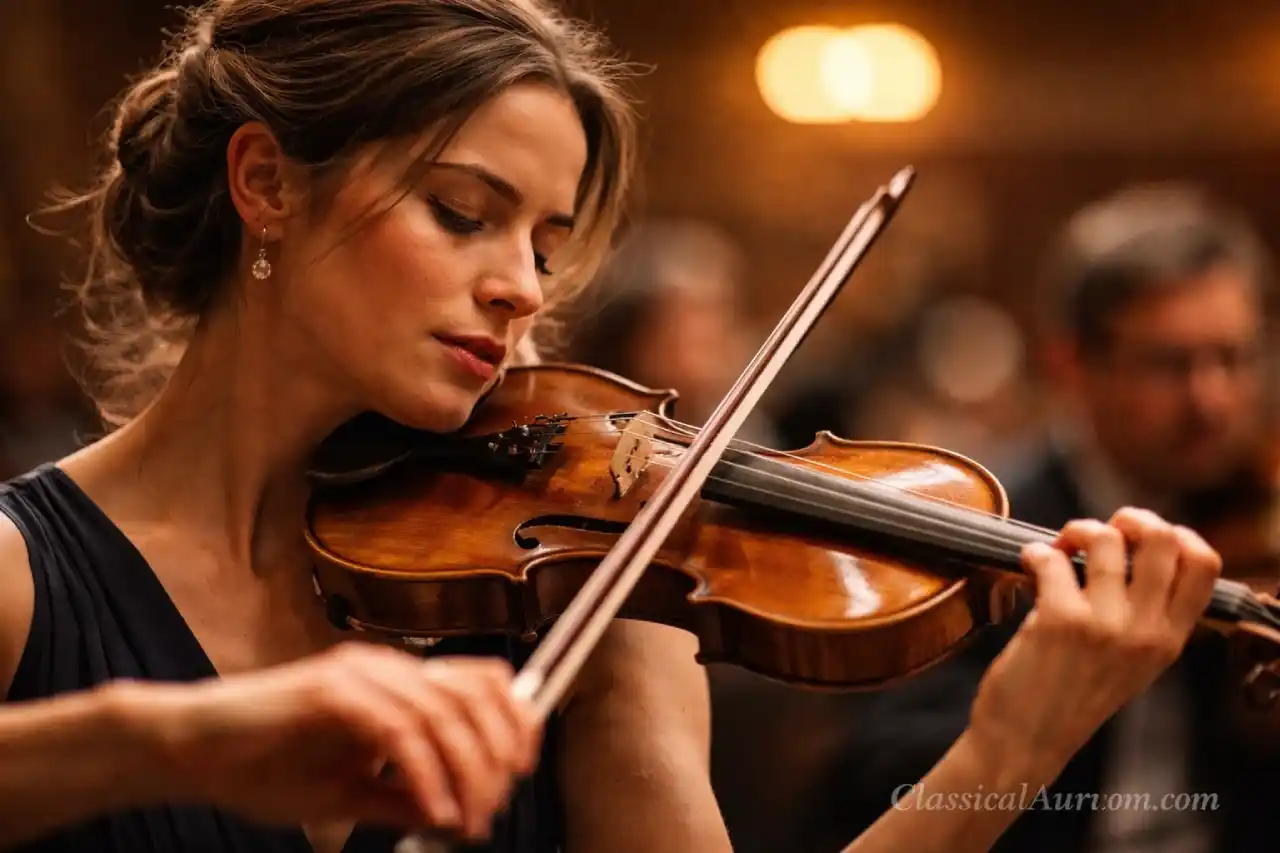
Tone production adds another layer. On a violin, the same note can sound warm, sharp, fragile, or aggressive depending on bow pressure and contact point. On a piano, touch determines whether a phrase feels percussive or singing.
These elements combine to create what listeners perceive as musical personality. Even within strict stylistic boundaries, performers imprint their identity through subtle control of sound.
Importantly, these decisions are often made in the moment. Live performance introduces spontaneity. No two performances are identical. This variability ensures that classical music remains a living art form rather than a fixed artifact.
The listener, whether consciously or not, responds to these nuances. Meaning is not only constructed by the performer but also perceived through the listener’s emotional and cognitive framework.
Historical Context and Performance Practice
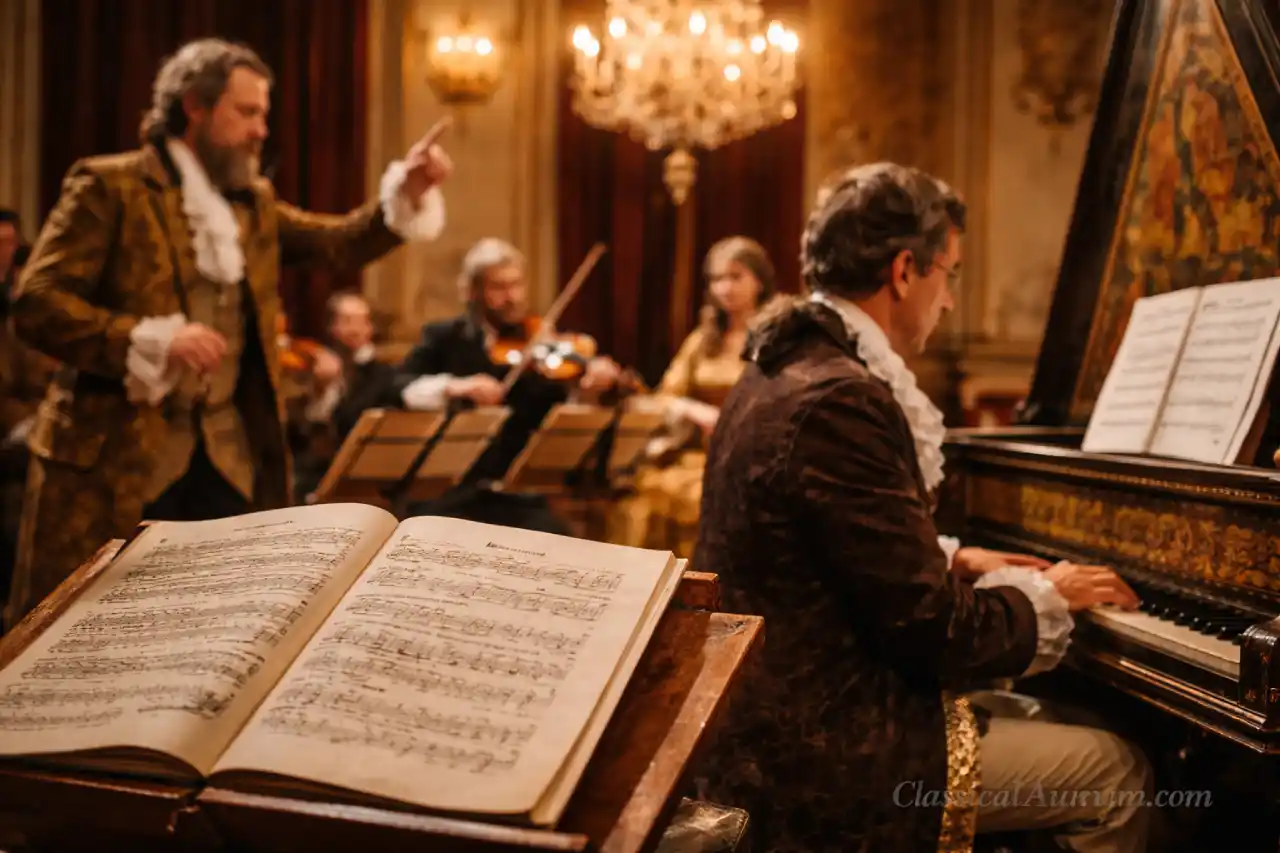
Understanding how performers shape meaning requires attention to historical performance practice. Music written in different eras carries implicit conventions that are not always explicitly notated.
Baroque music, for instance, often relies on ornamentation that performers are expected to add. A plain melodic line may be transformed into something intricate and expressive through improvisation. Without this knowledge, a performance may sound incomplete or overly rigid.
In contrast, Romantic music encourages a more personal and expansive approach. Composers like Chopin and Liszt expected performers to take expressive liberties. Rubato, dynamic contrasts, and emotional intensity are central to the style.
Modern performers must decide how closely to adhere to historical practices. Some pursue historically informed performance, using period instruments and techniques to recreate the sound world of the past. Others adopt a more contemporary approach, prioritizing modern aesthetics and audience expectations.
This choice directly influences musical meaning. A Bach piece performed on a harpsichord with minimal sustain conveys clarity and structure. The same piece on a modern piano may emphasize lyricism and emotional depth.
Thus, interpretation is not only personal but also contextual. It reflects broader questions about authenticity, tradition, and innovation.
The Role of Individual Identity and Emotion
Every performer brings a unique identity to the music. Personal experiences, cultural background, and emotional state all influence interpretation. This individuality is not a limitation but a source of richness.
A performer who has experienced loss may approach a slow movement with a different emotional weight than someone interpreting it purely from an intellectual standpoint. These differences are often subtle but deeply felt.
Emotion in performance is not simply about feeling. It involves translating internal states into controlled, communicable gestures. This requires technical mastery. Without control, emotion becomes chaotic. With control, it becomes expressive.
Listeners often connect most strongly with performances that feel authentic. Authenticity does not mean literal accuracy to the score. It means coherence between the performer’s intent and the resulting sound.
This is why certain interpretations become iconic. They resonate not only because they are technically excellent but because they convey a compelling emotional narrative.
The performer, in this sense, becomes a storyteller. Score provides the script, but the delivery shapes the story’s meaning.
The Interaction Between Performer, Space, and Audience
Musical meaning is not created in isolation. It emerges through interaction between the performer, the acoustic space, and the audience.
A concert hall with rich reverberation encourages sustained, legato playing. A dry acoustic demands clarity and precision. Performers adjust their interpretation accordingly. The same piece can sound dramatically different depending on the environment.
Audience presence also influences performance. Energy flows between performer and listeners. A responsive audience can inspire greater intensity and risk-taking. A disengaged audience may lead to a more restrained approach.
This interaction creates a feedback loop. The performer shapes the music, the audience reacts, and that reaction influences the performer in real time. Meaning becomes a shared experience.
Recording technology alters this dynamic. In a studio, the absence of an audience allows for perfection and control. However, it may reduce spontaneity. Live recordings often capture a sense of immediacy that studio recordings cannot replicate.
Both contexts have value. They represent different ways of shaping musical meaning.
Interpretation in the Modern Era: Technology and Global Influence
In the modern era, performers operate within a globalized and technologically advanced environment. Recordings allow listeners to compare interpretations from different artists, eras, and traditions.
This accessibility has raised expectations. Performers are aware that their interpretations will be analyzed and compared. This can lead to greater precision but also to increased pressure.
Technology also enables new forms of interpretation. Digital instruments, amplification, and multimedia elements expand the possibilities of performance. While these innovations may challenge traditional norms, they also open new pathways for meaning.
Globalization introduces diverse perspectives. Performers from different cultural backgrounds bring unique sensibilities to the repertoire. This diversity enriches the interpretive landscape.
At the same time, there is a risk of homogenization. Standardized training and widespread recordings can lead to similar interpretive approaches. The challenge for modern performers is to maintain individuality within this global context.
The future of classical performance will likely involve a balance between tradition and innovation. Performers will continue to reinterpret the past while engaging with contemporary realities.
Conclusion: The Performer as Creator of Meaning
The idea that performers merely reproduce a composer’s intentions is fundamentally incomplete. In reality, performers are co-creators of musical meaning.
Through timing, dynamics, tone, historical awareness, and personal expression, they transform static notation into a living experience. Each performance is an act of interpretation, shaped by context, identity, and interaction.
This process ensures that classical music remains relevant. Works composed centuries ago continue to evolve because performers bring new perspectives to them.
For listeners, this means that music is never fixed. It is always open to reinterpretation. Each performance offers a new way of understanding the same work.
In the world of Classical Aurum, where tradition meets refined artistic exploration, the performer stands at the center of this transformation. They are not just interpreters. They are architects of meaning, shaping how music is felt, understood, and remembered.
About the Author
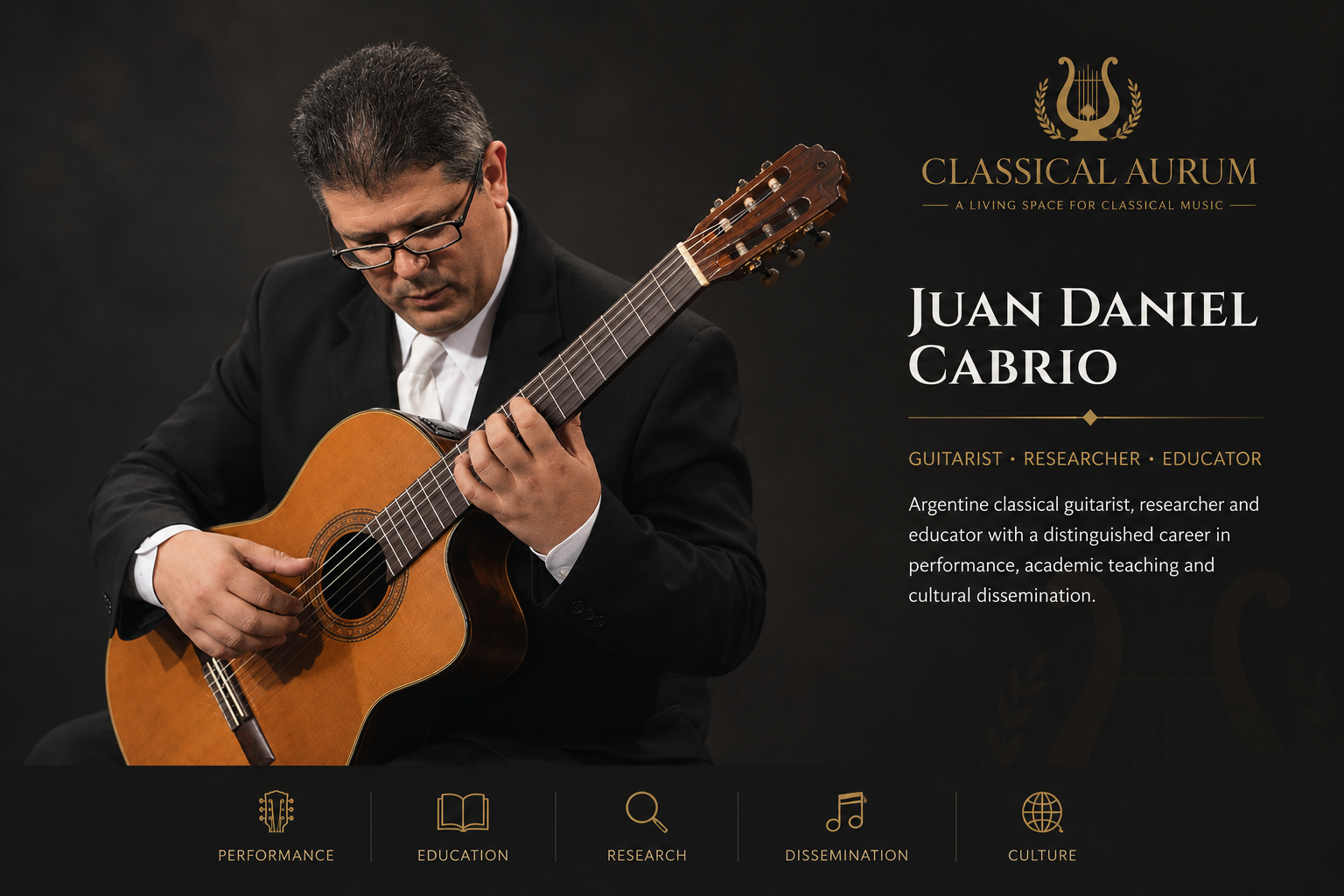
Juan Daniel Cabrio
Argentine Classical Guitarist · Researcher · Educator
Juan Daniel Cabrio is an Argentine classical guitarist, researcher and educator. Founder of Classical Aurum, he shares educational and cultural content about classical music, composers, instruments, repertoire, music history and performance practice.
View full biography