



Nationalism in Classical Music
Nationalism in Classical Music
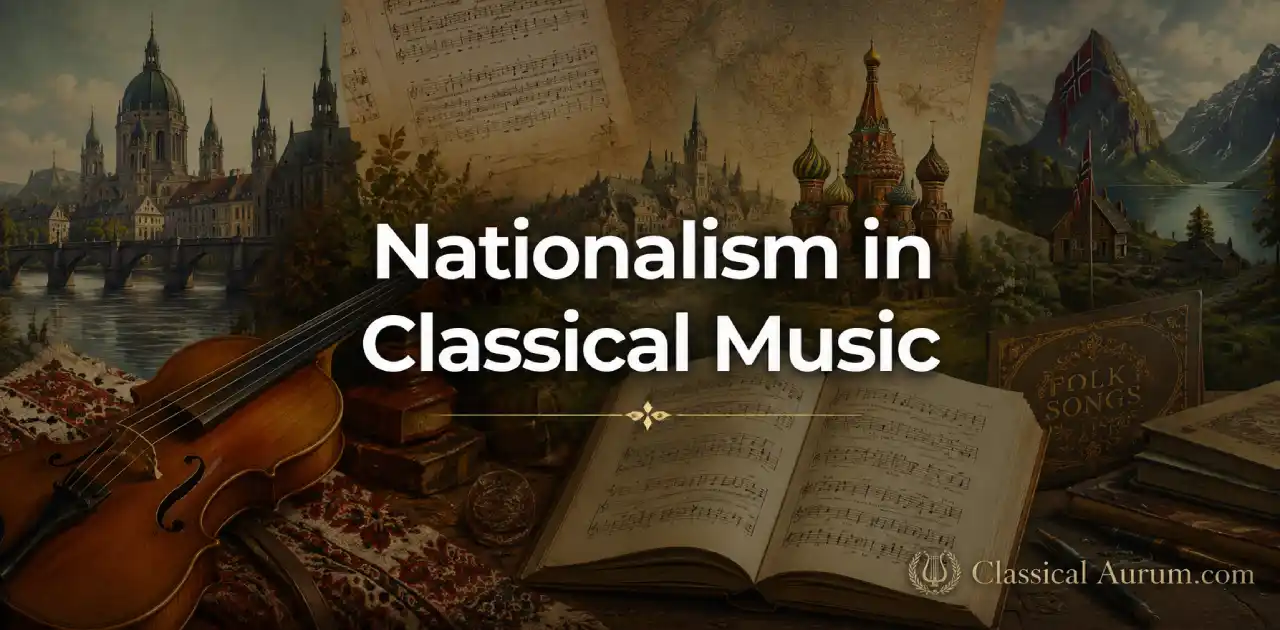
Nationalism in classical music became one of the most influential artistic movements of the nineteenth century. As political borders changed and cultural identities strengthened across Europe, composers increasingly turned to their own traditions, languages, legends, and folk melodies to create music that reflected the spirit of their nations.
For many composers, music became more than entertainment. It served as a cultural statement and a way to preserve traditions that distinguished one people from another. The rise of nationalism transformed the sound of classical music and contributed to the creation of some of the most beloved works in the repertoire.
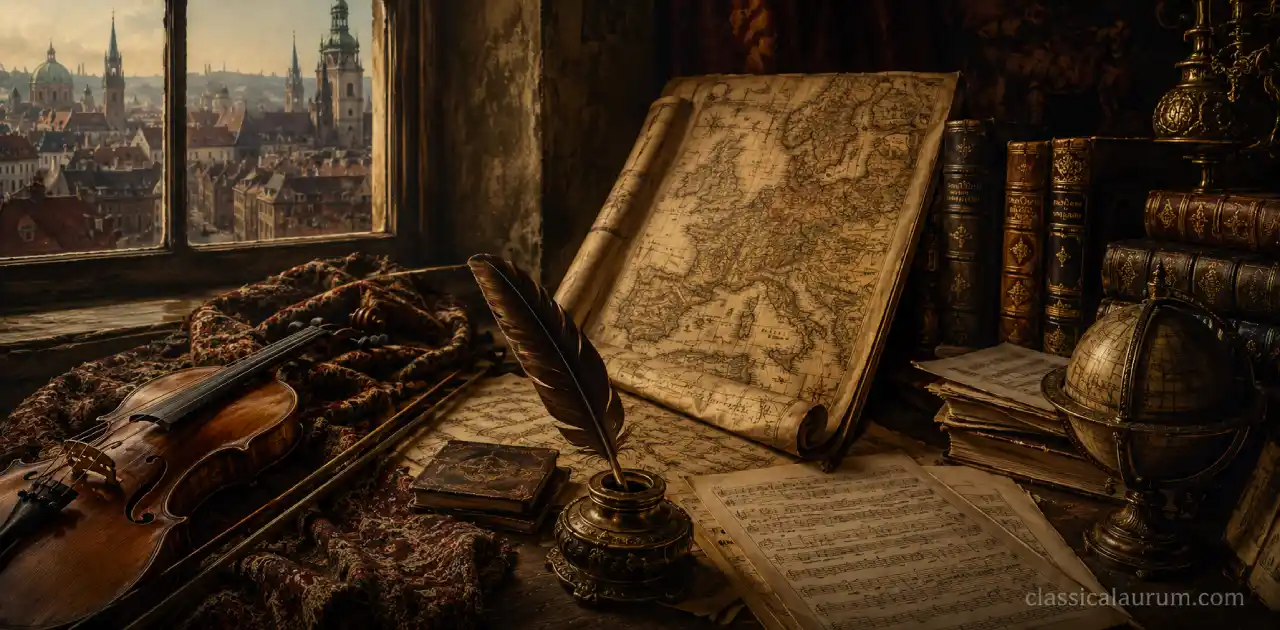
The Historical Background of Musical Nationalism
During the eighteenth century, much European music followed international styles dominated by Italian opera and German instrumental traditions. Composers often worked for courts or aristocratic patrons and adapted their music to cosmopolitan tastes.
Related: Folk Roots in Art Music
The nineteenth century brought dramatic political changes. Revolutions, independence movements, and the decline of empires encouraged many societies to search for their own cultural identity. Romanticism, with its emphasis on emotion and history, provided the perfect environment for nationalist ideas to flourish.
Related: The Evolution of the Symphony
Composers began looking beyond established traditions. Instead of imitating foreign models, they sought inspiration in local legends, traditional dances, native languages, and folk songs. Music became a powerful expression of collective memory and national pride.
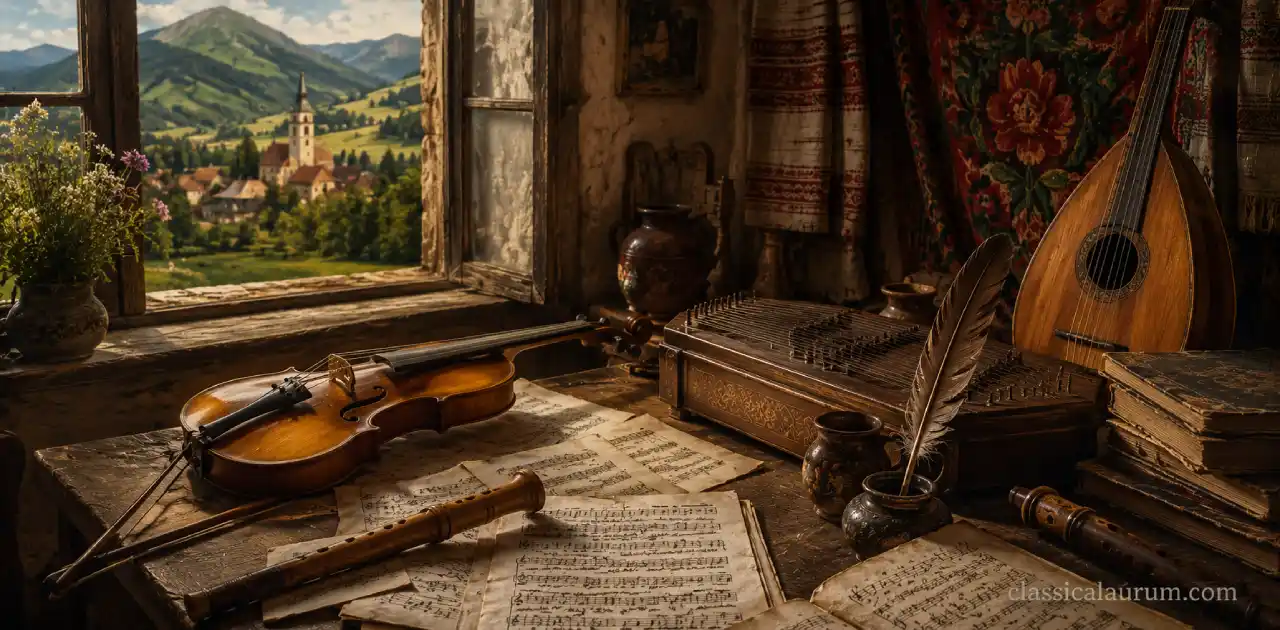
Folk Music as a Source of Inspiration
One of the defining characteristics of nationalism in classical music was the incorporation of folk elements. Traditional melodies, rhythms, and dance forms provided composers with material that felt authentic and closely connected to their communities.
Related: Haydn, Mozart, and the Birth of the Symphony
Many composers traveled through rural regions collecting songs that had been transmitted orally for generations. These melodies preserved ancient traditions and often contained distinctive scales, harmonies, and rhythms that differed from mainstream European styles.
Folk influences appeared in various ways. Some composers quoted original melodies directly, while others created entirely new themes inspired by traditional music. This approach allowed them to combine artistic sophistication with cultural authenticity.
The result was a remarkable diversity of musical languages. Audiences could recognize national characteristics while still enjoying works that belonged to the broader classical tradition.
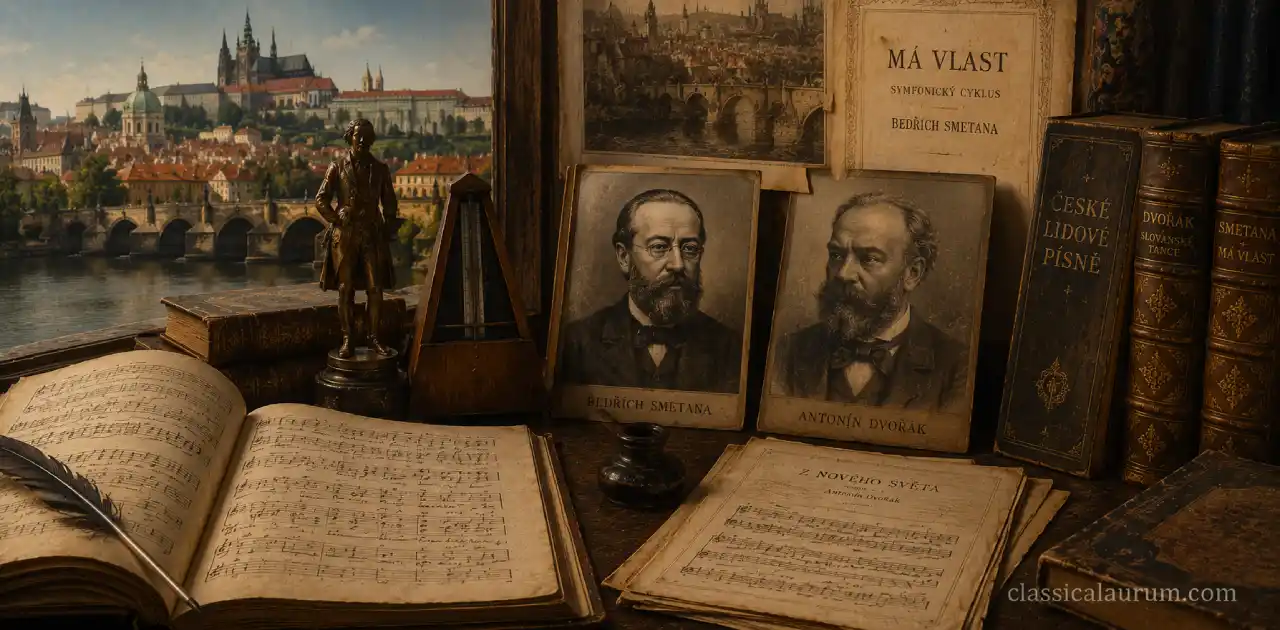
The Czech National School
Bohemia became one of the most important centers of musical nationalism. During the nineteenth century, Czech intellectuals and artists sought to affirm their cultural identity within the Austrian Empire.
Bedřich Smetana emerged as a leading figure of Czech nationalism. His cycle of symphonic poems Má vlast celebrated the landscapes, legends, and history of his homeland. The famous movement The Moldau depicts the course of the Vltava River and remains one of the most recognizable examples of program music.
Antonín Dvořák continued this tradition by integrating Czech folk rhythms and dances into his compositions. Works such as the Slavonic Dances demonstrated how national elements could appeal to international audiences.
Dvořák’s music showed that local traditions could possess universal significance. His success inspired many composers from smaller nations to explore their own cultural heritage.
Russian Nationalism and The Mighty Five
Russia developed a distinctive nationalist movement that rejected excessive dependence on Western European models. A group of composers known as The Mighty Five played a central role in this transformation.
The group included Mily Balakirev, César Cui, Modest Mussorgsky, Alexander Borodin, and Nikolai Rimsky-Korsakov. Their objective was to create a uniquely Russian musical language rooted in history, folklore, and Orthodox traditions.
Mussorgsky’s opera Boris Godunov explored Russian history with extraordinary realism. Borodin incorporated oriental influences and folk melodies into his orchestral works. Rimsky-Korsakov became famous for his colorful orchestration and fairy-tale subjects.
Their efforts helped establish a national repertoire that differed significantly from German and Italian traditions. Russian music eventually became one of the most influential schools of the late Romantic period.
Scandinavian and Northern European Traditions
Nationalism also flourished in Northern Europe. Countries such as Norway and Finland used music to reinforce cultural independence and preserve regional traditions.
Edvard Grieg became the musical voice of Norway. His piano pieces and orchestral works often reflected Norwegian dances and folk melodies. The music for Peer Gynt introduced audiences around the world to Scandinavian musical colors.
In Finland, Jean Sibelius emerged as a symbol of national identity during a period of Russian political domination. Works such as Finlandia acquired enormous patriotic significance and strengthened Finnish cultural consciousness.
These composers demonstrated that music could represent landscapes, myths, and historical experiences unique to each nation. Their works remain closely associated with the identities of their respective countries.
Spanish Nationalism and the Rediscovery of Tradition
Spain experienced its own nationalist revival during the late nineteenth and early twentieth centuries. Composers sought inspiration in regional dances, guitar traditions, and popular songs.
Isaac Albéniz incorporated Spanish rhythms and colors into piano works that evoke different regions of the country. Enrique Granados explored themes inspired by Spanish history and art.
Manuel de Falla combined folk traditions with modern techniques. His ballets and orchestral works captured the atmosphere of Andalusia while maintaining refined compositional craftsmanship.
Spanish nationalism helped introduce elements previously associated with popular culture into concert halls. The guitar, flamenco rhythms, and regional traditions gained new artistic prestige through these composers.
Nationalism Beyond Europe
The influence of nationalism eventually extended beyond Europe. Composers in the Americas sought to define musical identities that reflected their own societies rather than European traditions alone.
In the United States, composers explored indigenous melodies, African American spirituals, and local folk traditions. In Latin America, musicians integrated native rhythms and regional dances into concert music.
Brazilian composer Heitor Villa-Lobos became one of the most significant examples of musical nationalism outside Europe. His works combined European techniques with Brazilian folk influences, creating a distinctive artistic language.
Nationalism encouraged composers around the world to value their own cultural heritage. This process contributed to the globalization of classical music and expanded its stylistic diversity.
The Legacy of Nationalism in Classical Music
The nationalist movement transformed classical music permanently. Before the nineteenth century, many compositions shared similar stylistic characteristics regardless of their place of origin. Nationalism introduced greater diversity and encouraged the preservation of local traditions.
Many masterpieces that audiences cherish today emerged from this movement. Symphonies, operas, ballets, and chamber works acquired deeper connections with history and collective identity.
Modern composers continue to draw inspiration from their cultural roots. Even in an increasingly interconnected world, the desire to express national and regional identities remains an important creative force.
Nationalism in classical music demonstrated that artistic excellence and cultural individuality could coexist. By embracing their traditions, composers enriched the entire classical repertoire and ensured that the voices of different nations would continue to resonate across generations.
Today, listeners can travel through diverse cultures simply by exploring the music of different countries. This extraordinary legacy remains one of the greatest achievements in the history of Western music and an essential chapter in the story of classical art.