


Sections of the Symphony Orchestra
The Orchestra as a Living System
The symphony orchestra is not merely a group of musicians. It is a living, breathing organism of sound, carefully structured to achieve balance, depth, and emotional power. Understanding the sections of the symphony orchestra reveals how composers—from Ludwig van Beethoven to Gustav Mahler—shape sonic landscapes that resonate across centuries.
At its core, the orchestra is divided into four primary sections: strings, woodwinds, brass, and percussion. Each section contributes a unique tonal identity, yet all must work together under the guidance of the conductor to create unity.
This structure did not emerge overnight. It evolved through centuries, reaching maturity during the Classical and Romantic periods. The result is a system that allows composers to manipulate texture, color, and dynamics with extraordinary precision.
Strings: The Emotional Foundation
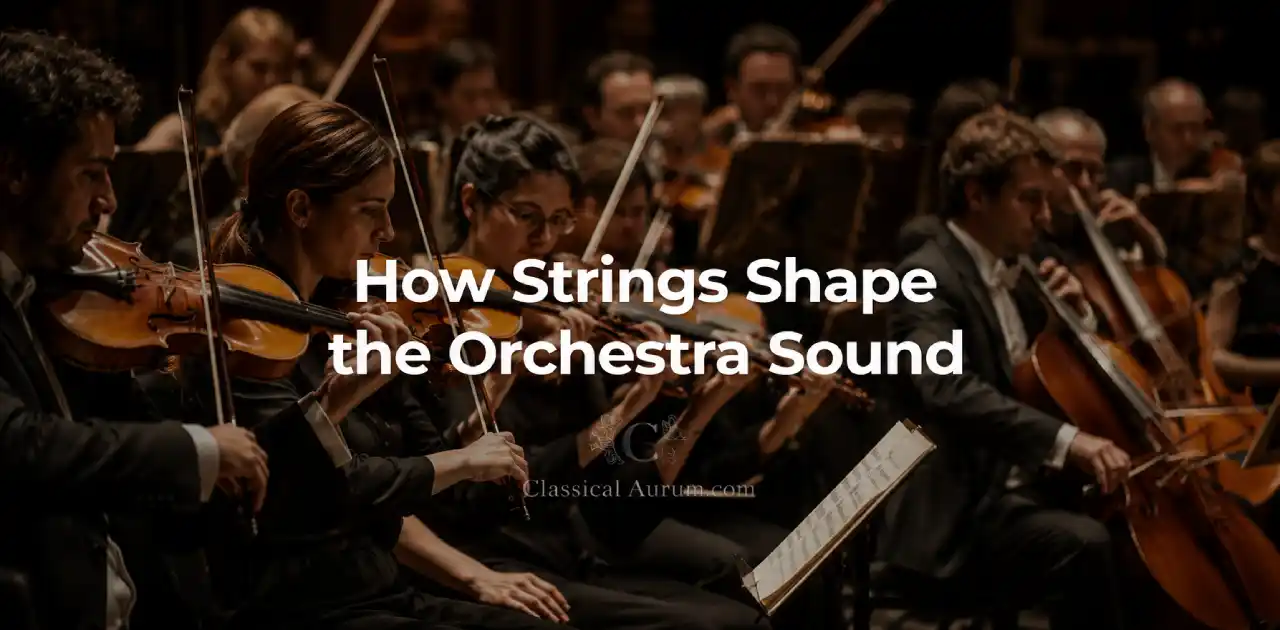
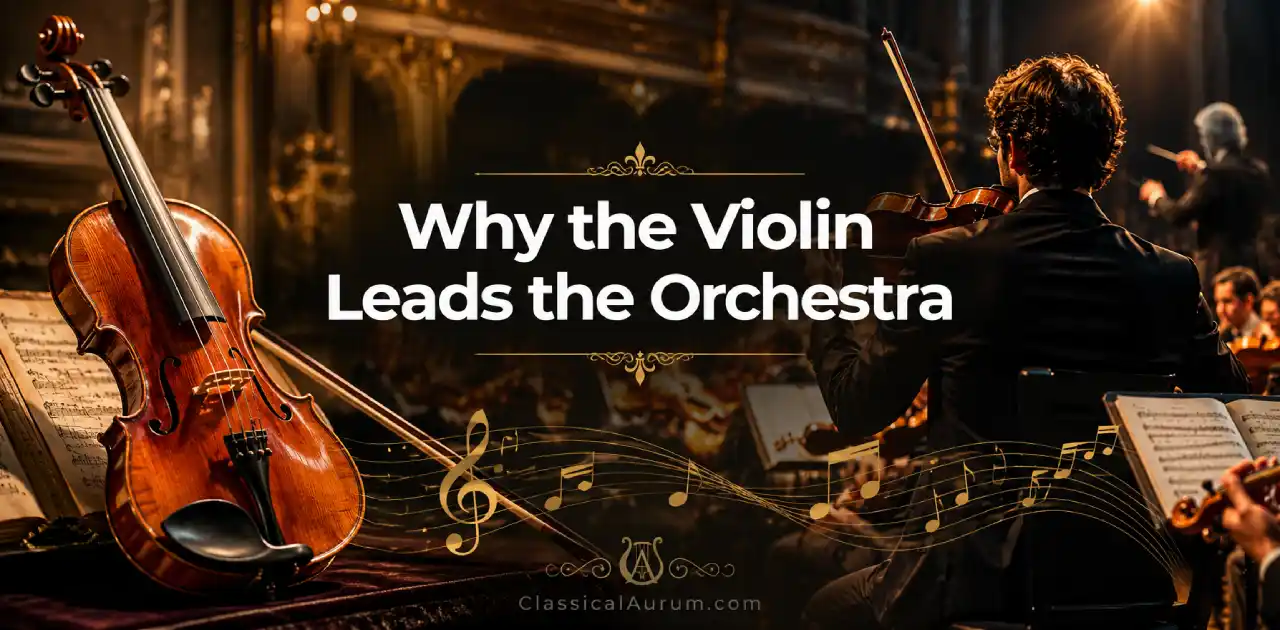
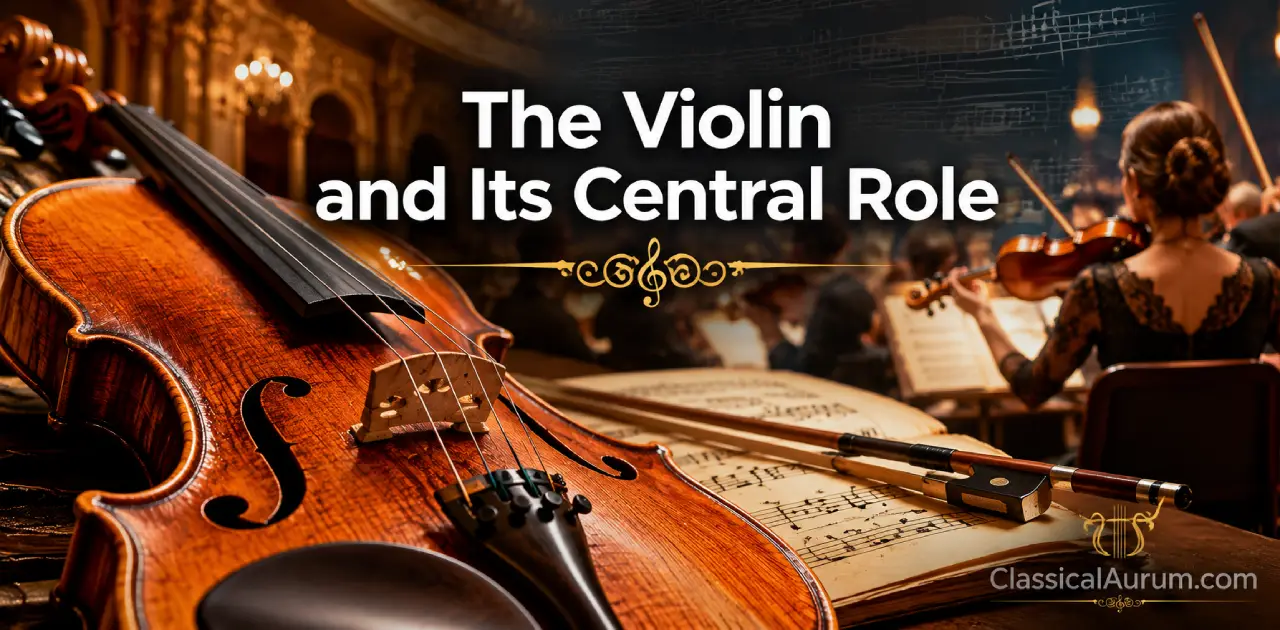
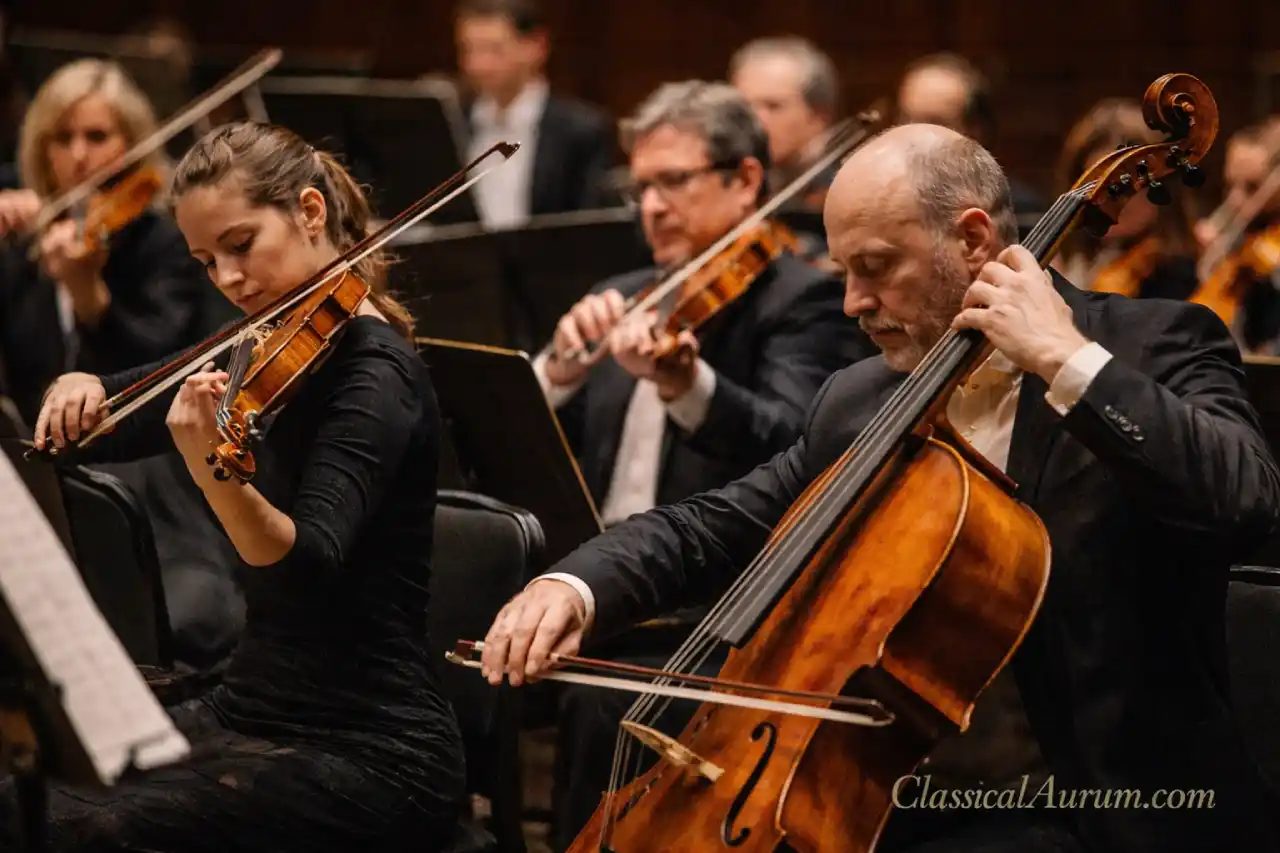
The string section is the heart of the orchestra. It is the largest group and often carries the main melodic material. Its expressive range—from delicate whispers to powerful climaxes—makes it indispensable.
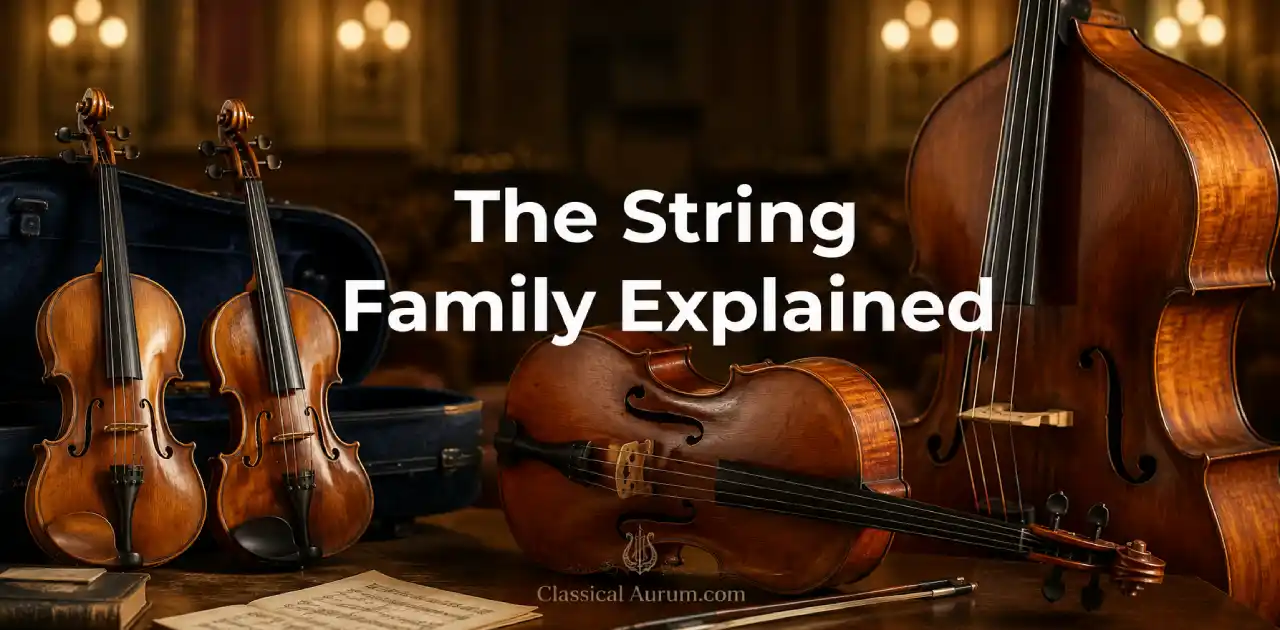
The section includes:
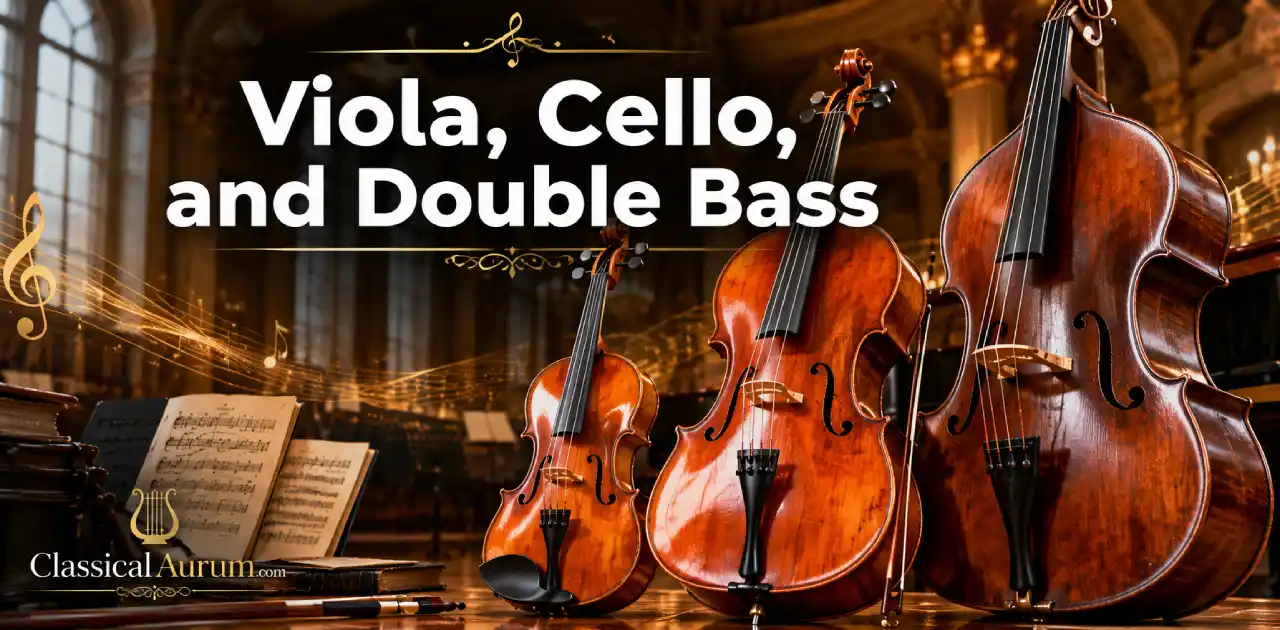
- Violins (first and second)
- Violas
- Cellos
- Double basses
Violins frequently lead the melodic line, while violas and cellos provide harmonic depth. Double basses anchor the sound with low-frequency resonance.
What makes strings unique is their continuous tone production. Unlike wind instruments, which depend on breath, strings can sustain sound indefinitely with the bow. This allows for seamless phrasing and emotional continuity.
Composers like Johannes Brahms used the string section to create rich harmonic textures, while others exploited its ability for subtle color shifts. Techniques such as pizzicato, tremolo, and legato expand the expressive palette even further.
In essence, the strings are the emotional voice of the orchestra—capable of intimacy, tension, and grandeur.
Woodwinds: Color and Character
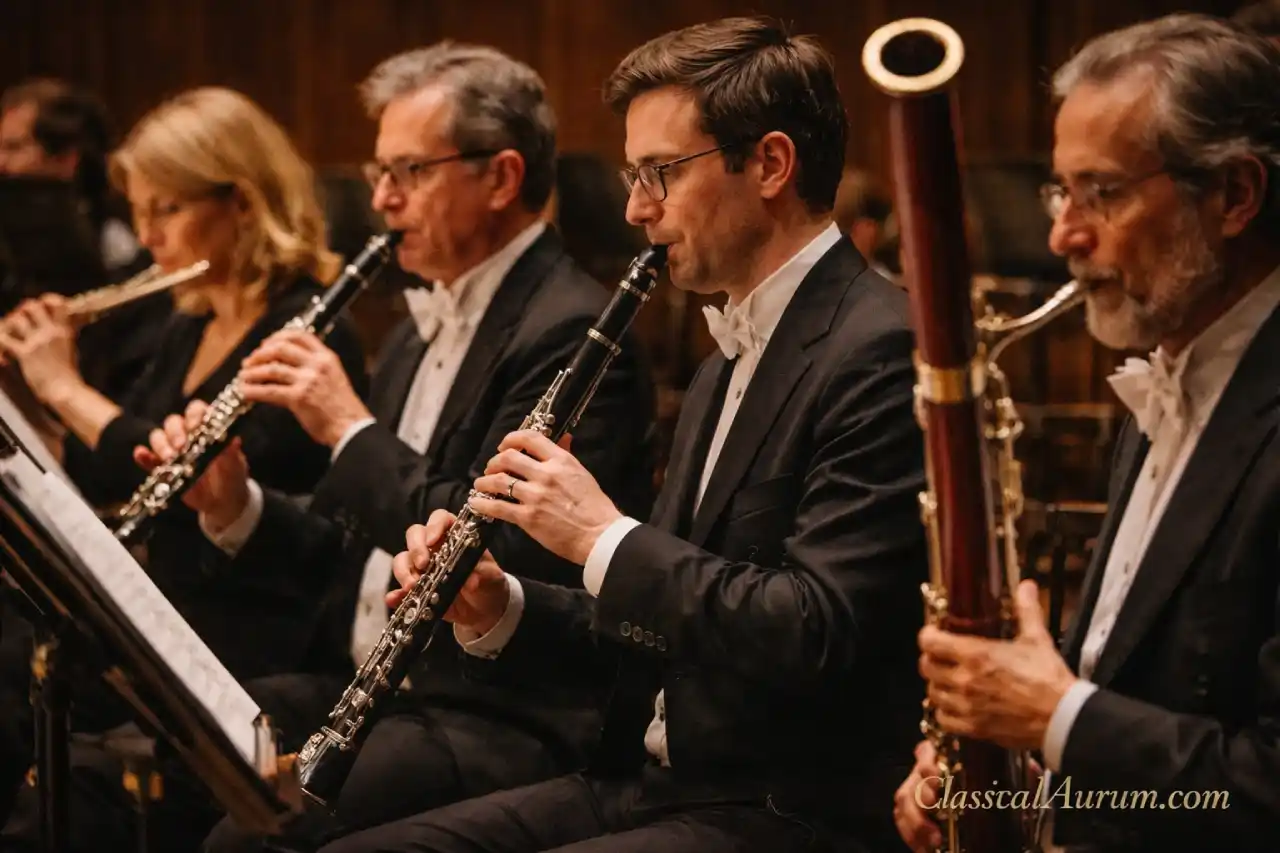
The woodwind section adds nuance and personality to the orchestral sound. It typically includes:
- Flute
- Oboe
- Clarinet
- Bassoon
Each instrument possesses a distinct timbre. The flute offers brightness and lightness, while the oboe introduces a nasal, expressive tone often used for lyrical solos. The clarinet is highly versatile, capable of warmth and agility, and the bassoon provides depth with a touch of humor or melancholy.
Unlike the strings, woodwinds often play soloistic roles. A single oboe or clarinet line can stand out against the entire orchestra, creating moments of contrast and intimacy.
Composers such as Wolfgang Amadeus Mozart elevated woodwinds to a central role, giving them melodic prominence and independence.
The woodwinds function as the orchestra’s color palette, painting sonic details that define mood and atmosphere. Without them, orchestral music would lose much of its subtlety and expressive diversity.
Brass: Power and Majesty
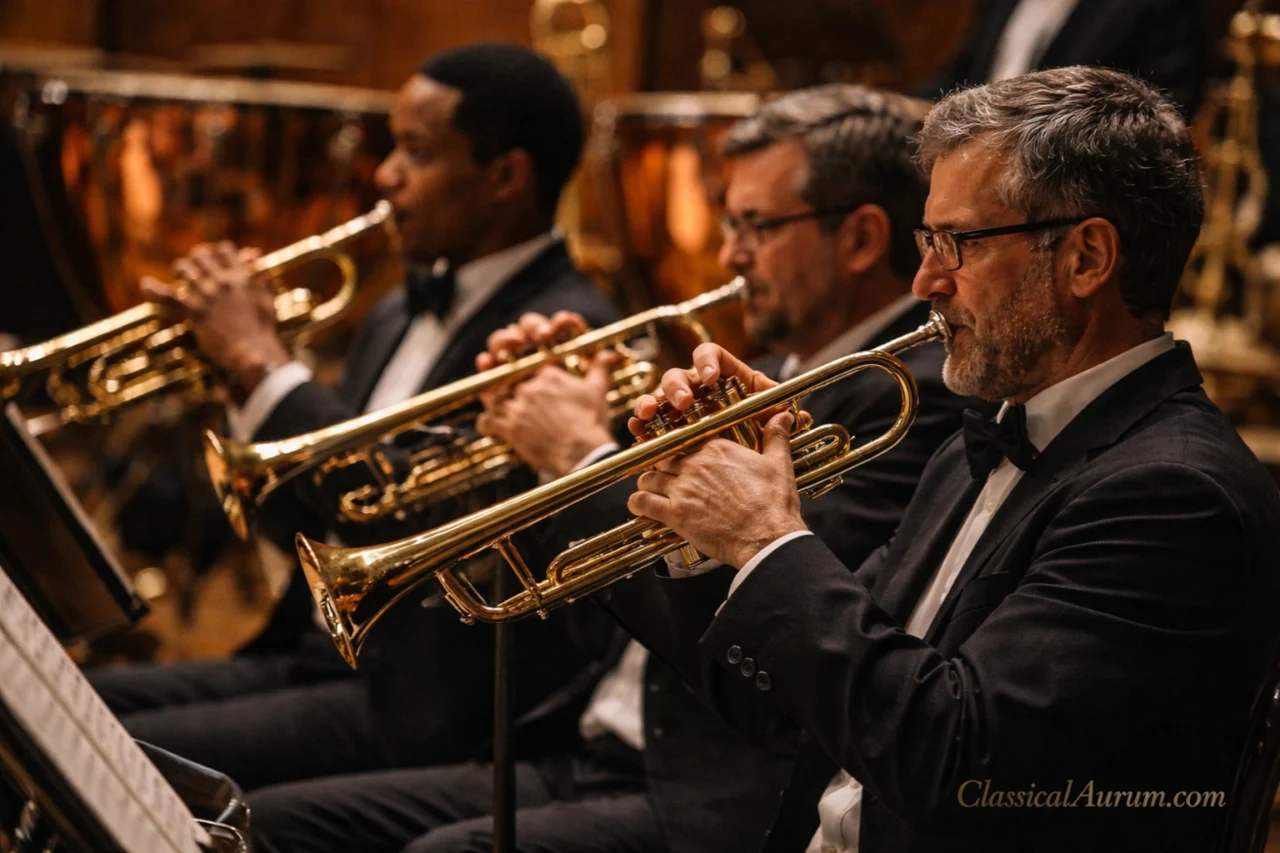
The brass section is associated with strength, brilliance, and authority. It typically includes:
- Trumpets
- French horns
- Trombones
- Tuba
Brass instruments produce sound through the vibration of the player’s lips, resulting in a bold and resonant tone. They are often used to highlight climactic moments or to convey grandeur.
The French horn stands out for its blend of warmth and nobility, often bridging the gap between brass and woodwinds. Trumpets bring clarity and brilliance, while trombones and tuba add depth and weight.
In the hands of composers like Richard Wagner, the brass section became a symbol of epic storytelling. Wagner expanded its role dramatically, using it to create monumental sonic structures.
However, brass is not limited to loud passages. When played softly, it can produce haunting and lyrical tones, adding unexpected emotional layers.
The brass section is the orchestra’s voice of power, but also its hidden source of warmth and resonance.
Percussion: Rhythm and Impact
The percussion section provides rhythm, texture, and dramatic emphasis. It includes a wide variety of instruments, such as:
- Timpani
- Snare drum
- Bass drum
- Cymbals
- Triangle
- Mallet instruments (xylophone, glockenspiel)
Percussion instruments are unique because they do not always produce pitched notes. Instead, they shape the temporal structure of the music and highlight key moments.
The timpani, however, are an exception. They are tuned and often play harmonic roles, reinforcing the orchestra’s tonal foundation.
Composers use percussion to create contrast and intensity. A sudden cymbal crash can transform a musical phrase, while a soft triangle can add a shimmering texture.
In modern orchestration, percussion has become increasingly important. It expands the sonic possibilities and introduces new colors and rhythmic complexity.
This section acts as the orchestra’s heartbeat, driving momentum and enhancing dramatic expression.
The Role of the Conductor
While each section has its own identity, the orchestra functions as a unified whole under the leadership of the conductor.
The conductor is responsible for:
- Coordinating tempo
- Shaping dynamics
- Balancing sections
- Interpreting the score
Through gestures and visual cues, the conductor ensures that every musician contributes to a cohesive performance.
Historically, conductors became essential as orchestras grew larger and compositions more complex. Today, they serve as the interpretive bridge between composer and audience.
Without this central figure, the intricate interplay between sections would collapse into disorder.
Balance and Orchestration: The Art Behind the Sound
The true magic of the orchestra lies in orchestration—the art of assigning musical material to different instruments.
A composer must consider:
- Volume balance
- Tone color combinations
- Register (high vs. low sounds)
- Spatial distribution
For example, pairing a flute with violins creates a light texture, while combining trombones and double basses produces a powerful foundation.
Great composers understood how to blend sections seamlessly or contrast them for dramatic effect. This balance is what gives orchestral music its depth and richness.
In works by Claude Debussy, orchestration becomes almost impressionistic, focusing on color and atmosphere rather than traditional structure.
Orchestration transforms the orchestra into a dynamic sound architecture, capable of infinite variation.
Evolution of the Symphony Orchestra
The modern orchestra is the result of centuries of evolution. Early ensembles in the Baroque era were smaller and less standardized.
During the Classical period, composers like Joseph Haydn established the basic structure we recognize today. The Romantic era expanded it further, adding more instruments and increasing expressive possibilities.
In the 20th century, composers experimented with unconventional instruments and new techniques, pushing the boundaries of orchestral sound.
Despite these changes, the core sections—strings, woodwinds, brass, and percussion—remain the foundation. They provide a stable framework that continues to support innovation.
Why Understanding Orchestra Sections Matters
For listeners, understanding the sections of the symphony orchestra enhances the listening experience.
It allows you to:
- Identify instruments and textures
- Appreciate compositional techniques
- Recognize thematic development
- Experience music more deeply
Instead of hearing a single mass of sound, you begin to perceive layers and interactions.
For musicians and composers, this knowledge is essential. It informs performance, arrangement, and creative decisions.
Ultimately, the orchestra is not just a collection of instruments. It is a system of relationships, where each section plays a vital role in shaping the whole.

About the Author
Juan Daniel Cabrio is a classical guitarist, graduate of the National Conservatory of Music in Argentina, performer, arranger, and researcher dedicated to the study and dissemination of classical music and its history.
Throughout his career, he has presented numerous concerts featuring his own transcriptions and interpretations, with a special focus on the classical guitar repertoire and the musical traditions of different periods.
Through Classical Aurum, he shares educational and cultural content about composers, instruments, music history, theory, repertoire, and performance practice, with the aim of bringing classical music closer to a wider audience.
Classical Aurum is an independent editorial project devoted to preserving and promoting the heritage of classical music through articles, research, and educational resources for musicians, students, and music lovers around the world.
Explore more Classical Aurum articles related to this topic.